
Polynucleotides Treatment Explained
01The Science of DNA Skin Regeneration
Polynucleotide therapy is rooted in regenerative sciencenot just aesthetic correction. It delivers DNA building blocks that act as messengers, encouraging skin cells to:
Repair environmental and age-related damage
Stimulate new blood vessel formation (angiogenesis)
Produce collagen and elastin for improved structure
Enhance hydration and skin metabolism
The DNA fragments used in this treatment are often sourced from purified salmon DNA, chosen for its compatibility and effectiveness in supporting human skin regeneration. Once injected, they integrate into the surrounding tissue and promote true skin revitalisation, not temporary filling.
02Where Polynucleotides Can Be Used
Polynucleotides are suitable for any area of the skin showing signs of ageing, dullness, or weakened structure. They are particularly effective in delicate or challenging areas:
Full Face Regeneration
Ideal for patients with uneven texture, fine lines, dull tone, or early loss of firmness. Polynucleotides work gradually to rebuild dermal quality, offering natural enhancement that evolves over weeks.
Periorbital Area (Under-Eyes)
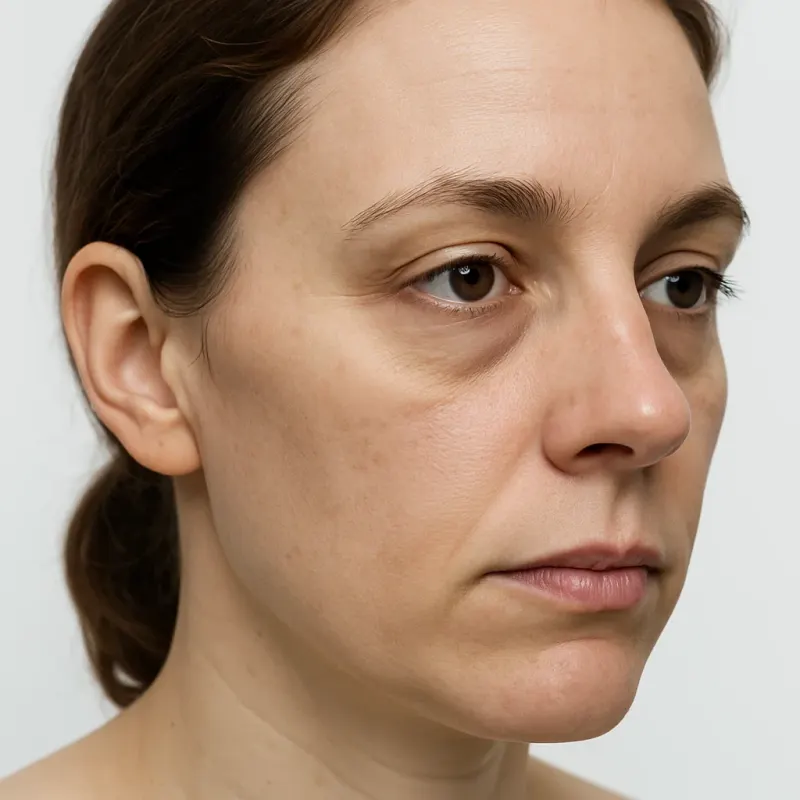
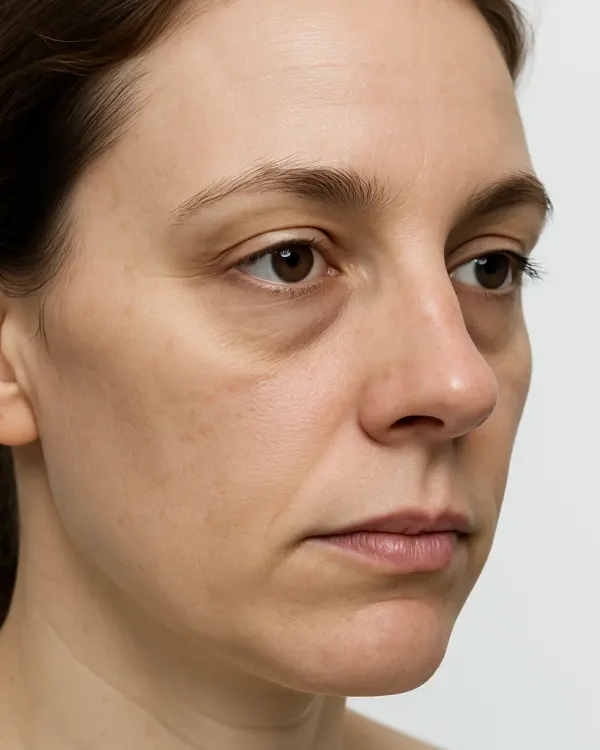
Thin, fragile under-eye skin benefits significantly from this regenerative approach. Treatment helps reduce crepiness, fine lines, and dull tone in a way that traditional fillers cannot.
Neck & Décolletage
Polynucleotides support improved elasticity and hydration in these delicate areas, often neglected but prone to early signs of ageing.
03Advanced Injection Techniques
For best results, Polynucleotides require careful placement at the right depth and diffusion pattern. Treatments at our clinic are delivered using micro-injection protocols that:
Distribute the product evenly across the targeted area
Minimise trauma and downtime
Encourage optimal integration with the surrounding tissue
Injection patterns are selected based on anatomical knowledge and the specific needs of your skin, whether it’s crepiness under the eyes, poor texture on the neck, or general dullness across the face.
04Gradual, Natural-Looking Results
Polynucleotide treatments are designed for progressive skin renewal, not instant transformation. This makes them ideal for individuals seeking long-term improvements in skin health and resilience.
You can expect:
Weeks 2–4: Smoother texture, improved hydration
Weeks 4–8: Firmer skin, brighter tone
Weeks 8–16: Visible regeneration and glow, with fewer fine lines and greater skin density
Because the treatment supports natural skin behaviour, the results look and feel authentic, never artificial or overfilled.
05Sustaining Results Through Maintenance
A typical course involves 3 sessions spaced 2 to 3 weeks apart, depending on the area and condition of the skin. Results can last 6 to 9 months or more, especially when supported by an effective skincare regimen.
Maintenance sessions can be performed biannually or as part of a tailored aesthetic plan, helping preserve long-term skin vitality and collagen density.
06Combining Polynucleotides with Other Treatments
Polynucleotides are highly versatile and pair beautifully with other skin therapies. They are often integrated into broader treatment programmes, including:
Skin boosters like Profhilo or Belotero Revive
Botulinum toxin for fine line prevention
Microneedling or mesotherapy for added stimulation
Light energy devices to complement cell turnover
Because Polynucleotides work beneath the surface, they enhance rather than compete with other treatments, often leading to better overall skin outcomes.
07Ideal Candidates for Polynucleotides
This regenerative therapy is suitable for both men and women who want to:
Improve texture, tone, and skin quality
Strengthen fragile or environmentally damaged skin
Treat hard-to-fill areas like under the eyes or neck
Avoid volume-heavy fillers or aggressive resurfacing
Support long-term skin health with minimal downtime
It is also an excellent option for younger patients beginning preventative skin care, and for mature skin in need of biological support rather than surface-level correction.