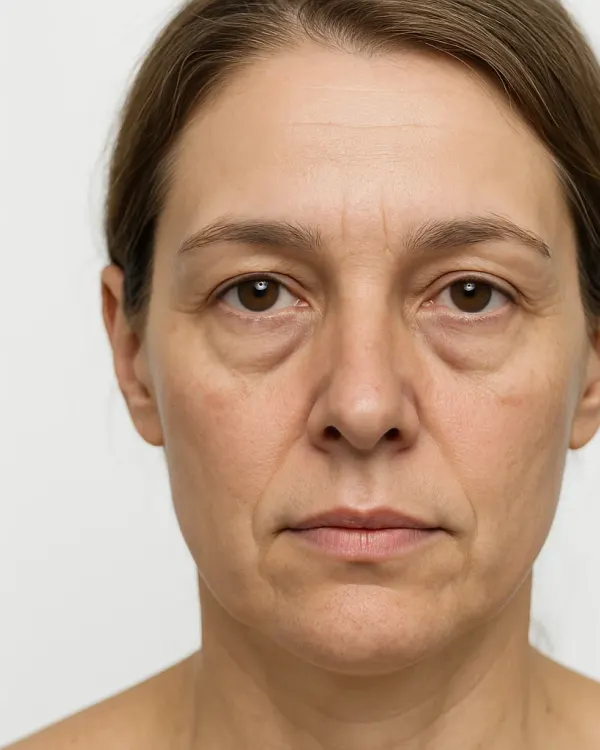
Tear Trough Treatment Explained
01Periorbital Anatomy and Why It Matters
The eye area is one of the most complex regions of the face. It involves a combination of delicate muscles, blood vessels, lymphatic channels, and orbital fat pads, all layered beneath some of the thinnest skin on the body.
Safe and successful treatment depends on:
Understanding the relationship between bone structure, soft tissue, and overlying skin
Identifying where volume loss or displacement has occurred
Avoiding vascular and lymphatic structures to minimise swelling and bruising
Choosing the right depth and technique for filler placement
A precise, anatomical approach is essential to restore natural contours and avoid an overfilled or uneven result.
02Treatment Approach and Technique
Every tear trough treatment begins with a careful, in-depth assessment of the under-eye and mid-face area. Since tear trough concerns often result from more than just localised volume loss, we evaluate how other facial features, like cheek support, affect the appearance of the eye area.
The consultation includes:
Assessing skin quality and pigmentation
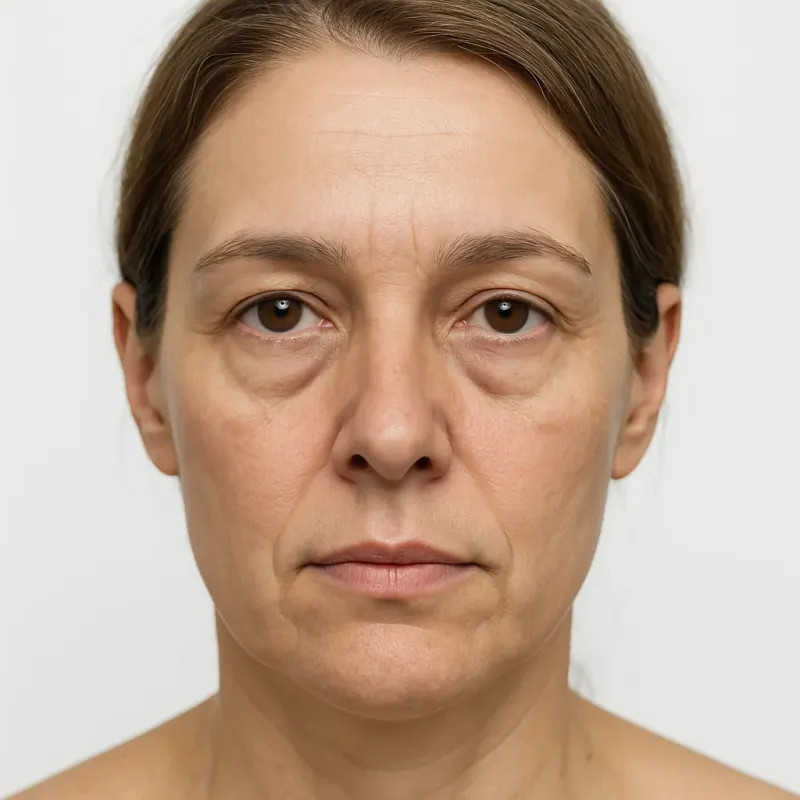
Evaluating hollow depth, fat pad positioning, and overall eye shape
Analysing the role of lighting and shadow in perceived tiredness
Considering mid-face volume to ensure appropriate support beneath the tear trough
The goal is to treat the cause, not just the symptom, so that results are subtle, flattering, and balanced.
03Filler Selection and Injection Technique
We use Teosyal Redensity II, a hyaluronic acid-based filler specifically designed for the periorbital area. Its lightweight consistency, added antioxidants, and low hydrophilicity make it ideal for treating thin-skinned, hollowed areas without creating puffiness or unnatural bulges.
Our injection technique includes:
Use of a micro-cannula to reduce trauma, swelling, and bruising
Supraperiosteal placement, placing filler just above the bone for optimal support
Minimal product volume with a conservative, layered approach to avoid overcorrection
Gentle integration, using soft massage only when needed to smooth and blend
The goal is to lift and soften, never to overfill or distort. You’ll look rested, not ‘done’.
04Advanced Safety Protocols
Treating the tear trough requires strict adherence to advanced safety measures due to its proximity to sensitive anatomical structures. Our clinic follows meticulous safety protocols throughout.
Key safety considerations include:
In-depth knowledge of periorbital vascular structures to reduce risk of complications
Thorough pre-treatment consultation and informed consent process
Use of the safest available injection tools (e.g. blunt-tip cannulas)
Continuous visual assessment during treatment to monitor for rare adverse events
Aftercare support and follow-up for all patients
Safety is never compromised, and every step is designed to keep you informed, comfortable, and confident in your results.
05What You Can Expect from Treatment
A brighter, smoother under-eye area with reduced shadows
Immediate visual improvement, with results continuing to settle over 1 to 2 weeks
Minimal downtime, typically just light swelling for 24 to 48 hours
Results lasting 9 to 12 months, depending on metabolism and skin condition
Natural expression and facial movement maintained
Most patients feel they look more rested and alert, often receiving compliments without anyone suspecting they’ve had treatment.