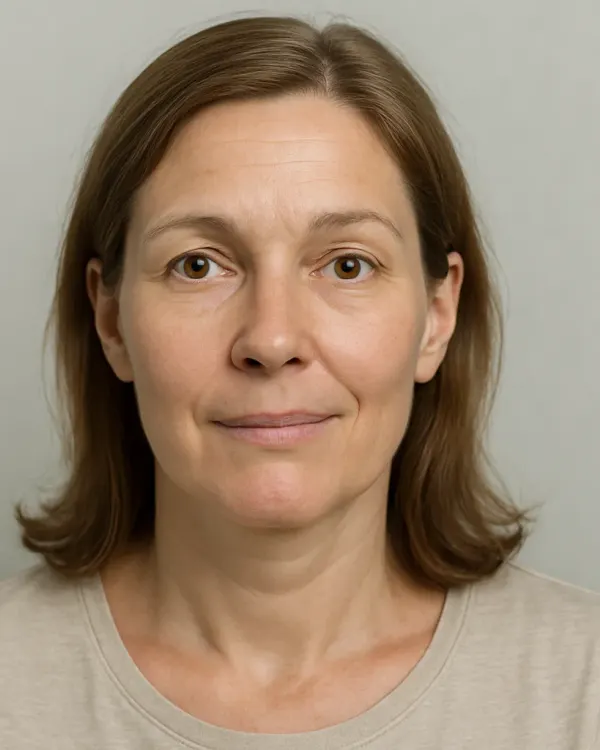
Bell’s Palsy Treatment Explained
01How the Facial Nerve Affects Movement
The facial nerve controls every muscle of expression, from smiling and blinking to subtle emotional cues. When disrupted, even temporarily, the effects can be profound. Bell’s palsy interrupts this control, and although most nerves regenerate, the process can sometimes lead to complications like:
Synkinesis (unwanted movements)
Muscle tightness or twitching
Persistent asymmetry
Overcompensation from the unaffected side
Dr. Harry’s deep knowledge of facial nerve pathways enables precise treatment that supports natural regeneration while reducing the impact of complications. Timing is critical, and a tailored plan ensures treatment is delivered when it can offer the greatest benefit.
02A Personalised Treatment Approach
Each patient presents differently, some with ongoing tightness, others with involuntary movements or emotional frustration around facial asymmetry. Dr. Harry’s process begins with a full consultation and recovery phase assessment.
Recovery Phase Assessment
This includes:
Mapping current muscle activity on both sides of the face
Identifying any signs of synkinesis or overactivity
Assessing smile symmetry, eyelid function, and dynamic movement
By understanding the recovery timeline and compensatory patterns, Dr. Harry creates a treatment plan that supports muscle balance and appearance, without interfering with ongoing nerve healing.
03Strategic Botulinum Toxin Use
Botulinum toxin can play a powerful therapeutic role in Bell’s palsy recovery, but only when applied with medical precision. Depending on the individual’s presentation, treatment may involve:
Relaxing overactive muscles on the unaffected side to restore symmetry
Targeting specific areas of the affected side to relieve synkinesis
Calming unwanted tension without freezing natural expression
Dr. Harry tailors every treatment to ensure subtle, harmonious outcomes. His method doesn’t “freeze” the face, instead, it restores a softer, more balanced appearance while preserving authentic expression.
04Addressing Synkinesis
Synkinesis is a common but frustrating outcome of nerve regeneration. It causes muscles to move involuntarily, for example, the eye may close when smiling, or the mouth may twitch when blinking. These movements can interfere with daily life and add emotional distress.
Dr. Harry’s targeted approach:
Identifies specific synkinetic patterns through facial mapping
Uses low-dose, high-precision botulinum toxin to retrain muscle response
Reduces unwanted contractions while preserving key movements
Treatment is always gradual and conservative to avoid weakening essential expression. The goal is control, not paralysis.
05Functional and Aesthetic Benefits
Bell’s palsy therapy is about more than aesthetics. It can restore freedom in everyday actions and rebuild confidence in social interaction.
Functional Improvements:
Easier, more natural speaking and eating
Reduced facial fatigue from muscular imbalance
Improved control over blinking, smiling, and expressions
Aesthetic Enhancements:
Better alignment of eyebrows, mouth corners, and eye aperture
A softer, more symmetrical appearance at rest and in motion
Reduced appearance of facial tightness or asymmetry
Together, these improvements allow patients to reconnect with their expressions, and with themselves.
06Multidisciplinary Support
Many patients benefit from an integrated recovery plan. Dr. Harry collaborates with:
Physiotherapists to support neuromuscular retraining
Speech therapists for facial articulation and oral function
Neurologists or GPs when additional diagnostics or medical support is needed
This collaborative care ensures that every aspect of your recovery, from movement to confidence, is supported by professionals who understand both the science and the human experience of healing.
07Timing and Maintenance
Timing is key. Some patients benefit from treatment early in the recovery journey, while others benefit later, once healing has stabilised but asymmetry or synkinesis remain.
Initial treatments are spaced conservatively to avoid overcorrection
Follow-ups are scheduled every 3 to 6 months based on muscle response
Adjustments are made gradually to support continued nerve recovery
Dr. Harry’s care plans evolve with you, adapting as your movement, comfort, and appearance change over time.