
- Home
- Blog
- Forehead & Brow
- Forehead Anatomy & Ageing: Understanding Your Upper Face
Forehead Anatomy & Ageing: Understanding Your Upper Face
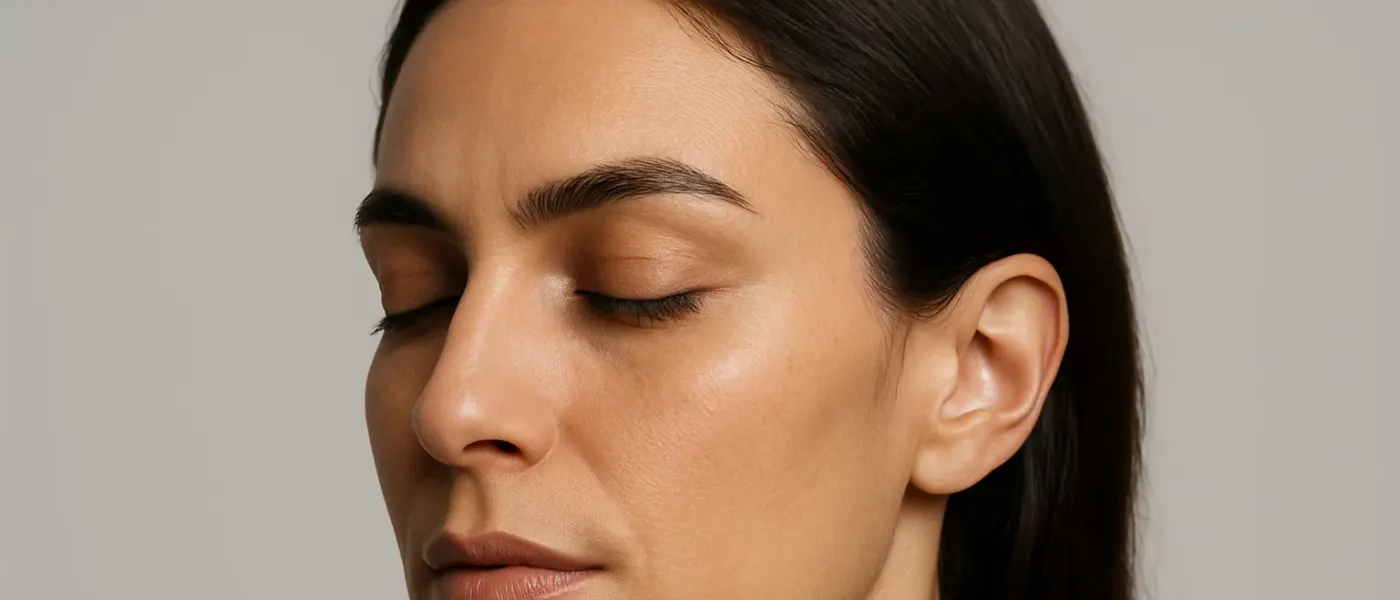
The forehead represents one of the most prominent and expressive areas of the face, playing a crucial role in facial communication, emotional expression, and overall aesthetic harmony. Understanding the complex anatomy of the forehead and how it changes with ageing is essential for both patients considering aesthetic treatments and practitioners developing effective treatment strategies for upper facial rejuvenation.
The forehead’s unique anatomical structure, combining multiple muscle groups, varied skin thickness, and complex innervation patterns, creates both opportunities and challenges for aesthetic enhancement. The dynamic nature of this region, constantly moving with facial expressions and emotional responses, requires sophisticated understanding of how treatments interact with natural facial movement and expression.
Ageing changes in the forehead occur through multiple mechanisms, including muscle hyperactivity, volume loss, skin quality deterioration, and gravitational effects. These changes often begin earlier than in other facial areas due to the constant muscular activity and sun exposure that characterise the upper face, making the forehead a primary area of concern for many patients seeking aesthetic improvement.
The psychological impact of forehead ageing extends beyond simple aesthetic concerns, as this region plays a crucial role in facial expression and communication. Changes in forehead appearance can affect how others perceive our emotions, energy levels, and overall vitality, making effective treatment of this area particularly important for maintaining confident social and professional interactions.
Modern aesthetic medicine offers sophisticated approaches to forehead rejuvenation that address both the functional and aesthetic aspects of ageing in this region. Understanding the anatomical basis for these treatments enables informed decision-making and realistic expectation-setting for patients considering upper facial enhancement procedures.
Anatomical Foundation of the Forehead
Muscular Architecture and Function
The forehead’s muscular architecture represents a complex system of interconnected muscles that work together to create the wide range of expressions and movements characteristic of the upper face. Understanding this muscular system is crucial for effective aesthetic treatment planning and achieving natural-looking results that preserve facial expression.
The frontalis muscle forms the primary muscular component of the forehead, consisting of paired muscle bellies that extend from the eyebrows to the hairline. This muscle lacks bony attachments at its superior aspect, instead blending with the galea aponeurotica, a fibrous layer that connects to the occipital muscles at the back of the head.
The frontalis muscle’s primary function involves elevation of the eyebrows and creation of horizontal forehead lines during expressions of surprise, concern, or concentration. The muscle works in coordination with other facial muscles to create complex expressions and maintain the position of the eyebrows during various facial movements.
The corrugator supercilii muscles, located deep to the frontalis and orbicularis oculi muscles, originate from the medial aspect of the superciliary arch and insert into the skin of the medial eyebrow region. These muscles create the vertical lines between the eyebrows during frowning or concentration, contributing to the formation of glabellar lines.
The procerus muscle, positioned at the root of the nose between the eyebrows, works in conjunction with the corrugator muscles to create expressions of displeasure or concentration. This small but significant muscle contributes to the formation of horizontal lines across the nasal root and vertical lines in the glabellar region.
The orbicularis oculi muscle, whilst primarily associated with the eye area, has superior fibres that interact with the forehead muscles and contribute to the formation of crow’s feet and lateral eyebrow positioning. Understanding these interactions is crucial for comprehensive upper facial treatment planning.
Vascular Supply and Innervation
The forehead’s vascular supply and innervation patterns are complex and clinically significant, influencing both the safety considerations for aesthetic treatments and the healing processes that follow intervention. Understanding these anatomical relationships is essential for safe and effective treatment delivery.
The supratrochlear and supraorbital arteries provide the primary vascular supply to the forehead, arising from the ophthalmic artery and emerging through foramina or notches in the superior orbital rim. These vessels travel superiorly through the forehead tissues, providing blood supply to the skin, muscles, and deeper structures.
The superficial temporal artery contributes to lateral forehead vascularisation, with branches that anastomose with the central vascular supply to create a rich network of blood vessels throughout the forehead region. This vascular network ensures excellent healing potential but also requires careful consideration during treatment planning.
Venous drainage follows similar patterns to arterial supply, with the supratrochlear and supraorbital veins providing primary drainage pathways. The venous system includes connections to deeper venous structures, including the cavernous sinus, which has important safety implications for certain treatment approaches.
The sensory innervation of the forehead is provided primarily by branches of the trigeminal nerve, including the supratrochlear and supraorbital nerves that emerge through the same foramina as the corresponding blood vessels. These nerves provide sensation to the forehead skin and underlying tissues.
Motor innervation to the forehead muscles is provided by the facial nerve, with the temporal branch supplying the frontalis muscle and related structures. Understanding the course of this nerve is crucial for avoiding complications during aesthetic treatments and ensuring preservation of normal muscle function.
The lymphatic drainage of the forehead follows predictable patterns that influence post-treatment swelling and healing. The lymphatic vessels drain primarily to the preauricular and submandibular lymph nodes, with some drainage to the deep cervical chain.
Skin Characteristics and Tissue Layers
The forehead skin exhibits unique characteristics that influence both the ageing process and the response to aesthetic treatments. Understanding these tissue properties is essential for selecting appropriate treatment approaches and predicting treatment outcomes.
Skin thickness in the forehead varies significantly between individuals and between different areas within the forehead itself. Generally, the skin is thicker in the central forehead and becomes progressively thinner towards the temporal regions and hairline, influencing treatment planning and product selection.
The subcutaneous tissue layer in the forehead is relatively thin compared to other facial areas, with less adipose tissue providing cushioning between the skin and underlying muscle. This characteristic contributes to the early appearance of expression lines and influences the choice of treatment depths and techniques.
The superficial musculoaponeurotic system (SMAS) in the forehead region is represented by the galea aponeurotica, a fibrous layer that provides structural support and serves as the insertion point for the frontalis muscle. Understanding this layer is important for comprehensive facial rejuvenation approaches.
Collagen and elastin distribution in forehead skin follows patterns that influence ageing characteristics and treatment responses. The forehead typically shows early signs of photoageing due to sun exposure, with changes in collagen structure contributing to the formation of fine lines and texture changes.
The forehead’s sebaceous gland distribution affects skin characteristics and healing patterns, with generally fewer sebaceous glands compared to the central face, resulting in skin that may be more prone to dryness and slower healing in some individuals.
Hair follicle distribution and characteristics in the forehead region influence treatment planning, particularly for procedures that might affect hair growth or require consideration of follicular structures during treatment delivery.
The Ageing Process in the Forehead
Dynamic Wrinkle Formation
Dynamic wrinkles in the forehead result from the repetitive contraction of facial muscles during normal expression and emotional communication. Understanding the mechanisms of dynamic wrinkle formation is crucial for developing effective treatment strategies that address both existing lines and prevent future development.
Horizontal forehead lines develop primarily from frontalis muscle activity during eyebrow elevation, expressions of surprise, or compensatory movements when upper eyelid function is compromised. These lines typically appear first in the central forehead where muscle activity is most pronounced and skin is subject to the greatest mechanical stress.
The depth and prominence of horizontal forehead lines correlate with several factors including the strength of frontalis muscle contractions, the frequency of muscle use, individual skin characteristics, and genetic predisposition to wrinkle formation. Some individuals develop prominent lines in their twenties, whilst others may not show significant lines until much later in life.
Vertical glabellar lines, commonly known as frown lines or “elevens,” result from the action of the corrugator supercilii and procerus muscles during expressions of concentration, displeasure, or intense focus. These lines often develop earlier and more prominently than horizontal forehead lines due to the frequent use of these muscles in daily expressions.
The progression of dynamic wrinkles follows predictable patterns, beginning as fine lines that appear only during muscle contraction and gradually becoming more prominent and persistent as the skin loses elasticity and the ability to return to its smooth state between expressions.
Asymmetrical wrinkle development is common in the forehead due to differences in muscle strength, habitual expressions, sleeping positions, and sun exposure patterns. Understanding these asymmetries is important for treatment planning and achieving balanced, natural-looking results.
The interaction between different muscle groups in wrinkle formation creates complex patterns that require sophisticated treatment approaches. For example, the relationship between frontalis and corrugator muscle activity can influence the overall pattern of forehead ageing and the most effective treatment strategies.
Static Changes and Volume Loss
Static changes in the forehead occur independently of muscle activity and result from intrinsic ageing processes, environmental damage, and gravitational effects. These changes often become more prominent with advancing age and require different treatment approaches compared to dynamic wrinkles.
Skin quality deterioration in the forehead manifests as changes in texture, elasticity, hydration, and overall appearance. The forehead is particularly susceptible to photoageing due to its prominent position and frequent sun exposure, leading to premature development of fine lines, pigmentation changes, and texture irregularities.
Volume loss in the forehead occurs through multiple mechanisms including fat pad atrophy, bone remodelling, and soft tissue descent. The forehead’s relatively thin soft tissue layer makes volume changes particularly noticeable and contributes to the aged appearance of the upper face.
Brow ptosis, or drooping of the eyebrows, represents a significant component of forehead ageing that affects both appearance and function. As supporting tissues weaken and volume is lost, the eyebrows descend, creating a tired or aged appearance and potentially affecting upper eyelid function.
Temporal hollowing often accompanies forehead ageing, as volume loss in the temporal fat pads creates a gaunt appearance that emphasises the skeletal structure of the upper face. This change can significantly impact overall facial harmony and youthful appearance.
Skin laxity develops as collagen and elastin fibres deteriorate, leading to loose, crepey skin that may not respond adequately to treatments targeting muscle activity alone. This laxity often requires comprehensive treatment approaches that address both skin quality and underlying structural support.
The hairline position may change with ageing due to hair loss or recession, affecting the proportions of the forehead and overall facial balance. These changes may influence treatment planning and the aesthetic goals for forehead rejuvenation.
Hormonal and Environmental Influences
The forehead ageing process is significantly influenced by hormonal changes and environmental factors that accelerate or modify the natural ageing timeline. Understanding these influences helps in developing comprehensive treatment and prevention strategies.
Hormonal changes, particularly those associated with menopause, significantly affect forehead ageing through their impact on collagen production, skin thickness, and tissue elasticity. The decline in oestrogen levels leads to accelerated skin ageing and changes in facial fat distribution that particularly affect the upper face.
Sun exposure represents the most significant environmental factor in forehead ageing, with ultraviolet radiation causing cumulative damage to collagen and elastin fibres, leading to premature wrinkle formation, pigmentation changes, and overall skin quality deterioration. The forehead’s prominent position makes it particularly vulnerable to sun damage.
Smoking accelerates forehead ageing through multiple mechanisms including reduced blood flow, increased free radical damage, and repetitive muscle movements associated with smoking behaviours. The effects of smoking on forehead ageing are often more pronounced than in other facial areas due to the region’s vascular characteristics.
Genetic factors play a significant role in determining individual patterns and timelines of forehead ageing, influencing muscle strength, skin characteristics, and susceptibility to environmental damage. Understanding genetic predisposition helps in developing personalised treatment and prevention strategies.
Sleep patterns and positions can influence forehead ageing, with certain sleeping positions contributing to the formation of sleep lines and asymmetrical ageing patterns. Side sleeping, in particular, can contribute to asymmetrical forehead changes over time.
Stress and emotional factors affect forehead ageing through their impact on muscle tension, expression patterns, and overall skin health. Chronic stress can lead to increased muscle activity and accelerated wrinkle formation in the forehead region.
Skincare habits and product use significantly influence the rate and pattern of forehead ageing, with appropriate sun protection, moisturisation, and active ingredient use helping to slow the ageing process and maintain skin quality over time.
Clinical Assessment and Treatment Planning
Comprehensive Forehead Analysis
Effective treatment of forehead ageing requires comprehensive analysis that considers all aspects of upper facial anatomy, ageing changes, and individual patient characteristics. This systematic approach ensures that treatment plans address all relevant concerns and achieve optimal, natural-looking results.
Static assessment involves evaluation of the forehead at rest, examining skin quality, texture, pigmentation, volume distribution, and overall proportions. This assessment helps identify intrinsic ageing changes that require treatment approaches beyond muscle relaxation alone.
Dynamic assessment evaluates forehead movement and expression patterns, identifying which muscles are overactive, the severity of dynamic wrinkles, and any asymmetries in muscle function or expression patterns. This assessment is crucial for planning anti-wrinkle injection treatments and predicting outcomes.
Proportional analysis considers the forehead’s relationship to other facial features, including eyebrow position, hairline location, and overall facial balance. Understanding these proportions helps ensure that treatments enhance rather than disrupt natural facial harmony.
Skin quality evaluation examines factors such as elasticity, hydration, thickness, and photodamage that influence treatment selection and expected outcomes. Different skin types and conditions may require modified treatment approaches or additional interventions.
Functional assessment considers how forehead changes affect facial expression, emotional communication, and overall facial function. Treatments should preserve natural expression whilst addressing aesthetic concerns, requiring careful balance in treatment planning.
Patient lifestyle and expectation assessment helps determine appropriate treatment goals and maintenance requirements. Understanding patient preferences, lifestyle factors, and realistic expectations is crucial for treatment success and satisfaction.
Treatment Modality Selection
The selection of appropriate treatment modalities for forehead rejuvenation depends on the specific ageing changes present, patient goals, and individual anatomical characteristics. Modern aesthetic medicine offers multiple approaches that can be used individually or in combination for optimal results.
Anti-wrinkle injections represent the gold standard treatment for dynamic forehead wrinkles, effectively reducing muscle activity and preventing the formation of expression lines. The selection of injection sites, dosages, and techniques requires detailed understanding of forehead anatomy and individual muscle patterns.
Dermal fillers may be appropriate for addressing volume loss, improving skin quality, or enhancing eyebrow position in selected patients. The choice of filler type and placement technique depends on the specific concerns being addressed and the desired outcomes.
Skin quality treatments including chemical peels, laser therapy, or bio-remodelling treatments can address texture, pigmentation, and overall skin health concerns that contribute to forehead ageing. These treatments often complement injectable approaches for comprehensive rejuvenation.
Energy-based treatments such as radiofrequency or ultrasound therapy may be beneficial for addressing skin laxity and stimulating collagen production in the forehead region. These treatments can provide gradual improvement in skin quality and tightness over time.
Surgical approaches including brow lifts or forehead lifts may be necessary for patients with significant ptosis or laxity that cannot be adequately addressed with non-surgical treatments. Understanding when to recommend surgical consultation is important for comprehensive patient care.
Combination treatment protocols often provide superior results compared to single-modality approaches, addressing multiple aspects of forehead ageing simultaneously. The sequencing and timing of different treatments requires careful planning to optimise outcomes and minimise risks.
Individualised Treatment Protocols
Developing individualised treatment protocols for forehead rejuvenation requires consideration of multiple patient-specific factors that influence treatment selection, technique modification, and expected outcomes. This personalised approach ensures optimal results whilst minimising risks and complications.
Age-related considerations influence treatment selection, with younger patients often benefiting from preventative approaches focused on muscle relaxation, whilst older patients may require comprehensive treatments addressing multiple ageing mechanisms simultaneously.
Gender differences in forehead anatomy and ageing patterns require modified treatment approaches, with male patients typically requiring different injection patterns, dosages, and aesthetic goals compared to female patients. Understanding these differences is crucial for achieving natural-looking results.
Ethnic considerations affect forehead anatomy, skin characteristics, and aesthetic preferences, requiring culturally sensitive treatment approaches that respect individual beauty ideals whilst achieving effective rejuvenation outcomes.
Occupation and lifestyle factors influence treatment planning, with patients in public-facing roles potentially requiring more conservative approaches or specific timing considerations to minimise social or professional impact during recovery periods.
Previous treatment history affects current treatment planning, with consideration of prior responses, complications, or unsatisfactory outcomes helping to guide current treatment selection and technique modification.
Medical history and contraindications must be thoroughly evaluated to ensure treatment safety and appropriateness. Certain medical conditions, medications, or allergies may influence treatment selection or require special precautions during treatment delivery.
Treatment Approaches and Techniques
Anti-Wrinkle Injection Strategies
Anti-wrinkle injections represent the most effective and widely used treatment for dynamic forehead wrinkles, offering predictable results with minimal downtime when performed by experienced practitioners. Understanding optimal injection strategies is crucial for achieving natural-looking results whilst preserving facial expression.
Frontalis muscle treatment requires careful consideration of injection sites, depths, and dosages to achieve effective wrinkle reduction whilst maintaining natural eyebrow position and expression. Over-treatment can result in brow ptosis or an unnatural, frozen appearance that patients find unacceptable.
The standard injection pattern for frontalis treatment typically involves multiple injection sites distributed across the muscle belly, with careful attention to avoiding the central lower forehead to prevent brow ptosis. The exact pattern and dosages are customised based on individual muscle anatomy and strength.
Glabellar complex treatment addresses the corrugator supercilii and procerus muscles responsible for vertical frown lines between the eyebrows. This area typically requires higher doses due to the strength of these muscles and their frequent use in daily expressions.
Injection depth considerations are crucial for optimal results and safety, with most forehead injections placed intramuscularly to achieve effective muscle relaxation whilst minimising the risk of complications such as ptosis or asymmetry.
Dosage calculations must account for individual muscle strength, previous treatment history, and desired outcomes. Starting with conservative doses and adjusting based on response is generally safer than aggressive initial treatment, particularly in treatment-naïve patients.
Combination injection strategies may involve treating multiple muscle groups simultaneously to achieve balanced, natural-looking results. The interaction between different muscle groups must be considered to avoid unintended consequences or asymmetrical outcomes.
Advanced Injection Techniques
Advanced injection techniques for forehead treatment have evolved to provide more precise, natural-looking results whilst minimising complications and optimising patient satisfaction. These techniques require extensive training and experience to perform safely and effectively.
Micro-droplet techniques involve using smaller volumes distributed across more injection sites to achieve more even muscle relaxation and natural-looking results. This approach can provide superior outcomes compared to traditional injection patterns in selected patients.
Layered injection approaches may involve treating muscles at different depths or using different concentrations to achieve graduated effects that preserve some muscle function whilst reducing excessive activity. This technique requires sophisticated understanding of muscle anatomy and function.
Asymmetry correction techniques address individual differences in muscle strength or previous treatment effects to achieve balanced, symmetrical results. These approaches may involve modified injection patterns or dosages on different sides of the face.
Preventative injection strategies focus on early intervention to prevent the formation of static wrinkles whilst maintaining natural expression. These approaches typically use lower doses and more conservative injection patterns compared to corrective treatments.
Combination product techniques may involve using different formulations or concentrations of botulinum toxin to achieve specific effects or address individual patient characteristics. Understanding the properties of different products is essential for optimal treatment selection.
Touch-up and refinement protocols enable fine-tuning of results after initial treatment, addressing any asymmetries or suboptimal outcomes through targeted additional injections. These protocols require careful timing and conservative approaches to avoid over-treatment.
Complementary Treatment Integration
Integrating complementary treatments with anti-wrinkle injections can provide comprehensive forehead rejuvenation that addresses multiple aspects of ageing whilst optimising overall outcomes. Understanding how different treatments interact and complement each other is crucial for effective treatment planning.
Dermal filler integration may involve using fillers to address volume loss, improve eyebrow position, or enhance overall forehead contours in conjunction with muscle relaxation treatments. The timing and sequencing of these treatments requires careful consideration to optimise results.
Skin quality treatments including chemical peels, laser therapy, or bio-remodelling treatments can address texture, pigmentation, and overall skin health concerns that complement the wrinkle reduction achieved with anti-wrinkle injections.
Energy-based treatments such as radiofrequency or ultrasound therapy can provide skin tightening and collagen stimulation effects that enhance and extend the benefits of injectable treatments whilst addressing concerns that injections alone cannot correct.
Skincare protocol integration ensures that patients maintain optimal skin health between treatments and may enhance treatment outcomes through improved skin quality and healing. Professional-grade skincare products can complement in-office treatments effectively.
Maintenance scheduling coordinates different treatment modalities to provide sustained results whilst optimising convenience and cost-effectiveness for patients. Understanding the longevity and interaction of different treatments enables effective maintenance planning.
Lifestyle modification recommendations including sun protection, skincare habits, and expression awareness can help extend treatment benefits and slow the progression of forehead ageing between professional treatments.
Read:
About the author
Aesthetic doctor and clinical director of Dr Harry Clinic, Chiswick and Covent Garden. ACE Group World faculty. GMC 7528423. About Dr Harry
Keep reading