- Home
- Blog
- Skin Boosters
- Advanced Skin Rejuvenation: Skin Boosters & Collagen Stimulators
Skin Boosters · Collagen Stimulators
Advanced Skin Rejuvenation: Skin Boosters & Collagen Stimulators
Introduction
The landscape of skin rejuvenation has evolved dramatically beyond traditional approaches, with innovative treatments that work at the cellular level to restore skin quality, hydration, and structural integrity. Skin boosters and collagen stimulators represent the cutting edge of non-surgical aesthetic medicine, offering profound improvements in skin texture, elasticity, and overall appearance through sophisticated biological mechanisms.
Unlike conventional dermal fillers that primarily add volume, these advanced treatments focus on improving the fundamental quality of the skin itself. They work by stimulating the body’s natural regenerative processes, encouraging the production of collagen, elastin, and hyaluronic acid, the essential components that give skin its youthful appearance and resilience.
The science behind these treatments is fascinating, involving carefully engineered products that integrate with skin tissues to promote long-term improvements. Rather than simply masking the signs of ageing, skin boosters and collagen stimulators address the underlying causes of skin deterioration, creating results that appear natural and continue to improve over time.
Understanding these advanced treatments is crucial for anyone seeking comprehensive skin rejuvenation. They offer unique benefits that complement traditional aesthetic procedures, often serving as the foundation for a complete anti-ageing strategy that addresses both structural volume loss and skin quality degradation.
Understanding Skin Ageing and Quality
The Science of Skin Deterioration
Skin ageing is a complex biological process involving multiple interconnected mechanisms that affect every layer of the skin. Understanding these processes is essential for appreciating how advanced skin rejuvenation treatments work and why they’re so effective at addressing age-related changes.
The epidermis, the outermost layer of skin, undergoes significant changes with age. Cell turnover slows dramatically, with the renewal cycle extending from approximately 28 days in young skin to 45-60 days in mature skin. This slower turnover results in a buildup of dead skin cells, creating a dull, rough texture and reducing the skin’s ability to reflect light effectively.
The dermis, where the most significant age-related changes occur, experiences progressive loss of collagen and elastin, the structural proteins that provide skin with strength, elasticity, and resilience. Collagen production begins to decline in our twenties, with losses of approximately 1% per year accelerating after menopause. This gradual depletion leads to thinning skin, reduced firmness, and the formation of wrinkles and sagging.
Hyaluronic acid, the skin’s natural moisturising factor, also decreases significantly with age. This molecule can hold up to 1,000 times its weight in water, making it crucial for maintaining skin hydration and plumpness. As hyaluronic acid levels decline, skin becomes drier, less supple, and more prone to fine lines and wrinkles.
The skin’s microcirculation also deteriorates with age, reducing the delivery of nutrients and oxygen to skin cells whilst impeding the removal of metabolic waste products. This compromised circulation contributes to a dull complexion, slower healing, and reduced responsiveness to skincare products.
Environmental factors accelerate these natural ageing processes. UV radiation from sun exposure is the primary external cause of skin ageing, breaking down collagen and elastin whilst generating free radicals that damage cellular structures. Pollution, smoking, and other environmental stressors further contribute to premature skin ageing through oxidative damage and inflammation.
The Role of the Extracellular Matrix
The extracellular matrix (ECM) is the complex network of proteins and molecules that provides structural support to skin cells and maintains tissue architecture. Understanding the ECM is crucial for appreciating how advanced skin rejuvenation treatments work to restore skin quality and function.
Collagen, the most abundant protein in the ECM, provides tensile strength and structural integrity to the skin. There are several types of collagen in the skin, with Type I being the most prevalent. As we age, not only does collagen production decrease, but the quality of newly formed collagen also deteriorates, resulting in weaker, less organised fibres that cannot adequately support the skin structure.
Elastin fibres provide the skin with elasticity and the ability to return to its original shape after stretching or compression. These fibres are particularly vulnerable to UV damage and enzymatic degradation, leading to the loss of skin elasticity and the formation of wrinkles and sagging that characterise aged skin.
Glycosaminoglycans (GAGs), including hyaluronic acid, form the ground substance of the ECM, providing hydration and creating space for cellular activities. These molecules attract and bind water, maintaining skin hydration and creating the optimal environment for cellular function and repair processes.
The ECM also contains various growth factors, cytokines, and signalling molecules that regulate cellular behaviour, including proliferation, differentiation, and matrix synthesis. As we age, the balance of these signalling molecules shifts, often favouring matrix degradation over synthesis, contributing to the progressive deterioration of skin structure and function.
Advanced skin rejuvenation treatments work by either directly supplementing ECM components or stimulating the body’s natural processes to restore ECM integrity and function. This approach addresses the fundamental causes of skin ageing rather than simply treating the visible symptoms.
Factors Affecting Skin Quality
Multiple factors influence skin quality and the rate at which ageing changes occur. Understanding these factors helps explain individual variations in skin ageing and guides treatment selection and expectations for advanced skin rejuvenation procedures.
Genetic factors play a significant role in determining skin characteristics and ageing patterns. Some individuals are genetically predisposed to maintain higher levels of collagen and hyaluronic acid production throughout life, whilst others may experience more rapid degradation of these essential components. Genetic variations also influence skin thickness, pigmentation, and sensitivity to environmental damage.
Hormonal changes, particularly those associated with menopause, have profound effects on skin quality. Oestrogen plays a crucial role in maintaining collagen synthesis and skin hydration. The dramatic decline in oestrogen levels during menopause accelerates skin ageing, leading to increased dryness, thinning, and loss of elasticity.
Lifestyle factors significantly impact skin quality and the effectiveness of rejuvenation treatments. Smoking accelerates skin ageing through multiple mechanisms, including reduced blood flow, increased free radical production, and direct toxic effects on collagen and elastin. Poor nutrition can limit the availability of essential nutrients needed for skin repair and maintenance.
Sleep quality and stress levels also affect skin health through their impact on hormone production, immune function, and cellular repair processes. Chronic stress and poor sleep can accelerate skin ageing and reduce the effectiveness of rejuvenation treatments.
Skincare habits and sun protection practices have cumulative effects on skin quality over time. Consistent use of appropriate skincare products and sun protection can slow the ageing process and enhance the results of professional treatments.
Skin Boosters: Science and Applications
Hyaluronic Acid-Based Skin Boosters
Hyaluronic acid-based skin boosters represent a revolutionary approach to skin rejuvenation, focusing on improving skin quality from within rather than simply adding volume. These treatments involve the injection of specially formulated hyaluronic acid products designed to integrate with skin tissues and provide long-lasting hydration and quality improvements.
The hyaluronic acid used in skin boosters differs significantly from that used in traditional dermal fillers. Skin booster formulations typically have lower cross-linking densities, allowing them to spread more evenly through tissues and integrate more naturally with the skin’s existing hyaluronic acid network. This integration creates a reservoir of hydration that can last for many months.
Profhilo represents one of the most innovative skin booster treatments available. This unique formulation contains both high and low molecular weight hyaluronic acid, creating a hybrid cooperative complex that provides both immediate hydration and long-term bio-remodelling effects. The treatment stimulates the production of collagen and elastin whilst providing intense hydration to improve skin quality comprehensively.
The injection technique for skin boosters is crucial for optimal results. Rather than targeting specific wrinkles or areas of volume loss, the treatment involves strategic placement of small amounts of product throughout the treatment area. This approach creates an even distribution of hydration and stimulation, resulting in overall improvement in skin quality rather than localised changes.
Skin boosters are particularly effective for addressing skin laxity, fine lines, and overall skin quality deterioration. They’re especially valuable for areas where traditional treatments may be challenging, such as the neck, décolletage, and hands. The treatments can also be used to improve skin quality before other procedures or as maintenance therapy following more intensive treatments.
The results of skin booster treatments develop gradually over several weeks as the hyaluronic acid integrates with tissues and stimulates natural processes. Patients typically notice improved skin hydration, texture, and elasticity, with effects lasting 6-9 months or longer depending on individual factors and the specific product used.
Polynucleotide Treatments
Polynucleotide treatments represent an exciting advancement in regenerative aesthetics, utilising DNA fragments to stimulate cellular repair and regeneration. These treatments work at the molecular level to promote healing, reduce inflammation, and stimulate the production of new collagen and elastin.
The polynucleotides used in aesthetic treatments are typically derived from salmon DNA, which has been shown to be highly biocompatible with human tissues. These DNA fragments act as signalling molecules, triggering cellular repair processes and promoting the regeneration of damaged tissues.
The mechanism of action involves multiple pathways. Polynucleotides can stimulate fibroblast proliferation and activity, leading to increased collagen and elastin production. They also have anti-inflammatory properties, helping to reduce chronic inflammation that contributes to skin ageing. Additionally, they can improve microcirculation, enhancing nutrient delivery and waste removal at the cellular level.
Nucleofil is one of the leading polynucleotide products, offering a unique approach to skin rejuvenation that complements traditional treatments. The treatment involves multiple small injections distributed throughout the treatment area, similar to skin booster techniques but with the added benefit of DNA-based regenerative effects.
Patients often ask how polynucleotides compare with Profhilo, since both improve skin quality without adding volume. Our guide to Profhilo vs polynucleotides sets out which skin each one suits, the course each needs and when the two are used together.
The results of polynucleotide treatments are typically subtle but progressive, with improvements continuing to develop over several months as cellular regeneration processes are stimulated. Patients often notice improved skin texture, reduced fine lines, and enhanced overall skin quality. The treatments are particularly effective for addressing sun damage, scarring, and age-related skin deterioration.
Treatment protocols typically involve a series of sessions spaced several weeks apart, allowing for optimal stimulation of regenerative processes. Maintenance treatments may be recommended to sustain the regenerative effects and continue improving skin quality over time.
Belotero Revive
Belotero Revive represents a sophisticated approach to skin quality improvement, combining hyaluronic acid with glycerol and mannitol to create a unique skin booster formulation. This combination provides both immediate hydration and long-term skin quality improvements through multiple mechanisms of action.
The hyaluronic acid component provides the primary hydrating effect, attracting and binding water to improve skin moisture levels and plumpness. The addition of glycerol, a natural humectant, enhances the hydrating properties and helps maintain moisture levels over time. Mannitol, an antioxidant, provides protection against free radical damage whilst supporting cellular function.
The treatment technique involves multiple micro-injections distributed throughout the treatment area, creating an even distribution of the product and ensuring comprehensive skin quality improvement. The injection depth is typically superficial to mid-dermal, targeting the areas where hydration and quality improvements are most needed.
Belotero Revive is particularly effective for treating areas with fine lines, rough texture, and overall quality deterioration. The treatment can be used on the face, neck, décolletage, and hands, providing versatile options for comprehensive skin rejuvenation. The results typically include improved hydration, smoother texture, and enhanced skin radiance.
The effects of Belotero Revive develop over several weeks as the product integrates with tissues and stimulates natural processes. The duration of results varies but typically lasts 4-6 months, making it an excellent option for regular maintenance therapy or as part of a comprehensive skin rejuvenation programme.
Treatment protocols may involve single sessions or a series of treatments depending on individual needs and goals. The treatment can be combined with other procedures to enhance overall results and provide comprehensive skin rejuvenation.
Collagen Stimulators: Mechanisms and Benefits
Calcium Hydroxylapatite (Radiesse)
Calcium hydroxylapatite, marketed as Radiesse, represents a unique approach to facial rejuvenation that combines immediate volume correction with long-term collagen stimulation. This innovative treatment provides both instant results and progressive improvement over time, making it particularly valuable for comprehensive facial rejuvenation.
The product consists of calcium hydroxylapatite microspheres suspended in a gel carrier. Upon injection, the gel provides immediate volume and correction, whilst the microspheres remain in the tissue to stimulate collagen production over the following months. This dual action creates results that are both immediate and long-lasting.
The calcium hydroxylapatite microspheres are biocompatible and biodegradable, gradually breaking down over 12-18 months whilst leaving behind newly formed collagen. This process, known as neocollagenesis, creates natural, long-lasting improvements in skin structure and quality that can persist well beyond the presence of the original product.
The collagen stimulation process begins within weeks of treatment as the body recognises the microspheres as foreign material and initiates a controlled inflammatory response. This response attracts fibroblasts, the cells responsible for collagen production, leading to the formation of new collagen fibres around the microspheres.
Radiesse is particularly effective for treating areas requiring both volume restoration and skin quality improvement. The treatment can address nasolababial folds, marionette lines, and other facial contours whilst simultaneously improving skin thickness and quality in the treated areas.
The injection technique for Radiesse requires careful consideration of the product’s properties and behaviour in tissues. The treatment is typically performed using a threading technique, with the product placed in the deep dermis or subcutaneous tissue depending on the specific indication and desired outcome.
Poly-L-Lactic Acid (Sculptra)
Poly-L-lactic acid, available as Sculptra, represents the ultimate in gradual, natural-looking facial rejuvenation. This unique collagen stimulator works entirely through biostimulation, providing no immediate volume but creating progressive improvements over several months as new collagen develops.
The mechanism of action involves the gradual breakdown of poly-L-lactic acid particles, which stimulates a controlled inflammatory response and attracts collagen-producing cells to the treatment area. This process results in the formation of new collagen fibres that restore volume and improve skin quality naturally.
The results of Sculptra treatment develop slowly over 3-6 months, with improvements continuing for up to two years after the final treatment session. This gradual development creates very natural-looking results that appear as if the ageing process has simply been reversed rather than artificially enhanced.
Treatment protocols typically involve a series of sessions spaced 4-6 weeks apart, allowing for optimal collagen stimulation and development. The number of sessions required depends on the degree of volume loss and the desired outcome, with most patients requiring 2-3 treatment sessions.
Sculptra is particularly effective for addressing overall facial volume loss, skin laxity, and quality deterioration. The treatment can restore youthful facial contours whilst improving skin thickness and quality throughout the treated areas. It’s especially valuable for patients seeking subtle, natural-looking improvements that develop gradually over time.
The injection technique for Sculptra involves multiple small injections distributed throughout the treatment area, followed by thorough massage to ensure even distribution of the product. Post-treatment massage is crucial for optimal results and is typically recommended for several days following each treatment session.
Combination Approaches
The most sophisticated approach to skin rejuvenation often involves combining different collagen stimulators and skin boosters to address multiple aspects of skin ageing simultaneously. These combination treatments can provide more comprehensive results than single-product approaches whilst optimising the unique benefits of each treatment modality.
Combining immediate volume correction with long-term collagen stimulation can provide both instant gratification and progressive improvement over time. For example, combining hyaluronic acid fillers for immediate volume with collagen stimulators for long-term improvement can create optimal results for comprehensive facial rejuvenation.
Sequential treatment approaches involve using different products at different time points to maximise results whilst minimising potential interactions. This might involve initial treatment with collagen stimulators to build foundational improvements, followed by skin boosters to enhance quality and hydration.
Layered treatment techniques involve using different products at different tissue depths to address multiple aspects of skin ageing simultaneously. For example, superficial skin boosters might be combined with deeper collagen stimulators to address both surface quality and structural support.
The timing of combination treatments is crucial for optimal results and safety. Some products work synergistically when used together, whilst others may be better used sequentially to avoid potential interactions or complications.
Patient selection for combination treatments requires careful assessment of individual needs, goals, and anatomical factors. The complexity of combination approaches demands expertise in multiple treatment modalities and understanding of how different products interact in tissues.
Treatment Protocols and Techniques
Assessment and Treatment Planning
Successful advanced skin rejuvenation requires comprehensive assessment and individualised treatment planning that considers multiple factors including skin quality, ageing patterns, patient goals, and lifestyle factors. This thorough approach ensures optimal results whilst minimising risks and complications.
The assessment process begins with detailed analysis of skin quality, including hydration levels, texture, elasticity, and overall appearance. This evaluation helps identify the specific aspects of skin ageing that would benefit most from advanced treatments and guides product selection and treatment planning.
Facial analysis should consider both static and dynamic factors, examining the skin at rest and during movement to understand how ageing has affected different areas and functions. This comprehensive evaluation helps identify areas that would benefit from volume restoration versus those requiring primarily quality improvement.
Patient history is crucial for treatment planning, including previous aesthetic treatments, skincare routines, medical conditions, and medications that might affect treatment outcomes. Understanding the patient’s aesthetic goals and expectations helps ensure that the treatment plan aligns with their desires and provides realistic outcomes.
Photographic documentation is essential for treatment planning and outcome assessment. Standardised photography allows for objective evaluation of results and helps track progress over multiple treatment sessions. These images also serve as valuable tools for patient education and expectation management.
Treatment planning should consider the optimal sequence and timing of different procedures to maximise results whilst ensuring safety. Some treatments work best when performed sequentially, whilst others can be combined in single sessions for enhanced outcomes and patient convenience.
Injection Techniques and Protocols
The success of advanced skin rejuvenation treatments depends heavily on proper injection techniques and adherence to established protocols. These treatments require different approaches compared to traditional dermal fillers, with emphasis on even distribution and tissue integration rather than localised volume enhancement.
Skin booster injection techniques typically involve multiple small injections distributed evenly throughout the treatment area. The injection depth is usually superficial to mid-dermal, targeting the areas where hydration and quality improvements are most needed. The goal is to create an even distribution of product that integrates naturally with existing tissues.
The injection pattern for skin boosters often follows anatomical guidelines that consider facial blood supply, muscle anatomy, and natural skin tension lines. This approach helps ensure even distribution whilst minimising the risk of complications such as bruising or asymmetry.
Collagen stimulator injection techniques vary depending on the specific product and indication. Some products require deeper placement in the subcutaneous tissue, whilst others work best in the mid-dermal layer. Understanding the optimal placement for each product is crucial for achieving desired outcomes.
Post-injection massage is particularly important for many advanced skin rejuvenation treatments, helping to ensure even distribution of product and optimal integration with tissues. The massage technique and duration vary by product, with some requiring immediate massage whilst others benefit from delayed manipulation.
Injection volumes for advanced skin rejuvenation treatments are typically smaller than those used for traditional volume enhancement, reflecting the different goals and mechanisms of action. The focus is on stimulating natural processes rather than providing immediate structural changes.
Treatment Scheduling and Maintenance
Advanced skin rejuvenation treatments often require multiple sessions to achieve optimal results, with specific timing protocols designed to maximise the biological responses and cumulative benefits. Understanding these protocols is essential for both practitioners and patients to achieve the best possible outcomes.
Initial treatment series typically involve 2-3 sessions spaced 4-6 weeks apart, allowing for optimal stimulation of natural processes whilst building cumulative improvements. This spacing allows for assessment of individual response patterns and adjustment of subsequent treatments as needed.
The timing between sessions is crucial for maximising collagen stimulation and avoiding potential complications. Too frequent treatments may overwhelm the body’s natural processes, whilst sessions spaced too far apart may not provide optimal cumulative benefits.
Maintenance protocols vary depending on the specific treatments used and individual response patterns. Some patients may benefit from regular maintenance sessions every 6-9 months, whilst others may achieve lasting results with less frequent touch-up treatments.
Seasonal considerations may influence treatment timing, with some patients preferring to schedule intensive treatment series during cooler months when sun exposure is naturally reduced. This timing can optimise healing and reduce the risk of post-treatment complications.
Long-term treatment planning should consider how different treatments can be integrated over time to maintain and enhance results. This might involve alternating between different treatment modalities or combining maintenance treatments with other aesthetic procedures.
Results and Expectations
Timeline of Improvements
Understanding the timeline of improvements with advanced skin rejuvenation treatments is crucial for setting appropriate expectations and ensuring patient satisfaction. Unlike traditional treatments that provide immediate results, these advanced modalities work through biological processes that develop over time.
Immediate effects vary by treatment type, with some skin boosters providing instant hydration and plumpness whilst collagen stimulators may show minimal immediate changes. Patients should understand that the most significant improvements develop gradually over several weeks to months.
Early improvements, typically visible within 2-4 weeks, often include enhanced skin hydration, improved texture, and subtle changes in skin quality. These early changes indicate that the treatment is working and provide encouragement for patients during the longer development period.
Peak results usually develop between 8-12 weeks after treatment, as collagen production reaches its maximum and tissue remodelling processes are fully established. This timing varies by individual and treatment type, with some patients experiencing continued improvement for several months.
Long-term results can continue to develop for 6-12 months or longer, particularly with collagen-stimulating treatments. This extended improvement period is one of the unique advantages of these treatments, providing value that extends well beyond the initial treatment period.
The cumulative effects of multiple treatment sessions can provide results that exceed what any single treatment could achieve. Understanding this cumulative benefit helps explain why treatment series are often recommended for optimal outcomes.
Factors Influencing Outcomes
Multiple factors influence the outcomes of advanced skin rejuvenation treatments, and understanding these variables helps set realistic expectations whilst optimising treatment protocols for individual patients.
Age plays a significant role in treatment outcomes, with younger patients often experiencing more dramatic improvements due to their greater regenerative capacity. However, older patients can still achieve excellent results, particularly when realistic expectations are maintained and appropriate treatment protocols are followed.
Baseline skin quality affects both the potential for improvement and the timeline of results. Patients with severely damaged or aged skin may require more intensive treatment protocols or combination approaches to achieve optimal outcomes.
Lifestyle factors significantly impact treatment results, with factors such as smoking, sun exposure, and poor nutrition potentially limiting the effectiveness of regenerative treatments. Patients who maintain healthy lifestyles typically achieve better and longer-lasting results.
Genetic factors influence individual responses to collagen-stimulating treatments, with some patients naturally producing more robust collagen responses than others. These individual variations explain why treatment outcomes can vary significantly between patients receiving identical treatments.
Compliance with post-treatment care and maintenance protocols affects both immediate and long-term results. Patients who follow recommended skincare routines and maintenance schedules typically achieve better outcomes than those who don’t adhere to these guidelines.
Realistic Expectations and Limitations
Setting realistic expectations is crucial for patient satisfaction with advanced skin rejuvenation treatments. While these treatments can provide significant improvements, understanding their limitations helps ensure appropriate treatment selection and patient satisfaction.
Advanced skin rejuvenation treatments excel at improving skin quality, hydration, and texture, but they have limitations in addressing severe structural changes such as significant sagging or deep wrinkles. Patients with these concerns may require combination treatments or alternative approaches.
The gradual nature of results can be challenging for patients accustomed to immediate gratification from other aesthetic treatments. Education about the timeline and process of improvement is essential for maintaining patient satisfaction throughout the treatment period.
Individual variation in results is significant with these treatments, as they depend on biological processes that vary between individuals. Some patients may achieve dramatic improvements whilst others experience more subtle changes, even with identical treatment protocols.
The temporary nature of results means that maintenance treatments are necessary to sustain benefits. Patients should understand the ongoing commitment required to maintain optimal results and factor this into their treatment decisions.
Combination with other treatments may be necessary to achieve comprehensive rejuvenation goals. Advanced skin rejuvenation treatments work excellently as part of a broader aesthetic strategy but may not address all concerns when used alone.
Safety Considerations and Best Practices
Patient Selection and Contraindications
Proper patient selection is crucial for the safety and effectiveness of advanced skin rejuvenation treatments. Understanding contraindications and risk factors helps ensure appropriate treatment decisions and optimal outcomes whilst minimising potential complications.
Absolute contraindications include active infections at the treatment site, autoimmune conditions affecting connective tissue, and known allergies to treatment components. Patients with these conditions should not receive advanced skin rejuvenation treatments due to increased complication risks.
Relative contraindications require careful consideration and may include pregnancy and breastfeeding, immunocompromised states, and certain medications that affect healing or immune function. These patients may be candidates for treatment under specific circumstances or with modified protocols.
Age considerations are important, with very young patients rarely requiring these treatments and very elderly patients potentially having limited regenerative capacity. The optimal age range for most advanced skin rejuvenation treatments is typically 30-70 years, though individual assessment is always necessary.
Realistic expectations are crucial for patient satisfaction, and patients with unrealistic goals or expectations may not be appropriate candidates regardless of their medical suitability. Thorough consultation and education help identify patients who are likely to be satisfied with treatment outcomes.
Previous treatment history can affect both safety and effectiveness, with some patients having altered tissue responses due to previous procedures or complications. Understanding this history helps guide treatment planning and risk assessment.
Complication Prevention and Management
While advanced skin rejuvenation treatments have excellent safety profiles, understanding potential complications and their prevention is essential for safe practice. Most complications can be prevented through proper technique, patient selection, and adherence to established protocols.
Injection site reactions are the most common complications, including temporary redness, swelling, and tenderness. These reactions are usually mild and resolve within a few days, but patients should be educated about what to expect and when to seek help.
Bruising can occur with any injection-based treatment but can be minimised through proper technique, patient preparation, and post-treatment care. Patients should be advised to avoid blood-thinning medications when possible and apply appropriate post-treatment care.
Asymmetry can result from uneven product distribution or individual healing responses. Proper injection technique and post-treatment massage help minimise this risk, whilst minor asymmetries often resolve as swelling subsides and tissues settle.
Granuloma formation is a rare but serious complication that can occur months or years after treatment. This inflammatory response to foreign material requires prompt recognition and treatment, emphasising the importance of long-term follow-up and patient education.
Vascular complications, whilst rare with these treatments, can occur if product is inadvertently injected into blood vessels. Understanding vascular anatomy and using appropriate injection techniques helps minimise this risk.
Post-Treatment Care and Monitoring
Proper post-treatment care is essential for optimal results and complication prevention with advanced skin rejuvenation treatments. Patients should receive detailed instructions and understand the importance of following these guidelines.
Immediate post-treatment care typically includes avoiding excessive heat, sun exposure, and strenuous exercise for 24-48 hours. These restrictions help minimise swelling and reduce the risk of complications during the initial healing period.
Massage protocols vary by treatment type, with some products requiring specific massage techniques to ensure optimal distribution and integration. Patients should receive clear instructions about when and how to perform any recommended massage.
Sun protection is particularly important following advanced skin rejuvenation treatments, as the skin may be more sensitive and the treatments are designed to improve skin quality that can be damaged by UV exposure. Broad-spectrum sunscreen use should be emphasised.
Follow-up scheduling allows for assessment of treatment response, identification of any complications, and planning of subsequent treatments. Regular monitoring is particularly important during treatment series and in the months following completion.
Long-term monitoring may be necessary for some treatments, particularly those involving collagen stimulators that can have effects lasting many months or years. Patients should understand the importance of maintaining contact with their treatment provider for ongoing care.
Integration with Comprehensive Aesthetic Care
Combination Treatment Strategies
Advanced skin rejuvenation treatments work exceptionally well as part of comprehensive aesthetic care programmes, often providing enhanced results when combined with other modalities. Understanding how to integrate these treatments optimally can significantly improve patient outcomes.
The foundation approach involves using advanced skin rejuvenation treatments as the base for comprehensive facial rejuvenation, addressing skin quality and foundational structure before adding other treatments for specific concerns. This approach often provides more natural and longer-lasting results.
Sequential treatment protocols involve carefully timed combinations of different treatments to maximise benefits whilst minimising risks. For example, collagen stimulators might be used initially to build foundational improvements, followed by neurotoxins for dynamic wrinkles and fillers for specific volume concerns.
Complementary treatments such as medical-grade skincare, chemical peels, and laser treatments can enhance and maintain the results of advanced skin rejuvenation treatments. These combinations address different aspects of skin ageing and can provide more comprehensive improvements.
Maintenance strategies should consider how different treatments can be rotated or combined over time to maintain optimal results whilst managing costs and treatment burden. This long-term approach helps ensure sustained improvements and patient satisfaction.
The timing of combination treatments requires careful consideration of healing processes, potential interactions, and cumulative effects. Some treatments work synergistically when performed together, whilst others are better spaced apart to avoid complications.
Skincare Integration
The integration of advanced skin rejuvenation treatments with appropriate skincare regimens can significantly enhance and prolong treatment results. Understanding how to optimise skincare before, during, and after treatment is crucial for maximising outcomes.
Pre-treatment skincare preparation can improve treatment outcomes by optimising skin health and barrier function. This might involve using specific products to improve hydration, reduce inflammation, or enhance cellular turnover in the weeks leading up to treatment.
Post-treatment skincare protocols should support healing and enhance treatment results whilst avoiding products that might interfere with the biological processes stimulated by treatment. This often involves temporary modifications to existing routines.
Long-term skincare maintenance should complement the effects of advanced treatments, using products that support collagen production, provide antioxidant protection, and maintain optimal hydration levels. This approach helps sustain treatment benefits between sessions.
Professional skincare treatments such as medical-grade facials, chemical peels, and microneedling can be integrated with advanced skin rejuvenation treatments to provide comprehensive skin health improvement. The timing and selection of these treatments should be carefully coordinated.
Home care education is essential for maximising treatment benefits, with patients needing to understand how their daily skincare routine can support or undermine their treatment results. This education should be ongoing and adapted as treatments progress.
Lifestyle Optimisation
The effectiveness of advanced skin rejuvenation treatments can be significantly enhanced through appropriate lifestyle modifications that support skin health and regenerative processes. Educating patients about these factors is an important component of comprehensive care.
Nutrition plays a crucial role in skin health and the body’s ability to respond to regenerative treatments. Adequate protein intake is essential for collagen synthesis, whilst antioxidants help protect against free radical damage that can undermine treatment benefits.
Hydration is fundamental to skin health and can significantly impact the results of skin booster treatments. Patients should understand the importance of maintaining adequate hydration through both water intake and appropriate skincare products.
Sleep quality affects numerous processes involved in skin repair and regeneration. Poor sleep can limit the effectiveness of treatments and accelerate skin ageing, making sleep optimisation an important component of comprehensive aesthetic care.
Stress management is important for skin health, as chronic stress can accelerate ageing and limit the effectiveness of regenerative treatments. Patients may benefit from stress reduction techniques and lifestyle modifications that support overall well-being.
Exercise can support skin health through improved circulation and stress reduction, but patients should understand any temporary restrictions following treatments and how to resume activities safely.
Future Developments and Innovations
Emerging Technologies
The field of advanced skin rejuvenation continues to evolve rapidly, with new technologies and approaches constantly being developed and refined. Understanding these emerging trends helps practitioners stay current and provides insight into future treatment possibilities.
Nanotechnology applications are being explored for enhanced delivery of active ingredients and improved integration with skin tissues. These advances could improve the effectiveness and duration of skin booster treatments whilst reducing the frequency of required sessions.
Stem cell technologies and growth factor treatments represent exciting frontiers in regenerative aesthetics. These approaches could provide more powerful stimulation of natural repair processes and potentially longer-lasting results than current treatments.
Combination products that integrate multiple active ingredients or mechanisms of action in single formulations could simplify treatment protocols whilst providing more comprehensive results. These innovations could reduce the complexity of combination treatment approaches.
Personalised medicine approaches using genetic testing or biomarker analysis could help optimise treatment selection and protocols for individual patients. This personalisation could improve outcomes whilst reducing the trial-and-error aspects of current treatment approaches.
Advanced delivery systems including microneedling devices, ultrasound enhancement, and other technologies could improve the penetration and effectiveness of topical and injectable treatments.
Research Directions
Ongoing research in advanced skin rejuvenation focuses on understanding mechanisms of action, optimising treatment protocols, and developing new approaches to skin quality improvement. This research continues to expand our understanding and treatment capabilities.
Mechanism studies are investigating exactly how different treatments stimulate collagen production and tissue remodelling. This understanding helps optimise treatment protocols and develop more effective approaches.
Combination therapy research is exploring how different treatments can be optimally combined to enhance results whilst minimising risks. This research is crucial for developing evidence-based combination protocols.
Long-term outcome studies are tracking the effects of treatments over extended periods to understand durability and cumulative benefits. This research helps guide maintenance protocols and patient counselling.
Biomarker research is investigating ways to predict individual responses to treatments and optimise protocols based on patient characteristics. This personalised approach could significantly improve treatment outcomes.
New product development continues to focus on creating more effective formulations with improved safety profiles and longer-lasting results. These innovations could expand treatment options and improve patient satisfaction.
Clinical Applications
The expanding understanding of advanced skin rejuvenation treatments is leading to new clinical applications and treatment approaches that could significantly broaden the scope of non-surgical aesthetic medicine.
Body applications for skin boosters and collagen stimulators are being explored, potentially extending the benefits of these treatments beyond facial rejuvenation to areas such as the neck, décolletage, hands, and other body areas affected by ageing.
Scar treatment applications are being investigated, with some treatments showing promise for improving the appearance of acne scars, surgical scars, and other types of tissue damage. These applications could expand the therapeutic uses of these treatments.
Preventive applications for younger patients are being explored, potentially using these treatments to slow the ageing process before significant changes occur. This preventive approach could change how we think about aesthetic medicine.
Medical applications for conditions such as wound healing, tissue repair, and certain dermatological conditions are being investigated. These therapeutic uses could expand the scope of these treatments beyond purely aesthetic applications.
Combination with surgical procedures is being explored to enhance healing, improve outcomes, and extend the longevity of surgical results. This integration could provide more comprehensive rejuvenation options.
Frequently Asked Questions
Treatment Selection and Suitability
How do I choose between different skin boosters and collagen stimulators?
The choice depends on your specific concerns, goals, and skin characteristics. Skin boosters are excellent for improving hydration and overall skin quality, whilst collagen stimulators provide more significant structural improvements over time. A thorough consultation with an experienced practitioner can help determine the most appropriate treatment for your individual needs.
Am I too young or too old for these treatments?
There’s no specific age requirement, but these treatments are most commonly used for patients between 30-70 years old. Younger patients may benefit from preventive treatments, whilst older patients can still achieve excellent results with realistic expectations. Individual assessment is always necessary to determine suitability.
Can these treatments replace traditional dermal fillers?
Advanced skin rejuvenation treatments complement rather than replace traditional fillers. They address different aspects of ageing, skin quality versus volume loss, and often work best when used together as part of a comprehensive treatment plan.
Treatment Process and Results
How many treatments will I need?
Most patients require 2-3 initial treatments spaced 4-6 weeks apart, followed by maintenance treatments every 6-12 months. The exact number depends on your individual response, goals, and the specific treatments used. Your practitioner will develop a personalised treatment plan based on your needs.
When will I see results?
Results develop gradually over 4-12 weeks, with some improvements continuing for several months. Unlike traditional fillers that provide immediate results, these treatments work through biological processes that take time to develop. Patience is essential for optimal outcomes.
How long do results last?
Results typically last 6-18 months depending on the specific treatment, individual factors, and maintenance protocols. Collagen stimulators often provide longer-lasting results than skin boosters, but both require maintenance treatments to sustain optimal benefits.
Safety and Side Effects
Are these treatments safe?
When performed by qualified practitioners using approved products, these treatments have excellent safety profiles. For a treatment specific breakdown, read Is Profhilo safe? Side effects, risks and what lowers them. Side effects are typically mild and temporary, including minor swelling, redness, or tenderness at injection sites. Serious complications are rare but possible, emphasising the importance of choosing experienced practitioners.
What should I expect after treatment?
Expect some minor swelling, redness, or tenderness for a few days after treatment. Some treatments require specific post-treatment massage or care protocols. You should be able to return to normal activities immediately, though strenuous exercise and sun exposure should be avoided for 24-48 hours.
Can I combine these treatments with other procedures?
Yes, these treatments work excellently in combination with other aesthetic procedures. However, the timing and sequencing of treatments should be carefully planned to optimise results and minimise risks. Your practitioner will advise on the best approach for your specific situation.
Maintenance and Long-term Care
How often will I need maintenance treatments?
Maintenance frequency varies by treatment type and individual response, typically ranging from every 6-12 months. Some patients may need more frequent treatments initially, with intervals potentially extending as results stabilise. Regular assessment helps determine optimal maintenance schedules.
Will I need these treatments forever?
While results are temporary and maintenance is necessary to sustain benefits, many patients find that regular treatments help slow the ageing process and may reduce the frequency of needed treatments over time. The decision to continue treatments is always personal and should be based on your goals and satisfaction with results.
Can I stop treatments at any time?
Yes, you can discontinue treatments at any time. The effects will gradually fade over 6-18 months, and your skin will return to its natural ageing process. There are no permanent changes or dependencies created by these treatments.
Advanced skin rejuvenation through skin boosters and collagen stimulators represents the cutting edge of non-surgical aesthetic medicine, offering sophisticated approaches to improving skin quality and addressing the fundamental causes of ageing. These treatments provide unique benefits that complement traditional approaches whilst offering natural, long-lasting improvements that enhance overall skin health and appearance.
About the author
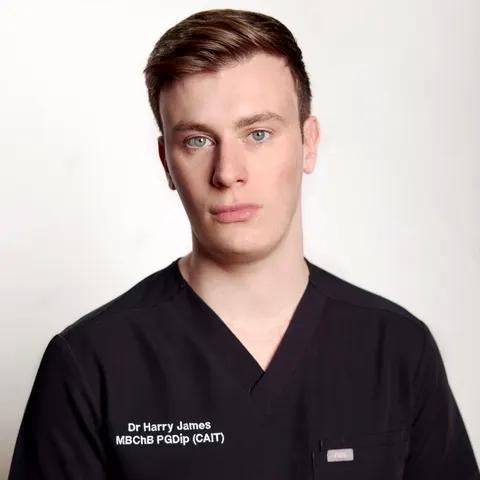
Aesthetic doctor and clinical director of Dr Harry Clinic, Chiswick and Covent Garden. ACE Group World faculty. GMC 7528423. About Dr Harry
Keep reading
Related articles
Collagen Stimulators vs Skin Boosters: Which One Does Your Skin Need?
A skin booster hydrates. A collagen stimulator makes your skin build new collagen. Dr Harry James explains which suits which patient, with…
Is Profhilo Safe? Side Effects, Risks and What Lowers Them
Profhilo has a strong safety record when it is assessed and given by a trained medical injector. What is normal, what is rare, who should…
Profhilo vs Polynucleotides: Which Skin Quality Treatment Do You Need?
Profhilo hydrates and firms. Polynucleotides repair and rebuild. A Dr Harry Clinic guide to which skin quality treatment suits which skin,…