
- Home
- Blog
- Collagen Stimulators
- Profhilo vs Polynucleotides: Which Skin Quality Treatment Do You Need?
Collagen Stimulators · Skin Boosters
Profhilo vs Polynucleotides: Which Skin Quality Treatment Do You Need?
Skin Quality, Two Different Routes
One hydrates and firms. The other repairs and rebuilds. Here is how to tell which your skin needs.
Profhilo and polynucleotides are the two treatments patients most often confuse, and it is easy to see why. Neither adds volume. Neither changes the shape of your face. Both are injected, both improve skin quality and both are described with the same vocabulary of glow, firmness and texture. Yet they work through completely different biology, and choosing the wrong one is the difference between a result you notice and a result you do not.
At Dr Harry Clinic, an aesthetic medicine clinic in Chiswick and Covent Garden, London, both treatments are performed by Dr Harry James, who is GMC registered and holds a postgraduate diploma in clinical aesthetic injectable therapies. This guide explains what each treatment actually does, which skin each one suits and how the two are combined.
Quick answer: choose Profhilo when the problem is dehydrated, dull, crepey skin that is starting to lose firmness across the face, neck, hands or decolletage. Choose polynucleotides when the skin itself is thin, fragile or damaged, or when the concern is under-eye quality. Profhilo hydrates and firms what is there. Polynucleotides repair and rebuild. They are complementary, and many plans use both.
In this guide:
- The difference at a glance
- What Profhilo does
- What polynucleotides do
- The one distinction that decides it
- When Profhilo is the better choice
- When polynucleotides are the better choice
- Under the eyes, where they are not interchangeable
- Can you have both?
- Course, timeline and how long results last
- What each appointment involves
- Who each one is not for
- How the decision is made at consultation
- Frequently asked questions
The difference at a glance
| Profhilo | Polynucleotides | |
|---|---|---|
| What it is | Stabilised hyaluronic acid at one of the highest concentrations available, made with patented NAHYCO technology | Purified DNA fragments, commonly derived from salmon DNA, chosen for compatibility with human skin |
| Main action | Bio-remodelling: deep hydration plus stimulation of collagen and elastin | Regeneration: stimulates fibroblasts, new blood vessel formation and cellular repair |
| What it improves | Firmness, elasticity, texture, radiance, crepiness | Skin density, resilience, quality of thin or damaged skin |
| Volume added | None | None |
| Best suited to | Dull, dehydrated, crepey skin with early laxity | Fragile, thin, sun damaged skin and delicate areas |
| Typical course | Two treatments, four weeks apart | Three sessions, two to three weeks apart |
| Maintenance | Every six to twelve months | Results last six to nine months or more |
| Injection method | Bio-Aesthetic Points, a small number of precise sites allowing even diffusion | Micro-injection protocols spread across the treated area |
| Common areas | Face, neck, decolletage, hands | Face, under-eyes, neck, decolletage, hands and beyond |
What Profhilo does
Profhilo is a bio-remodelling treatment rather than a filler. It contains hyaluronic acid stabilised using patented NAHYCO technology, which allows it to spread evenly through the skin instead of holding a shape where it is placed.
Once it spreads, it does two things at once. It hydrates the tissue from within, which is why patients often describe a dewy, plumper look within the first week. It also triggers fibroblast activity, stimulating four different types of collagen along with elastin, creating a scaffold that supports the structure of the skin. That second effect builds slowly, which is why the visible result keeps improving for weeks after the injections.
It is used across the face, particularly the cheeks, lower face and jawline, and works well on the neck, decolletage and hands, which are thin skinned areas that show ageing early and are difficult to treat with volume based products.
How it is injected: Profhilo is injected using Bio-Aesthetic Points, a set of specific anatomical sites chosen so the product diffuses evenly through the dermal layers with the minimum number of injections. Fewer entry points means less swelling, less bruising and a more consistent spread.
What polynucleotides do
Polynucleotides take a different route entirely. They deliver purified DNA fragments, commonly derived from salmon DNA for its compatibility with human skin, which act as biological messengers rather than as a product that sits in the tissue.
Those messengers encourage the skin to repair environmental and age related damage, stimulate the formation of new blood vessels, produce collagen and elastin, and improve hydration and skin metabolism. The result is not a filled line or a hydrated surface but skin that is measurably denser and more resilient than it was.
This matters most where the skin itself has become the problem. Thin, fragile, crepey or sun damaged skin does not need volume and often does not respond well to it. It needs rebuilding, and that is what a regenerative treatment is designed to do. Polynucleotides are also used well beyond the face, including the neck, decolletage, hands and areas such as scars and stretch marks.
The one distinction that decides it
Strip away the marketing language and the choice comes down to a single question: is your skin dehydrated and losing tone, or is it thin and damaged?
The distinction in one line: Profhilo improves the skin you have. Polynucleotides rebuild skin that has been depleted. If the skin is fundamentally healthy but tired, dull and losing firmness, hydration and bio-remodelling deliver the visible change. If the skin is thin, fragile, crepey from sun exposure or struggling in a delicate area such as under the eyes, regeneration comes first.
This is also why the sequencing question comes up so often. Rebuilding depleted skin and then hydrating it produces a better result than hydrating skin that has no structure to hold the improvement.
When Profhilo is the better choice
- Overall dullness and a loss of glow across the face.
- Mild crepiness on the cheeks, lower face or jawline.
- Skin that feels dehydrated no matter what you apply topically.
- Early laxity where you want firmness without changing facial structure.
- Neck, decolletage or hands showing texture change and thinning.
- You want a shorter course, two sessions rather than three.
If you are weighing Profhilo against a volume product rather than against polynucleotides, our guide to Profhilo compared with traditional fillers covers that decision in full.
When polynucleotides are the better choice
- Thin or fragile skin that bruises and creases easily.
- Visible sun damage and loss of skin density.
- Under-eye skin quality, including crepiness and a tired appearance.
- Skin that has not responded well to hydration alone.
- Younger patients starting preventative care who want biological support rather than correction.
- Areas that are difficult to treat with conventional products, including scars and stretch marks.
Under the eyes, where they are not interchangeable
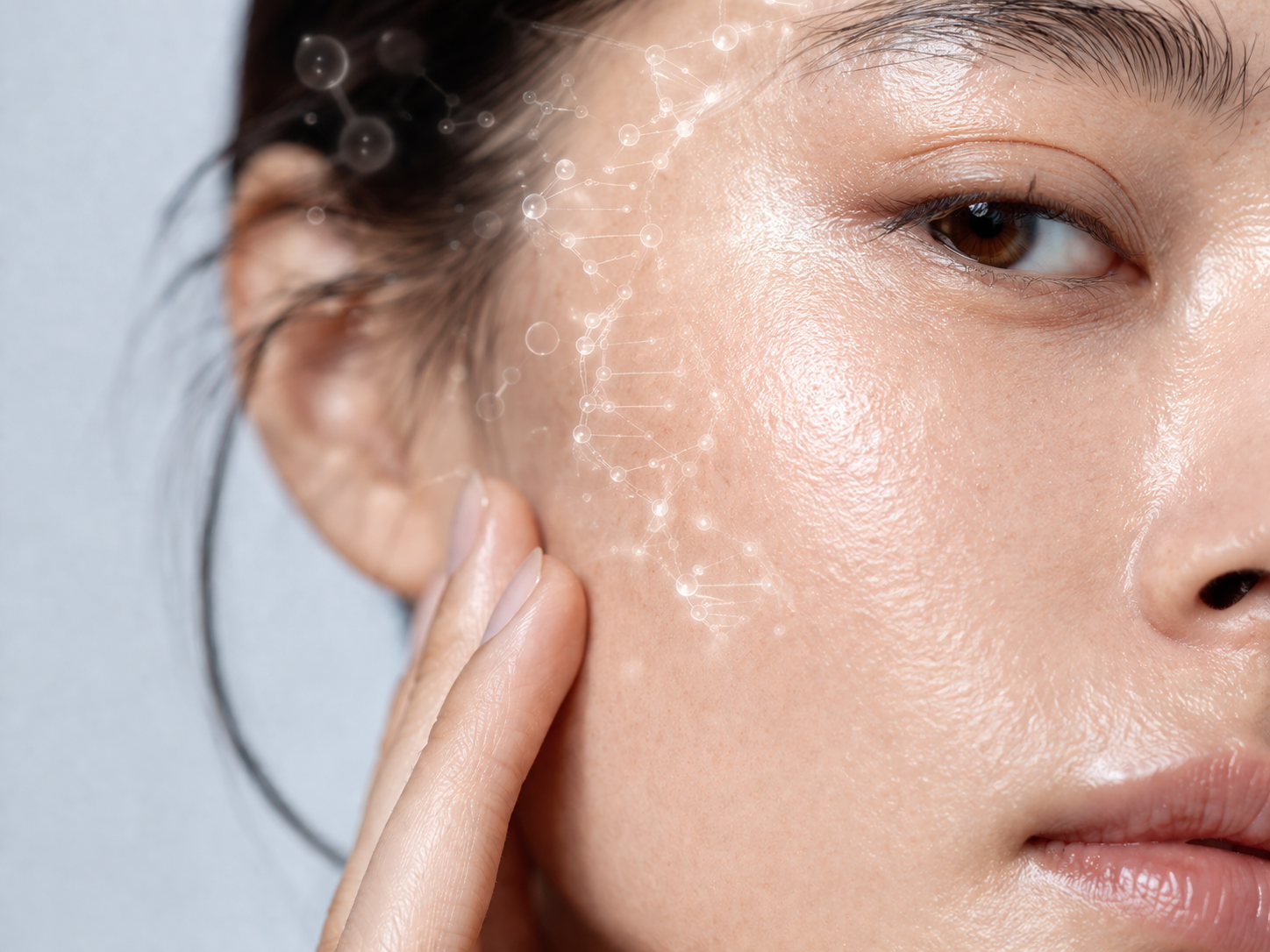
The periorbital area is where the difference stops being academic. The skin under the eye is among the thinnest on the body, sits over a mobile area and shows every change in quality. It is also the area patients most often ask to have filled, when what it usually needs is to be strengthened.
Polynucleotides are generally the more suitable option here because they improve the density and quality of the skin itself. Our guide to tear trough anatomy and treatment approaches explains why the underlying structure has to be assessed before anything is injected in this area, and why the answer is sometimes to treat nothing at all.
Worth knowing: Under-eye concerns have several causes, including skin quality, volume loss, the position of the underlying structures and shadowing from bone shape. A treatment that addresses the wrong cause will not work, however well it is performed. This is the single most common reason patients arrive disappointed with under-eye treatment done elsewhere.
Can you have both?
Yes, and it is a common plan. The two treatments work through different biological routes, so they enhance rather than compete with each other. Polynucleotides are frequently combined with skin boosters, and Profhilo pairs well with regenerative treatments as part of a wider programme.
What matters is sequencing. Each treatment needs room to do its work, and the order depends on what the skin needs most: regeneration first where the skin is depleted, hydration and bio-remodelling first where quality is reasonable but tone is fading. Dr Harry plans this at consultation rather than applying a fixed protocol, and may also incorporate anti-wrinkle injections, dermal fillers or energy based treatments where they add to the result.
If you want the wider view of this category, our guide to skin boosters and collagen stimulators sets out how the whole group of treatments fits together. For the choice one level up, whether your skin needs rebuilding or rehydrating at all, read collagen stimulators vs skin boosters, which compares Profhilo, Belotero Revive, polynucleotides, Radiesse and PolyPhil side by side with current prices.
Course, timeline and how long results last
| Profhilo | Polynucleotides | |
|---|---|---|
| Initial course | Two treatments, four weeks apart | Three sessions, two to three weeks apart |
| First visible change | Hydration and a dewy look often within the first week | Smoother texture and improved hydration at two to four weeks |
| Building phase | Collagen and elastin stimulation continues over the weeks after the second session | Firmer skin and brighter tone at four to eight weeks |
| Full effect | Several weeks after the course is complete | Visible regeneration and density between eight and sixteen weeks |
| How long it lasts | Maintenance usually every six to twelve months | Six to nine months or more with good skincare |
Neither treatment is an instant result, and both reward patience. If you are treating ahead of a specific date, count backwards from it: a Profhilo course needs at least six to eight weeks to be seen at its best, and polynucleotides need longer.
What each appointment involves
- Consultation and skin assessment. Dr Harry examines skin thickness, hydration, elasticity and the pattern of ageing, then explains which treatment addresses what you are seeing.
- Planning. The area, the number of sessions and the sequencing with anything else in your plan are agreed before anything is injected.
- Treatment. Profhilo uses a small number of Bio-Aesthetic Points. Polynucleotides use micro-injection protocols spread across the target area. Both are quick, with minimal discomfort.
- Aftercare and review. Downtime is minimal, and you are given aftercare guidance before you leave.
Aftercare for both follows the same principles as any injectable treatment. Our aftercare guide covers the first forty eight hours in detail.
Who each one is not for
Neither treatment adds volume, and that is the most common mismatch of expectation. If safety is the part you are weighing up, our separate guide covers Profhilo side effects, rare risks and who should not have it. If what you want is more projection in the cheeks, definition along the jawline or fuller lips, no amount of skin quality treatment will deliver it, and a structural product is the right answer.
- Anyone seeking contour or projection needs a dermal filler rather than either of these treatments.
- Anyone expecting an immediate change should know that both work gradually over weeks.
- Anyone with an active skin infection in the treatment area should wait until it has settled.
- Suitability in pregnancy, breastfeeding and alongside certain medical conditions is assessed individually at consultation.
Safety: Both treatments are prescription led medical procedures. Dr Harry James is GMC registered, holds a postgraduate diploma in clinical aesthetic injectable therapies and serves on the ACE Group World faculty, the body that produces UK guidance on the management of aesthetic complications. Anything injected into the skin should be performed by a medical practitioner with that level of training.
How the decision is made at consultation
In practice, patients rarely arrive asking for Profhilo or polynucleotides by name and leave with the same one. They arrive describing a problem: tired skin, crepey texture, dull tone, an under-eye area that has stopped looking rested. The assessment matches the treatment to the cause.
- Skin thickness and quality, assessed directly rather than by age.
- Hydration and elasticity, and how the skin recovers when pinched or moved.
- History, including sun exposure, smoking, previous treatments and skincare.
- The area of concern, since the under-eye, neck and hands each behave differently.
- Your timeline, because a two session course and a three session course sit differently against a date.
You can see the full range on the skin boosters page or browse current treatment options on the prices page.
Frequently asked questions
What is the difference between Profhilo and polynucleotides?
Profhilo is a hyaluronic acid bio-remodelling treatment that hydrates the skin and stimulates collagen and elastin, improving firmness, texture and glow across an area. Polynucleotides are a regenerative treatment using purified DNA fragments that stimulate fibroblast activity and blood flow, repairing and strengthening skin rather than hydrating it. Profhilo improves skin that is dehydrated and losing tone. Polynucleotides rebuild skin that is thin, fragile or damaged.
Which is better, Profhilo or polynucleotides?
Neither is better in general terms, because they solve different problems. If your skin is dull, dehydrated, crepey and starting to lose firmness, Profhilo usually gives the more visible result. If your skin is thin, fragile, sun damaged or the concern is delicate under-eye quality, polynucleotides are usually the stronger choice. At Dr Harry Clinic the decision is made by assessing the skin, not by preference.
Can you have Profhilo and polynucleotides together?
Yes, and many treatment plans use both. They work through different biological routes, so they complement rather than compete. Dr Harry sequences them so each treatment has room to work, commonly using polynucleotides to strengthen and repair the skin first, then Profhilo to hydrate and firm.
How many sessions does each treatment need?
Profhilo is typically a course of two treatments spaced four weeks apart, with maintenance every six to twelve months. Polynucleotides typically involve a course of three sessions spaced two to three weeks apart, depending on the area and the condition of the skin, with results lasting six to nine months or more.
Are polynucleotides a filler?
No. Polynucleotides add no volume and do not fill lines. They work at a cellular level to stimulate the skin’s own repair processes, improving thickness, elasticity and quality. Anyone wanting structural change such as cheek projection or jawline definition needs a dermal filler instead.
Is Profhilo a filler?
No, although it is made from hyaluronic acid like most fillers. Profhilo is stabilised without chemical cross-linking, so it spreads through the tissue rather than holding a shape. It improves the quality of the skin instead of adding contour or projection.
Which is better for under-eye dark circles and crepiness?
Polynucleotides are generally the more suitable option for the periorbital area. The skin there is thin and fragile, and it responds better to a regenerative treatment that improves density and quality than to a product designed to spread and hydrate across a wider area. Suitability is confirmed at consultation.
How soon will I see results?
With Profhilo, hydration is often noticeable within the first week, with the fuller bio-remodelling effect developing over the weeks after the second session. Polynucleotides work more gradually: smoother texture and better hydration at two to four weeks, firmer skin and brighter tone at four to eight weeks, and visible regeneration between eight and sixteen weeks.
Where are the treatments performed?
At Dr Harry Clinic, an aesthetic medicine clinic with locations in Chiswick and Covent Garden, London. Treatments are performed by Dr Harry James, who is GMC registered and holds a postgraduate diploma in clinical aesthetic injectable therapies.
Not Sure Which One Your Skin Needs?
Book a consultation at Chiswick or Covent Garden and Dr Harry will assess your skin and explain which route makes sense, including whether either one is needed at all.
About the author
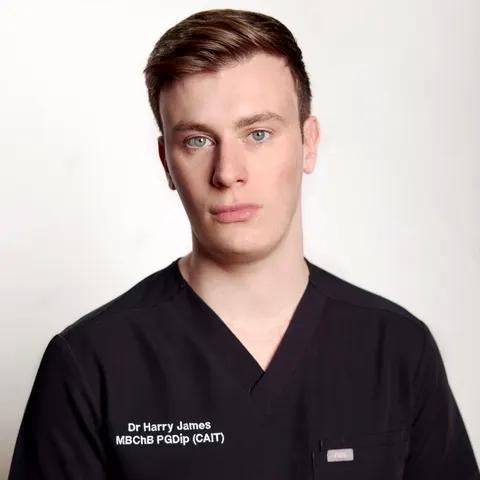
Aesthetic doctor and clinical director of Dr Harry Clinic, Chiswick and Covent Garden. ACE Group World faculty. GMC 7528423. About Dr Harry
Keep reading
Related articles
Collagen Stimulators vs Skin Boosters: Which One Does Your Skin Need?
A skin booster hydrates. A collagen stimulator makes your skin build new collagen. Dr Harry James explains which suits which patient, with…
Is Profhilo Safe? Side Effects, Risks and What Lowers Them
Profhilo has a strong safety record when it is assessed and given by a trained medical injector. What is normal, what is rare, who should…
Collagen Stimulation: How Radiesse Works to Rejuvenate Skin
As we age, our skin’s natural collagen production declines, leading to wrinkles, fine lines, and a loss of facial volume. While many…