
- Home
- Blog
- Skin Boosters
- Profhilo vs. Traditional Fillers: Understanding the Differences
Profhilo vs. Traditional Fillers: Understanding the Differences


Skin Quality or Structure?
Two hyaluronic acid treatments, two entirely different jobs. Here is how to tell which one you need.
Profhilo and traditional dermal fillers are both made from hyaluronic acid, and that is where the similarity ends. Profhilo is a bio-remodelling treatment that improves the quality of the skin across an area. A traditional filler is a structural product that adds volume exactly where it is placed. At Dr Harry Clinic, an aesthetic medicine clinic in Chiswick and Covent Garden, London, Dr Harry James uses both, often for the same patient, for different reasons. This guide explains the difference in plain terms and shows when each one is the right choice.
Quick answer: choose Profhilo when the problem is skin quality, meaning crepiness, dullness, dehydration or early laxity across the face, neck, hands or decolletage. Choose a traditional dermal filler when the problem is lost volume or definition in a specific place, such as cheeks, lips, chin or jawline. They are complementary, not alternatives, and many treatment plans use both in sequence.
In this guide:
The difference at a glance
If you read nothing else, this table carries the practical difference. Everything below it is the detail behind these lines.
| Profhilo | Traditional dermal filler | |
|---|---|---|
| What it is | Hyaluronic acid stabilised by a thermal process, with no chemical cross-linking | Hyaluronic acid chemically cross-linked into a stable gel |
| What it does | Improves hydration, firmness, elasticity and texture | Adds volume, projection and contour |
| How it behaves | Spreads through the tissue from a small number of injection points | Stays where it is placed, holding its shape |
| Where it is used | Face, neck, hands, decolletage | Cheeks, lips, chin, jawline, tear troughs, folds |
| When you see it | Builds over weeks | Visible immediately |
| Typical plan | A course, then maintenance | A single treatment, then a top up when it fades |
| Best for | Skin that looks tired, crepey or dehydrated | Features that have lost shape or support |
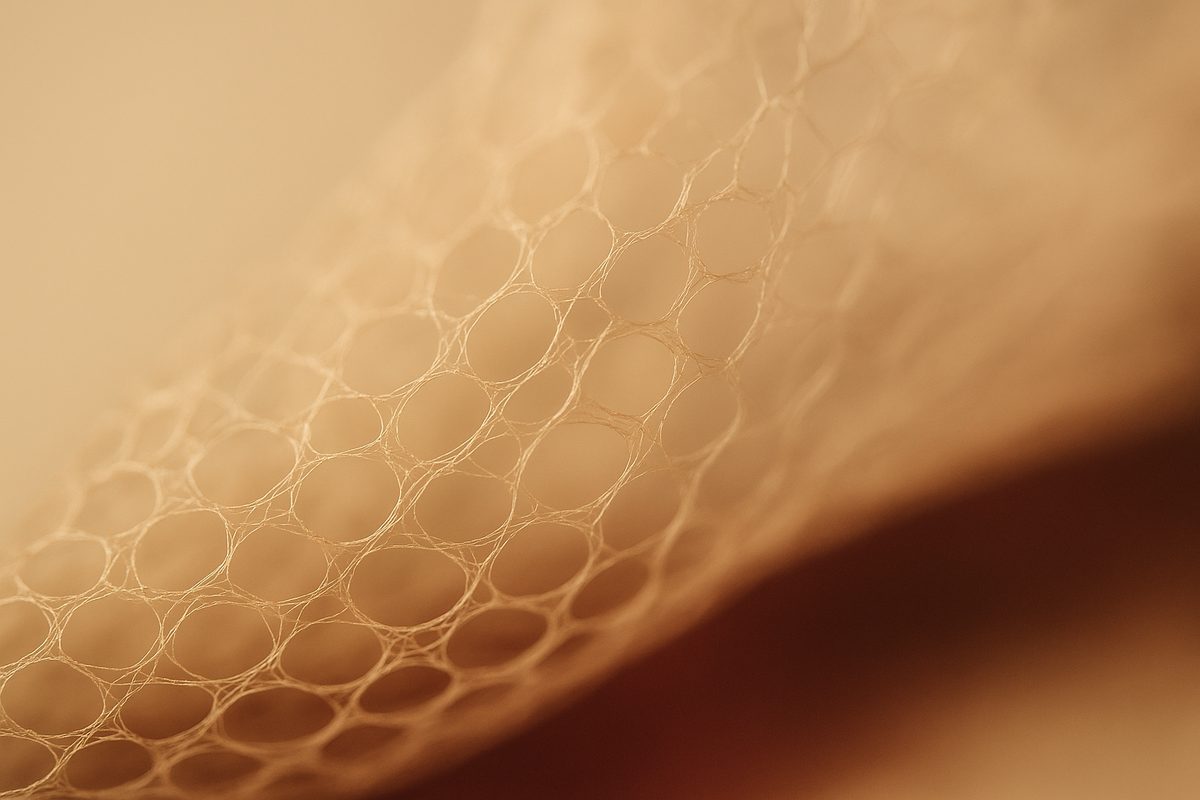
Understanding Profhilo, the bio-remodelling approach
Unique Formulation and Technology
Profhilo represents a revolutionary advancement in hyaluronic acid technology, utilising a patented thermal process that creates a unique hybrid cooperative complex of high and low molecular weight hyaluronic acid without the use of chemical cross-linking agents. This innovative formulation fundamentally changes how hyaluronic acid behaves in tissues and delivers therapeutic benefits.
The NAHYCO (Natural Hyaluronic Acid Hybrid Cooperative Complexes) technology creates stable hybrid complexes through thermal treatment rather than chemical modification. This process maintains the natural properties of hyaluronic acid whilst creating a formulation that provides sustained release and enhanced tissue integration compared to traditional cross-linked fillers.
The absence of chemical cross-linking agents means that Profhilo maintains the natural biocompatibility and safety profile of native hyaluronic acid whilst achieving enhanced stability and longevity. This unique characteristic allows for broader tissue distribution and more natural integration with existing facial structures.
The molecular structure of Profhilo enables it to spread extensively through tissues, creating a bio-remodelling effect that stimulates natural collagen and elastin production. This spreading characteristic distinguishes it from traditional fillers, which remain more localised to their injection sites and provide primarily volumising effects.
The high concentration of hyaluronic acid in Profhilo (64mg in 2ml) provides intense hydration and bio-stimulation effects that extend far beyond the immediate injection sites. This concentration, combined with the unique molecular structure, enables comprehensive skin quality improvement across treated areas.
Mechanism of Action and Bio-Remodelling Effects
Profhilo’s mechanism of action extends far beyond simple volume replacement or hydration, involving complex biological processes that stimulate natural tissue regeneration and remodelling. Understanding these mechanisms helps explain why Profhilo produces different outcomes compared to traditional dermal fillers.
The bio-remodelling process begins with the slow release of hyaluronic acid from the injection sites, creating a sustained stimulus for cellular activity and tissue regeneration. This gradual release maintains therapeutic levels of hyaluronic acid in tissues for extended periods, promoting ongoing biological activity.
Fibroblast stimulation represents a key mechanism of Profhilo’s action, with the treatment promoting increased production of collagen types I, III, and IV, as well as elastin. This stimulation occurs through direct cellular interaction with hyaluronic acid and mechanical stimulation from the spreading gel matrix.
Neovascularisation, or the formation of new blood vessels, is enhanced by Profhilo treatment, improving tissue perfusion and nutrient delivery to treated areas. This improved vascularisation contributes to enhanced skin quality and supports the ongoing regenerative processes initiated by treatment.
The treatment promotes reorganisation of existing collagen fibres and the formation of new collagen networks, resulting in improved skin structure and mechanical properties. This remodelling process continues for months after treatment, providing progressive improvement in skin quality over time.
Hydration enhancement occurs through multiple mechanisms, including direct hyaluronic acid hydration, improved tissue water-binding capacity, and enhanced barrier function. This comprehensive hydration improvement contributes to the visible skin quality benefits observed with Profhilo treatment.
Clinical Applications and Treatment Areas
Profhilo’s unique properties make it suitable for a wide range of clinical applications, particularly in areas where traditional fillers may not be appropriate or where skin quality improvement is the primary goal. Understanding these applications enables optimal treatment selection and patient counselling.
Facial bio-remodelling represents the primary application for Profhilo, addressing overall skin quality, hydration, and texture across the entire face. The treatment is particularly effective for patients with early signs of ageing or those seeking preventative treatments to maintain skin quality over time.
Neck and décolletage treatment with Profhilo addresses areas that are often challenging to treat with traditional methods due to thin skin and high mobility. The bio-remodelling effects can significantly improve skin texture and appearance in these delicate areas without the risks associated with traditional filler placement.
Hand rejuvenation using Profhilo provides comprehensive improvement in skin quality, addressing the thin, aged appearance that characterises hand ageing. The treatment improves skin thickness, hydration, and overall appearance without the volume replacement approach used with traditional fillers.
Combination treatments utilising Profhilo alongside traditional fillers or other aesthetic procedures can provide comprehensive facial rejuvenation that addresses both volume loss and skin quality concerns. This combined approach often produces superior results compared to single-modality treatments.
Preventative applications of Profhilo are increasingly popular among younger patients seeking to maintain skin quality and delay the onset of visible ageing signs. The treatment’s ability to stimulate natural regenerative processes makes it ideal for proactive skin health maintenance.
Traditional dermal fillers, volume and structure
Cross-Linked Hyaluronic Acid Technology
Traditional dermal fillers utilise chemical cross-linking technology to create stable, long-lasting formulations that provide immediate volume enhancement and structural support. Understanding this technology helps explain the different characteristics and applications of conventional fillers compared to bio-remodelling treatments like Profhilo.
Cross-linking processes involve chemical modification of hyaluronic acid chains to create three-dimensional networks that resist enzymatic breakdown whilst maintaining the beneficial properties of hyaluronic acid. Different cross-linking technologies produce fillers with varying characteristics suitable for specific applications.
The degree of cross-linking directly influences filler properties including viscosity, elasticity, longevity, and lift capacity. Highly cross-linked formulations provide greater structural support and longer duration, making them suitable for deep tissue augmentation and facial contouring applications.
Particle size and distribution within cross-linked fillers affect injection characteristics, tissue integration, and aesthetic outcomes. Smaller, more uniform particles typically provide smoother injection and more natural results, whilst larger particles may offer greater lift capacity for structural applications.
The cohesivity and elasticity of cross-linked fillers determine how they behave in tissues, with more cohesive products maintaining their shape and position whilst more elastic formulations adapt better to tissue movement and facial expressions.
Manufacturing variations between different filler brands result in products with distinct characteristics even when using similar cross-linking technologies. These differences influence clinical performance and make certain products more suitable for specific applications or patient types.
Volume Replacement and Structural Support
Traditional dermal fillers excel at providing immediate volume replacement and structural support, addressing specific aesthetic concerns through targeted enhancement of facial contours and correction of volume-related ageing changes. This approach differs fundamentally from the bio-remodelling effects of treatments like Profhilo.
Immediate volume enhancement represents the primary benefit of traditional fillers, with results visible immediately following treatment. This immediate effect makes fillers ideal for patients seeking prompt correction of specific concerns such as nasolabial folds, lip enhancement, or cheek augmentation.
Structural support capabilities enable traditional fillers to provide lift and contouring effects that can dramatically improve facial proportions and restore youthful contours. High-viscosity fillers can provide significant structural changes that are not achievable with bio-remodelling treatments alone.
Targeted correction of specific defects or asymmetries is a key strength of traditional fillers, allowing precise placement to address individual concerns. This targeted approach enables customised treatment plans that address each patient’s unique aesthetic goals and anatomical considerations.
Longevity of volume enhancement varies by product and application but typically ranges from 6-24 months depending on the specific filler used and treatment area. This predictable duration enables treatment planning and maintenance scheduling for sustained results.
The reversibility of hyaluronic acid fillers using hyaluronidase provides safety and flexibility, allowing for correction of undesired outcomes or adjustment of results as needed. This reversibility is particularly important for structural applications where precise outcomes are crucial.
Established Clinical Applications
Traditional dermal fillers have well-established applications across a wide range of aesthetic concerns, with extensive clinical experience and research supporting their use in various facial areas and treatment goals. Understanding these applications helps guide appropriate treatment selection and patient counselling.
Lip enhancement represents one of the most popular applications for traditional fillers, with products specifically formulated for the unique requirements of lip augmentation. These applications require fillers that provide volume whilst maintaining natural movement and sensation.
Nasolabial fold and marionette line correction utilises fillers to restore volume and smooth wrinkles in these common areas of concern. The choice of filler depends on the severity of the folds and the desired degree of correction, with different products suitable for different applications.
Cheek enhancement and mid-face volumisation use structural fillers to restore youthful facial proportions and improve overall facial harmony. These applications often require high-viscosity products that can provide significant lift and contouring effects.
Tear trough correction addresses the challenging under-eye area using specialised techniques and products designed for this delicate region. Success in this area requires specific expertise and careful product selection to achieve natural-looking results whilst avoiding complications.
Jawline definition and chin enhancement utilise robust fillers to create masculine or feminine facial contours as appropriate for individual patients. These structural applications can dramatically improve facial proportions and create more defined, youthful appearances.
Comparing the two directly
Treatment Goals and Outcomes
The fundamental difference between Profhilo and traditional fillers lies in their treatment goals and the types of outcomes they achieve. Understanding these differences is crucial for appropriate treatment selection and setting realistic patient expectations for each approach.
Profhilo focuses primarily on skin quality improvement, addressing concerns such as hydration, texture, elasticity, and overall skin health rather than providing volume enhancement or structural changes. The treatment aims to create natural-looking improvement in skin appearance and feel through biological stimulation and remodelling processes.
Traditional fillers target specific volume deficits and structural concerns, providing immediate correction of wrinkles, enhancement of facial features, and restoration of youthful contours. The goals are typically more dramatic and immediately visible compared to the gradual improvements achieved with Profhilo.
The timeline of results differs significantly between the approaches, with traditional fillers providing immediate visible changes whilst Profhilo produces gradual improvement over weeks to months as biological processes are stimulated and tissue remodelling occurs.
Naturalness of results varies between the treatments, with Profhilo typically producing very natural-looking improvements that enhance existing features without obvious changes, whilst traditional fillers can provide more dramatic enhancement that may be more noticeable depending on the degree of correction achieved.
Patient satisfaction factors differ between the treatments, with Profhilo patients often appreciating the natural, gradual improvement in skin quality, whilst traditional filler patients may prefer the immediate, visible correction of specific concerns. Understanding these preferences helps guide treatment selection.
Treatment Protocols and Techniques
The treatment protocols for Profhilo and traditional fillers differ significantly in terms of injection techniques, number of sessions required, and post-treatment care, reflecting their different mechanisms of action and treatment goals.
Profhilo treatment typically involves two sessions spaced 4 weeks apart, using a standardised 5-point injection technique on each side of the face. This protocol has been established through clinical research and optimises the bio-remodelling effects whilst minimising injection sites and patient discomfort.
Traditional filler treatments are typically completed in single sessions, with the amount and placement of product determined by the specific treatment goals and areas being addressed. The injection technique varies significantly based on the area being treated and the desired outcomes.
Injection depth differs between the treatments, with Profhilo typically injected into the subcutaneous tissue where it can spread and exert bio-remodelling effects, whilst traditional fillers are placed at various depths depending on the specific application and desired outcomes.
Post-treatment care requirements are generally minimal for both treatments, though Profhilo patients are advised to avoid massage or manipulation of treated areas to allow for optimal spreading and integration of the product.
Maintenance schedules differ significantly, with Profhilo typically requiring retreatment every 6-12 months to maintain bio-remodelling effects, whilst traditional fillers require maintenance based on their specific longevity, which varies by product and application.
Safety Profiles and Considerations
Both Profhilo and traditional dermal fillers have excellent safety profiles when administered by qualified practitioners (our guide to Profhilo side effects and risks covers what is normal and what is rare), though there are some differences in their risk profiles and contraindications that influence treatment selection and patient counselling.
Profhilo’s safety profile benefits from the absence of chemical cross-linking agents, maintaining the natural biocompatibility of hyaluronic acid whilst providing enhanced stability. The treatment has minimal risk of granuloma formation or other long-term complications associated with some cross-linked products.
Traditional fillers have extensive safety data from years of clinical use, with well-established risk profiles and management protocols for potential complications. The reversibility of hyaluronic acid fillers using hyaluronidase provides additional safety reassurance for both practitioners and patients.
Injection site reactions are generally mild and temporary for both treatments, though the multiple injection sites used for traditional filler applications may result in more visible immediate post-treatment effects compared to the limited injection sites used for Profhilo.
Contraindications are similar for both treatments, including pregnancy, breastfeeding, active infection at treatment sites, and known hypersensitivity to hyaluronic acid or other product components. However, the different injection techniques and depths may influence suitability for certain patients or anatomical areas.
Long-term safety considerations favour both treatments, with no evidence of significant long-term complications when treatments are performed appropriately. The natural biodegradation of hyaluronic acid ensures that effects are temporary and reversible for both treatment types.
Cost-Effectiveness Analysis
Evaluating the cost-effectiveness of Profhilo versus traditional fillers requires consideration of multiple factors including treatment costs, longevity, maintenance requirements, and the value of different types of aesthetic improvement to individual patients.
Initial treatment costs for Profhilo are typically lower than comprehensive traditional filler treatments, as the standardised protocol requires less product and fewer injection sites compared to multiple-area filler treatments. However, direct cost comparisons depend on the specific treatment goals and areas being addressed.
Longevity considerations show that both treatments require maintenance, though the intervals and costs may differ. Profhilo typically requires retreatment every 6-12 months, whilst traditional fillers may last 6-24 months depending on the specific product and application.
The value proposition differs between treatments, with Profhilo offering comprehensive skin quality improvement that may address multiple concerns simultaneously, whilst traditional fillers provide targeted correction of specific issues. The perceived value depends on individual patient priorities and aesthetic goals.
Cumulative costs over time should be considered when evaluating treatment options, as the ongoing maintenance requirements for both treatments result in long-term financial commitments. Patients should understand these ongoing costs when making treatment decisions.
Quality of life improvements may justify treatment costs for both approaches, though the types of benefits differ. Profhilo may provide broader skin quality benefits that enhance overall appearance and confidence, whilst traditional fillers may address specific concerns that significantly impact patient satisfaction and self-esteem.
Using Profhilo and fillers together
Synergistic Treatment Protocols
The combination of Profhilo with traditional dermal fillers represents an advanced approach to facial rejuvenation that leverages the unique benefits of each treatment to achieve comprehensive aesthetic improvement. Understanding how to effectively combine these treatments enables optimal outcomes that address both structural and skin quality concerns.
Sequential treatment protocols typically begin with Profhilo to improve overall skin quality and prepare tissues for subsequent filler treatments. This approach can enhance the integration and longevity of traditional fillers whilst providing a foundation of improved skin health that enhances overall results.
Simultaneous treatment approaches involve performing both Profhilo and traditional filler treatments in the same session, which can be efficient for patients but requires careful planning to ensure optimal placement and avoid interference between the different products.
Staged treatment plans may involve alternating between Profhilo and traditional filler treatments over time, maintaining both skin quality improvement and structural enhancement through systematic treatment scheduling. This approach can provide sustained comprehensive improvement with optimised maintenance intervals.
The timing of combination treatments is crucial, with considerations including the spreading characteristics of Profhilo, the placement requirements for traditional fillers, and the potential for interaction between different products. Proper timing ensures that each treatment can achieve its optimal effects.
Patient selection for combination approaches should consider factors such as age, skin condition, aesthetic goals, and budget constraints. Not all patients require or benefit from combination treatments, and individualised assessment is essential for optimal treatment planning.
Treatment Sequencing Strategies
Effective sequencing of Profhilo and traditional filler treatments requires understanding how each treatment affects tissues and how they can be optimally combined to achieve desired outcomes whilst minimising risks and maximising benefits.
Profhilo-first protocols involve completing the initial Profhilo treatment course before proceeding with traditional filler treatments. This approach allows for tissue preparation and skin quality improvement that may enhance the results and longevity of subsequent filler treatments.
Filler-first approaches may be appropriate for patients with significant structural concerns that require immediate correction, with Profhilo added subsequently to enhance skin quality and potentially extend filler longevity. This sequence may be preferred when dramatic structural changes are the primary goal.
Alternating treatment schedules involve systematic rotation between Profhilo and traditional filler treatments, maintaining both skin quality and structural enhancement over time. This approach requires careful planning to optimise treatment intervals and maintain consistent results.
Maintenance sequencing considerations include how to maintain both bio-remodelling effects and volume enhancement over time, with treatment schedules that account for the different longevity profiles of each treatment type.
Assessment and adjustment protocols enable modification of treatment sequences based on individual response patterns and changing patient needs over time. Regular evaluation ensures that combination approaches remain optimal and cost-effective for each patient.
Patient Selection for Combined Treatments
Identifying appropriate candidates for combination Profhilo and traditional filler treatments requires comprehensive assessment of patient characteristics, aesthetic goals, and practical considerations that influence treatment success and satisfaction.
Age-related considerations show that younger patients may benefit more from Profhilo-focused approaches with minimal filler enhancement, whilst older patients with significant volume loss may require more extensive traditional filler treatments supplemented by Profhilo for skin quality improvement.
Skin condition assessment helps determine the relative emphasis on bio-remodelling versus volume replacement, with patients having good skin quality but volume loss benefiting from filler-focused approaches, whilst those with poor skin quality may benefit from Profhilo-emphasised protocols.
Aesthetic goal evaluation ensures that treatment combinations align with patient expectations and desired outcomes. Patients seeking natural, subtle improvement may prefer Profhilo-focused approaches, whilst those desiring more dramatic enhancement may benefit from filler-emphasised combinations.
Lifestyle factors including sun exposure, skincare habits, and maintenance preferences influence treatment selection and sequencing. Patients with high sun exposure may benefit more from bio-remodelling approaches that improve skin resilience, whilst those seeking low-maintenance solutions may prefer longer-lasting filler treatments.
Budget considerations affect treatment planning, as combination approaches typically involve higher costs than single-treatment protocols. Understanding patient budget constraints enables development of realistic treatment plans that provide optimal value within financial limitations.
Which one is right for you?
The useful question is not which treatment is better. It is which problem you are trying to solve. In consultation the assessment usually lands in one of four places.
- Your skin looks tired but your face still has its shape. Skin quality work first. Profhilo, or one of the other skin boosters, is likely to give you what you are describing.
- A specific feature has lost definition. Structural filler. cheek filler and lip filler are the common examples, and the dermal filler treatments pages set out each area.
- Both, and you are not sure where to start. Skin quality first is a common sequence, because better skin quality changes how a structural result looks afterwards.
- You are in your late twenties or thirties with no volume loss yet. Preventative bio-remodelling is a reasonable use of Profhilo, and filler probably is not needed at all.

The areas where this decision matters most are the ones with thin, mobile skin. The neck and decolletage ageing respond well to bio-remodelling and poorly to structural filler. Deep nasolabial folds, by contrast, are a volume problem that Profhilo will not correct on its own.
What each treatment costs here
Cost is often the deciding factor, so it is worth seeing the two side by side. These are the published fees at both London clinics.
| Treatment | Price here | Usual plan |
|---|---|---|
| Profhilo, single session | £350 | Reviewed after each session |
| Profhilo, course of three | £900 | The plan many patients start with |
| Dermal filler, 1ml | £400 | A single treatment, then a top up |
| Dermal filler, 2ml | £550 | Where more than one area is treated |
| Consultation | £75 | Redeemable against treatment |
On a single appointment the two are close. Over a year they differ, because Profhilo is designed to be repeated as a course while a filler result is usually one treatment with a top up later, covered in our timeline on how long dermal fillers last. Other regenerative options sit at similar prices: polynucleotides and Belotero Revive are both £350 a session, and Radiesse is £400. The full price list has everything.
A note on comparing quotes. Injectable hyaluronic acid products are prescription medicines in the UK. A price well below the market usually means less product, a less experienced injector, or no review afterwards. Ask who will treat you, what their medical qualification is, and what happens if something goes wrong.
Where the field is heading
Emerging Bio-Remodelling Technologies
The success of Profhilo has stimulated significant research and development in bio-remodelling technologies, with new formulations and treatment approaches being developed to enhance the biological effects of aesthetic treatments whilst maintaining safety and natural-looking results.
Next-generation hybrid complexes are being developed that may provide enhanced bio-stimulation effects, longer duration, or improved tissue integration compared to current formulations. These developments may expand the applications and effectiveness of bio-remodelling treatments.
Combination formulations incorporating additional bioactive ingredients such as amino acids, peptides, or growth factors alongside hyaluronic acid may provide enhanced regenerative effects and broader therapeutic benefits compared to hyaluronic acid alone.
Targeted delivery systems are being developed to optimise the distribution and biological activity of bio-remodelling treatments, potentially enabling more precise treatment effects and reduced injection requirements whilst maintaining or enhancing therapeutic benefits.
Personalised bio-remodelling approaches may emerge that tailor treatment formulations or protocols to individual patient characteristics, genetic profiles, or specific skin conditions to optimise outcomes and minimise variability in treatment response.
Extended-release formulations are being investigated that may provide longer-lasting bio-remodelling effects, potentially reducing treatment frequency whilst maintaining the biological benefits that characterise current bio-remodelling treatments.
Advanced Filler Technologies
Traditional dermal filler technology continues to evolve, with new formulations and technologies being developed to enhance safety, longevity, and natural-looking results whilst expanding the range of applications and treatment possibilities.
Smart fillers with responsive properties that adapt to tissue conditions or provide controlled release of active ingredients are under development. These innovative formulations may offer improved performance and reduced maintenance requirements compared to current products.
Bioactive fillers incorporating growth factors, stem cell derivatives, or other regenerative components may combine immediate volume enhancement with long-term tissue improvement, bridging the gap between traditional fillers and bio-remodelling treatments.
Improved cross-linking technologies aim to create fillers with enhanced longevity whilst maintaining natural integration and movement characteristics. These advanced formulations may provide extended treatment intervals without compromising aesthetic outcomes or safety profiles.
Minimally invasive delivery systems including micro-needle technologies and needle-free injection systems are being developed to improve patient comfort and treatment accessibility whilst maintaining the precision and effectiveness of traditional injection techniques.
Reversible permanent fillers represent an emerging category that may provide extended longevity with maintained reversibility, offering the benefits of longer-lasting results whilst preserving the safety advantages of temporary treatments.
Integration with Other Aesthetic Modalities
The future of aesthetic medicine increasingly involves integration of multiple treatment modalities to achieve comprehensive facial rejuvenation that addresses all aspects of ageing whilst maintaining natural-looking results and optimal safety profiles.
Energy-based treatments including radiofrequency, ultrasound, and laser therapies are being combined with injectable treatments to provide synergistic effects that enhance both immediate and long-term results whilst addressing multiple aspects of facial ageing simultaneously.
Regenerative medicine approaches incorporating platelet-rich plasma, stem cell therapies, or exosome treatments may be combined with traditional aesthetic treatments to enhance healing, improve results, and provide additional regenerative benefits.
Skincare integration involves developing treatment protocols that optimise the interaction between injectable treatments and topical skincare regimens, potentially enhancing treatment outcomes and extending the benefits of aesthetic procedures.
Preventative treatment protocols are being developed that combine multiple modalities to prevent rather than simply treat the signs of ageing, potentially revolutionising aesthetic medicine by shifting focus from correction to prevention.
Personalised treatment algorithms may emerge that use artificial intelligence or genetic testing to optimise treatment selection and protocols for individual patients, potentially improving outcomes whilst reducing variability and complications.
Read:
- Collagen Stimulators vs Skin Boosters: Which One Does Your Skin Need?
- Is Profhilo Safe? Side Effects, Risks and What Lowers Them
- Profhilo vs Polynucleotides: Which Skin Quality Treatment Do You Need?
- Profhilo vs. Traditional Fillers: Understanding the Differences
- Common Skin Concerns: Medical Approaches to Treatment
Treated by a doctor, at both London clinics

Every treatment at Dr Harry Clinic is performed by Dr Harry James, a GMC-registered doctor, a certified trainer in aesthetic medicine and a faculty member of ACE Group World, the UK body focused on managing complications from aesthetic treatment. The same treatments and the same fees apply at Chiswick and Covent Garden. If you would like the wider context first, our guide to skin boosters and collagen stimulators covers the whole category, and the definitive guide to dermal fillers does the same on the structural side.
Frequently asked questions
Is Profhilo a filler?
Not in the usual sense. Profhilo is hyaluronic acid, like most fillers, but it is not chemically cross-linked and it is not designed to hold a shape. It spreads through the skin and stimulates collagen and elastin, so it improves skin quality rather than adding volume. It is better described as a bio-remodelling treatment.
Can I have Profhilo and filler at the same time?
Yes, and many treatment plans include both. They are usually staged rather than done in one appointment, so each result can be assessed on its own. Dr Harry will set the sequence at your consultation, and skin quality work often comes first.
Which works out cheaper, Profhilo or filler?
At this clinic a single Profhilo session is £350 and 1ml of dermal filler is £400, so a single appointment is similar. Over a year they diverge, because Profhilo is designed as a repeated course while filler is normally one treatment with a top up when it fades.
How soon will I see a difference with each?
Filler is visible immediately, with swelling settling over the first week or two. Profhilo builds gradually, with the change in skin quality developing over the weeks after each session as collagen and elastin production increases.
Can Profhilo be dissolved like filler?
Profhilo is hyaluronic acid, so in principle it can be broken down with hyaluronidase, although it is rarely needed because it does not create volume that could look wrong. Dissolving is far more relevant to structural filler, which we cover in our piece on filler dissolving.
Does Profhilo work on the neck and hands?
Yes. Those areas are among its strongest uses, because the skin there is thin and mobile and responds poorly to structural filler. Hydration, firmness and texture in the neck, decolletage and hands are exactly what bio-remodelling addresses.
Which should I have first if I want both?
Skin quality first is a common approach, because improving the skin changes how a structural result looks and can reduce how much filler is needed. That said, if a specific feature is the thing that bothers you most, treating it first is perfectly reasonable. It is a discussion for your consultation.
Not sure which one your skin actually needs?
About the author

Aesthetic doctor and clinical director of Dr Harry Clinic, Chiswick and Covent Garden. ACE Group World faculty. GMC 7528423. About Dr Harry
Keep reading
Related articles
Collagen Stimulators vs Skin Boosters: Which One Does Your Skin Need?
A skin booster hydrates. A collagen stimulator makes your skin build new collagen. Dr Harry James explains which suits which patient, with…

Is Profhilo Safe? Side Effects, Risks and What Lowers Them
Profhilo has a strong safety record when it is assessed and given by a trained medical injector. What is normal, what is rare, who should…

Profhilo vs Polynucleotides: Which Skin Quality Treatment Do You Need?
Profhilo hydrates and firms. Polynucleotides repair and rebuild. A Dr Harry Clinic guide to which skin quality treatment suits which skin,…