
- Home
- Blog
- Neck & Décolletage
- Neck Anatomy & Ageing: The Often Overlooked Region
Neck Anatomy & Ageing: The Often Overlooked Region

The neck represents one of the most revealing yet frequently overlooked regions when it comes to facial ageing and aesthetic medicine. This complex anatomical area serves as the crucial transition between the face and body, playing essential roles in both function and aesthetics whilst often being the first region to betray one’s true age despite careful attention to facial rejuvenation.
Understanding neck anatomy is particularly important because this region undergoes some of the most dramatic and visible changes during the ageing process, yet it’s often neglected in aesthetic treatment plans. From the development of neck bands and turkey neck to the loss of the defined cervicomental angle, each change has specific anatomical causes that must be understood for effective treatment.
The cultural significance of a smooth, defined neck cannot be understated, with a youthful neck being universally associated with attractiveness and vitality. The neck’s prominent position and constant visibility make it crucial for overall aesthetic harmony, yet many patients and practitioners focus primarily on facial features whilst ignoring this equally important region.
The complexity of neck anatomy extends far beyond the obvious surface features to include intricate arrangements of muscles, fascial layers, fat compartments, and supporting structures that work together to create the sophisticated contours and movements necessary for function whilst maintaining aesthetic appeal.
The neck also represents a region where the effects of gravity, sun damage, and lifestyle factors are particularly pronounced, making it both challenging to treat and rewarding when addressed comprehensively. Understanding these challenges and the anatomical basis for effective treatment is essential for achieving optimal aesthetic outcomes.
This comprehensive guide explores the intricate anatomy of the neck, the complex ageing processes that affect this often-neglected region, and the sophisticated treatment approaches that can restore youthful contours whilst maintaining the natural function and grace that characterise an attractive neck.
Fundamental Neck Anatomy
Skeletal Framework and Structural Foundation
The skeletal framework of the neck provides the foundational structure that determines neck shape, posture, and the potential for aesthetic enhancement. Understanding this bony architecture is fundamental to comprehending how ageing affects neck appearance and how treatments can be optimally planned.
The cervical spine consists of seven vertebrae that create the natural lordotic curve essential for proper neck posture and function. This curve significantly influences the neck’s profile and the way overlying soft tissues drape, affecting both aesthetics and function.
The hyoid bone, a unique horseshoe-shaped bone that doesn’t articulate with any other bone, plays crucial roles in swallowing, speech, and neck contour. Its position and the muscles attached to it significantly influence the appearance of the upper neck and the definition of the cervicomental angle.
The mandible, whilst primarily considered part of the lower face, extends into the neck region and provides crucial attachment points for neck muscles. The relationship between the mandible and neck structures is essential for overall neck aesthetics.
The clavicles and sternum provide the lower boundaries of the neck region and influence the transition between the neck and chest. The prominence and position of these structures affect overall neck appearance and proportion.
The thyroid cartilage, commonly known as the Adam’s apple, is more prominent in men but present in both sexes. Its size and position can affect neck contour and may be a consideration in some treatment approaches.
Age-related changes in the skeletal framework include alterations in cervical spine curvature, which can affect neck posture and the way soft tissues drape. These postural changes can significantly impact neck appearance and may require consideration in comprehensive treatment approaches.
The relationship between the neck skeleton and the overlying soft tissues is crucial for understanding how structural changes affect appearance and how treatments can be most effectively planned and executed.
Muscular Architecture and Function
The muscular system of the neck is remarkably complex, involving numerous muscles that work together to provide the strength and flexibility necessary for head movement, swallowing, breathing, and speech whilst contributing significantly to neck aesthetics.
The platysma muscle represents the most superficial and aesthetically important muscle of the neck, extending from the chest and shoulders up to the lower face. This thin, sheet-like muscle plays crucial roles in facial expression and neck contour, and its age-related changes are among the most visible signs of neck ageing.
The platysma muscle’s unique characteristics include its broad, thin structure and its insertion into facial tissues rather than bone. These characteristics make it particularly susceptible to age-related changes and also make it an important target for aesthetic treatments.
The sternocleidomastoid muscles are the most prominent muscles of the neck, creating the visible bands that extend from behind the ears to the sternum and clavicles. These muscles are essential for head rotation and flexion but can become more prominent with age, affecting neck aesthetics.
The deep neck muscles, including the scalenes, longus colli, and other muscles, provide stability and fine motor control for the cervical spine. Whilst not directly visible, these muscles influence neck posture and the way superficial structures appear.
The suprahyoid muscles, including the digastric, mylohyoid, and geniohyoid muscles, connect the hyoid bone to the mandible and play important roles in swallowing and speech. These muscles also contribute to the definition of the cervicomental angle.
The infrahyoid muscles, including the sternohyoid, sternothyroid, and omohyoid muscles, connect the hyoid bone to the sternum and other structures. These muscles contribute to neck contour and can affect the appearance of the lower neck.
Age-related changes in neck muscles include loss of tone, development of bands (particularly in the platysma), and changes in coordination that can affect both function and appearance.
Understanding the complex interactions between different muscle groups is crucial for treatments that aim to improve neck aesthetics whilst maintaining natural function and movement.
Fat Distribution and Compartmental Anatomy
The distribution of fat in the neck follows specific patterns that are crucial for understanding both youthful neck aesthetics and the changes that occur with ageing. Recent research has revealed that neck fat is organised into distinct compartments, similar to facial fat organisation.
The submental fat compartment, located beneath the chin, is one of the most clinically relevant fat deposits in the neck region. This compartment can enlarge with age or weight gain, creating the appearance of a double chin and significantly affecting the cervicomental angle.
The submandibular fat compartments lie along the jawline and contribute to the smooth transition between the face and neck. Changes in these compartments can affect jawline definition and overall neck contour.
The lateral neck fat compartments provide fullness and smooth contours along the sides of the neck. Age-related changes in these compartments can create hollowing or irregularities that contribute to aged appearance.
The posterior neck fat distribution affects the back of the neck and can influence overall neck proportion and the transition to the shoulders. Changes in this area are often related to posture and lifestyle factors.
The superficial and deep fat layers of the neck have different characteristics and age differently, with superficial fat being more subject to gravitational effects whilst deep fat provides structural support.
The relationship between neck fat compartments and the overlying skin and underlying muscles is complex, with changes in one component affecting the appearance of others.
Understanding fat compartment anatomy is crucial for treatment approaches that aim to address volume concerns through reduction, redistribution, or enhancement techniques.
Individual variation in neck fat distribution is significant, with some people naturally having fuller necks whilst others have more defined, angular contours.
Fascial Layers and Supporting Structures
The neck contains multiple fascial layers that provide structure, support, and organisation for the various anatomical components. Understanding these fascial relationships is crucial for both surgical and non-surgical treatment approaches.
The superficial cervical fascia lies just beneath the skin and encases the platysma muscle. This fascial layer plays important roles in maintaining tissue relationships and can be affected by age-related changes.
The deep cervical fascia is organised into multiple layers that surround and separate different muscle groups, blood vessels, and other structures. These fascial planes serve as natural boundaries for both anatomical organisation and surgical approaches.
The investing layer of deep cervical fascia surrounds the neck muscles and provides structural support. Changes in this fascial layer can affect muscle function and neck contour.
The pretracheal fascia surrounds the thyroid gland and related structures, whilst the prevertebral fascia covers the deep neck muscles and cervical spine.
The carotid sheath is a specialised fascial structure that contains the major blood vessels and nerves of the neck. Understanding this anatomy is crucial for safety during any neck procedures.
Age-related changes in fascial structures include loss of elasticity, thinning, and weakening that can contribute to tissue descent and loss of definition.
The relationship between fascial layers and other neck structures is complex, with changes in one layer affecting the entire neck architecture.
Understanding fascial anatomy is particularly important for treatments that aim to provide lift or support, as these structures often serve as the foundation for such approaches.
Vascular Supply and Lymphatic System
The vascular anatomy of the neck is complex and critically important, as this region contains major blood vessels that supply the brain and other vital structures. Understanding this anatomy is essential for safe treatment approaches.
The carotid arteries provide the primary blood supply to the brain and give rise to numerous branches that supply neck structures. The external carotid artery and its branches supply much of the neck soft tissues.
The facial artery, a branch of the external carotid, supplies portions of the lower neck and jawline region. Understanding its course is important for treatments in these areas.
The submental artery supplies the area beneath the chin and is relevant for treatments targeting the submental region.
The venous drainage of the neck includes both superficial and deep systems, with the external and internal jugular veins being the major drainage vessels.
The lymphatic system of the neck is extensive and complex, with numerous lymph node groups that drain different regions of the head and neck. Understanding lymphatic drainage patterns is important for predicting and manageing post-treatment swelling.
The superficial lymphatic vessels drain the skin and superficial tissues, whilst the deep lymphatic system drains the deeper structures.
Individual variation in neck vascular anatomy can be significant, making careful assessment and conservative treatment approaches essential for safety.
The rich blood supply of the neck generally promotes good healing but also increases the risk of bleeding and bruising during treatments.
Age-Related Changes in the Neck
Skin Quality Deterioration
The skin of the neck undergoes numerous changes with age that often occur earlier and more dramatically than facial skin changes, making the neck one of the first areas to reveal advancing age.
Collagen and elastin degradation in neck skin follows accelerated patterns compared to facial skin, partly due to the thinner skin in this region and the constant movement associated with head and neck function.
The neck skin’s natural thinness makes it particularly vulnerable to age-related changes, with loss of thickness and structural support becoming apparent earlier than in other regions.
Elasticity loss in neck skin is often dramatic, leading to sagging, crepiness, and the development of horizontal neck lines that can add years to one’s appearance.
Sun damage accumulation is particularly significant in the neck region, as this area is often exposed but frequently neglected in sun protection routines. The décolletage and sides of the neck are especially vulnerable.
The development of horizontal neck lines, often called necklace lines, results from repeated flexion and extension movements combined with loss of skin elasticity and support.
Skin texture changes in the neck can include increased roughness, enlarged pores, and the development of various pigmentation irregularities that contribute to aged appearance.
The skin’s barrier function deteriorates with age, leading to increased water loss and reduced protection against environmental damage, which is particularly problematic in the exposed neck region.
The neck skin’s ability to heal and regenerate slows with age, affecting its response to treatments and its ability to maintain optimal appearance.
Muscle Changes and Platysmal Banding
The muscles of the neck undergo significant changes with age that create some of the most visible and characteristic signs of neck ageing, particularly the development of platysmal bands.
Platysmal banding represents one of the most common and visible signs of neck ageing, occurring when the platysma muscle develops vertical bands or cords that create an aged, turkey-neck appearance.
The development of platysmal bands results from a combination of muscle weakening, loss of fascial support, and changes in muscle tone that allow portions of the muscle to become more prominent.
The platysma muscle’s unique anatomy, with its broad, thin structure and facial insertions, makes it particularly susceptible to age-related changes that affect both function and appearance.
Loss of muscle tone in the platysma contributes to sagging of the overlying skin and loss of neck definition, particularly affecting the cervicomental angle.
The relationship between the platysma and other neck muscles changes with age, affecting the coordinated movements necessary for natural neck function and appearance.
Changes in the deep neck muscles can affect posture and the way superficial structures appear, contributing to the overall aged appearance of the neck.
Muscle coordination changes can affect swallowing, speech, and other functions whilst also impacting the natural harmony of neck movements and expressions.
The asymmetric nature of muscle ageing means that platysmal bands and other muscle-related changes often develop unevenly, creating asymmetries that can be particularly noticeable.
Fat Redistribution and Volume Changes
The neck undergoes complex changes in fat distribution with age that significantly affect contour and definition, often creating some of the most concerning aesthetic changes in this region.
Submental fat accumulation is one of the most common and visible changes, creating the appearance of a double chin that can dramatically affect the cervicomental angle and overall neck definition.
The causes of submental fat accumulation include genetic predisposition, weight gain, hormonal changes, and age-related changes in fat distribution patterns.
Volume loss in certain neck fat compartments can create hollowing and irregularities that contribute to aged appearance, particularly in the lateral neck regions.
The relationship between facial fat loss and neck appearance is important, as midface volume loss can contribute to the appearance of neck ageing by removing upward support.
Changes in fat quality with age include increased fibrous content and altered distribution patterns that can affect the way fat responds to treatments.
The interaction between fat changes and muscle changes is complex, with alterations in one component affecting the appearance of others.
Hormonal influences on neck fat distribution are significant, particularly during menopause when changes in oestrogen levels can affect fat distribution patterns.
Lifestyle factors including diet, exercise, and posture can significantly influence neck fat distribution and the development of age-related changes.
Postural Changes and Their Impact
Changes in posture with age can significantly affect neck appearance and are often overlooked factors in neck ageing that can undermine other treatment efforts.
Forward head posture, increasingly common in our digital age, can accelerate neck ageing by altering the natural cervical curve and affecting the way soft tissues drape.
The loss of cervical lordosis (the natural inward curve of the neck) can create a flattened profile that affects overall neck aesthetics and can make other age-related changes more apparent.
Shoulder position changes, including forward shoulder posture and increased kyphosis (hunching), can affect the transition between the neck and shoulders and impact overall neck appearance.
The relationship between posture and muscle function is crucial, as poor posture can contribute to muscle imbalances that accelerate the development of platysmal bands and other age-related changes.
Postural changes can affect breathing patterns and swallowing function, which in turn can influence neck muscle activity and appearance.
The cumulative effects of poor posture over time can create permanent changes in muscle length and tension that contribute to aged neck appearance.
Understanding postural influences is important for comprehensive treatment approaches, as addressing posture can enhance and prolong the benefits of other neck treatments.
Lifestyle modifications to improve posture can be important components of neck rejuvenation strategies and may help prevent future ageing changes.
Regional Analysis of Neck Anatomy
Upper Neck and Cervicomental Region
The upper neck and cervicomental region represent the most aesthetically critical area of the neck, as this region defines the transition between the face and neck and significantly influences overall facial attractiveness.
The cervicomental angle, formed by the intersection of the neck and chin profiles, is ideally between 105-120 degrees and represents one of the most important aesthetic landmarks in the neck region.
The anatomy contributing to the cervicomental angle includes the mandibular bone, the hyoid bone position, the submental fat pad, the platysma muscle, and the overlying skin quality.
Age-related changes in the cervicomental angle include obtuse angle formation due to submental fat accumulation, skin laxity, and muscle changes that create the characteristic aged appearance.
The submental triangle, bounded by the anterior bellies of the digastric muscles and the hyoid bone, is a crucial anatomical region that significantly influences upper neck aesthetics.
The relationship between the upper neck and the jawline is essential for overall lower face aesthetics, with changes in one region affecting the appearance of the other.
Treatment of the upper neck region often requires comprehensive approaches that address multiple anatomical components simultaneously to achieve optimal results.
The functional importance of the upper neck for swallowing and speech means that treatments must be carefully planned to maintain natural function.
Individual variation in upper neck anatomy is significant, with some people naturally having more acute cervicomental angles whilst others have fuller, rounder profiles.
Mid-Neck Region
The mid-neck region encompasses the area between the hyoid bone and the thyroid cartilage and plays important roles in both neck aesthetics and function.
The anatomy of the mid-neck includes the thyroid gland, the laryngeal structures, and the surrounding soft tissues that contribute to neck contour and function.
The prominence of the thyroid cartilage (Adam’s apple) varies significantly between individuals and genders, affecting mid-neck contour and treatment considerations.
Age-related changes in the mid-neck include skin laxity, the development of horizontal neck lines, and changes in the underlying structures that can affect contour.
The mid-neck is particularly susceptible to sun damage due to its exposed position, making skin quality concerns common in this region.
Horizontal neck lines in the mid-neck region result from repeated flexion and extension movements combined with age-related skin changes.
The relationship between the mid-neck and surrounding regions is important for overall neck harmony, with changes in this area affecting the entire neck appearance.
Treatment of the mid-neck region often focuses on skin quality improvement and the management of horizontal neck lines.
The functional importance of the mid-neck for breathing, swallowing, and speech requires careful consideration during treatment planning.
Lower Neck and Décolletage
The lower neck and décolletage region, whilst often considered part of the chest, significantly influences overall neck aesthetics and is frequently included in comprehensive neck treatment approaches.
The anatomy of the lower neck includes the transition to the chest, the clavicular region, and the upper chest area that is often visible with clothing.
Sun damage in the décolletage region is often severe due to chronic exposure and neglect in sun protection routines, creating significant aesthetic concerns.
Age-related changes in the lower neck include skin laxity, pigmentation irregularities, and textural changes that can extend the appearance of ageing beyond the neck proper.
The relationship between the lower neck and the upper chest is important for overall aesthetic harmony, particularly in clothing that reveals this region.
Treatment of the lower neck and décolletage often requires different approaches than the upper neck due to the different skin characteristics and concerns in this region.
The transition between the neck and chest should appear smooth and natural, with treatments aimed at maintaining this harmony.
Lifestyle factors including clothing choices, sun exposure patterns, and skincare routines significantly affect the lower neck and décolletage region.
Lateral Neck Regions
The lateral neck regions, extending from behind the ears to the shoulders, play important roles in overall neck aesthetics and are often overlooked in treatment planning.
The anatomy of the lateral neck includes the sternocleidomastoid muscles, the lateral fat compartments, and the transition to the shoulder region.
The sternocleidomastoid muscles create prominent bands in the lateral neck that can become more noticeable with age and may require consideration in treatment approaches.
Age-related changes in the lateral neck include volume loss, skin laxity, and muscle prominence that can create an aged appearance.
The relationship between the lateral neck and the jawline is important for overall facial definition, with changes in one area affecting the appearance of the other.
Treatment of the lateral neck regions often requires different techniques than the central neck due to the different anatomical structures and concerns.
The functional importance of the lateral neck for head rotation and movement requires careful consideration during treatment planning.
Individual variation in lateral neck anatomy is significant, with some people having more prominent muscle definition whilst others have smoother contours.
Treatment Approaches and Innovations
Non-Surgical Neck Rejuvenation Options
Non-surgical approaches to neck rejuvenation have expanded significantly in recent years, offering effective options for addressing various aspects of neck ageing without the downtime and risks associated with surgical procedures.
Neurotoxin treatments for the neck, particularly targeting the platysma muscle, can address muscle banding and improve neck contour by relaxing overactive muscle fibres that create aged appearance.
The technique for platysmal neurotoxin treatment requires understanding of muscle anatomy and careful injection patterns to achieve uniform relaxation whilst maintaining swallowing and speech function.
Dermal filler treatments in the neck are less common than in facial regions but can be effective for addressing specific concerns such as volume loss or contour irregularities.
Energy-based treatments including radiofrequency, ultrasound, and laser therapies can address skin laxity and quality concerns in the neck region.
The selection of appropriate energy-based treatments depends on the specific concerns present, skin type, and individual patient factors.
Combination approaches that integrate multiple non-surgical modalities often provide superior results compared to single-treatment approaches.
Patient selection for non-surgical neck treatments requires careful assessment of the degree of ageing changes and realistic expectation setting.
The limitations of non-surgical approaches must be understood, as severe neck ageing may require surgical intervention for optimal results.
Advanced Injection Techniques
The development of advanced injection techniques has improved the safety and effectiveness of neck treatments, particularly for neurotoxin applications in this anatomically complex region.
Platysmal injection techniques require precise identification of muscle bands and careful dosing to achieve uniform relaxation without affecting swallowing function.
The use of anatomical landmarks and palpation techniques helps ensure accurate identification of treatment areas and reduces the risk of complications.
Injection depth and angle are crucial for platysmal treatments, as improper technique can affect deeper muscles involved in swallowing and speech.
The pattern of injections must be carefully planned to achieve uniform muscle relaxation whilst avoiding over-treatment that could affect function.
Dynamic assessment during injection allows for real-time evaluation of muscle activity and adjustment of treatment as needed.
The integration of neck treatments with facial treatments requires understanding of how these regions interact and affect each other.
Patient positioning and comfort during neck treatments are important considerations due to the sensitive nature of this region.
Energy-Based Treatment Modalities
Energy-based treatments have become increasingly important for neck rejuvenation, offering options for addressing skin quality and laxity concerns that cannot be effectively treated with injectables alone.
Radiofrequency treatments can address skin laxity and stimulate collagen production in the neck region, providing gradual improvement in skin quality and tightness.
The selection of appropriate radiofrequency parameters depends on skin type, the degree of laxity present, and individual patient factors.
Ultrasound treatments, including focused ultrasound technologies, can provide deeper tissue heating and stimulation for more significant tightening effects.
Laser treatments can address various neck concerns including pigmentation, texture irregularities, and mild skin laxity.
The combination of different energy-based modalities can provide comprehensive improvement in multiple aspects of neck ageing.
Treatment protocols for energy-based neck treatments often require multiple sessions to achieve optimal results.
Patient selection and expectation management are crucial for energy-based treatments, as results are gradual and may take months to fully develop.
Combination Treatment Strategies
The most effective approaches to neck rejuvenation often involve combining multiple treatment modalities to address the various aspects of neck ageing simultaneously.
The integration of neurotoxin treatments with energy-based therapies can address both muscle-related concerns and skin quality issues comprehensively.
Stageing of combination treatments may be necessary to achieve optimal results whilst manageing patient comfort and downtime.
The sequencing of different treatments is important, with some combinations working synergistically when performed together whilst others require spacing.
Patient assessment for combination treatments requires evaluation of multiple factors including muscle activity, skin quality, volume concerns, and functional considerations.
The cumulative effects of combination treatments may provide superior and longer-lasting results compared to single-modality approaches.
Maintenance protocols for combination treatments require ongoing assessment and adjustment based on individual response patterns.
Cost considerations for combination treatments should be discussed with patients to ensure realistic planning and expectations.
Patient Assessment and Consultation
Comprehensive Neck Analysis
Effective neck treatment requires comprehensive assessment that evaluates multiple factors including anatomy, ageing changes, functional considerations, and patient goals.
The assessment process should include evaluation of skin quality, muscle activity, fat distribution, posture, and the relationship between the neck and surrounding facial features.
Photographic documentation using standardised techniques allows for objective assessment and tracking of treatment outcomes over time.
Dynamic assessment, observing the neck during various movements and expressions, helps identify functional concerns and guides treatment planning.
The relationship between neck concerns and overall facial ageing should be evaluated to ensure comprehensive and harmonious treatment approaches.
Individual anatomical variations must be identified and considered in treatment planning, as standard approaches may not be appropriate for all patients.
Functional assessment should include evaluation of swallowing, speech, and neck movement to ensure that treatments maintain natural function.
Patient history taking should include previous treatments, medical conditions, medications, and lifestyle factors that might affect treatment outcomes.
Goal Setting and Expectation Management
Setting realistic expectations is crucial for patient satisfaction with neck treatments, as this region has unique characteristics and limitations that must be understood.
The natural variation in neck anatomy means that not all patients can achieve identical results, and treatments should aim to enhance individual characteristics.
The functional importance of the neck means that maintaining natural movement and function is often more important than achieving maximum aesthetic enhancement.
The gradual nature of neck ageing means that dramatic improvements may not be possible with non-surgical treatments alone, and realistic goals should be established.
The relationship between neck treatments and overall facial rejuvenation should be explained to help patients understand how neck enhancement fits into comprehensive aesthetic strategies.
Individual healing and response patterns can affect outcomes, and patients should understand that results may vary and adjustment treatments may be necessary.
The maintenance requirements for neck treatments should be discussed, including the ongoing commitment required to sustain results.
Potential limitations of non-surgical approaches should be explained, with discussion of when surgical intervention might be more appropriate.
Safety Considerations and Contraindications
The neck contains vital structures that require special consideration during treatment planning and execution to ensure patient safety.
The proximity of major blood vessels, nerves, and the airway requires careful technique and thorough anatomical knowledge for safe treatment.
Certain medical conditions, including swallowing disorders, breathing problems, and neurological conditions, may contraindicate neck treatments.
Previous neck surgeries or treatments may have altered anatomy in ways that affect treatment planning and safety.
Medications that affect muscle function or blood clotting may require special consideration or modification before neck treatments.
The functional importance of neck muscles for swallowing and breathing requires careful dosing and technique for neurotoxin treatments.
Emergency preparedness is particularly important for neck treatments due to the proximity of vital structures and the potential for serious complications.
Patient selection criteria should include assessment of both aesthetic concerns and functional status to ensure appropriate treatment candidates.
Maintenance and Long-term Care
Treatment Longevity and Maintenance Protocols
Understanding the longevity of neck treatments and developing appropriate maintenance protocols is essential for sustaining optimal results over time.
Neurotoxin treatments in the neck typically last 3-4 months, similar to facial treatments, but individual variation can be significant.
Energy-based treatments may provide longer-lasting results, with improvement continuing for months after treatment and lasting 1-2 years or more.
The combination of different treatment modalities may provide longer-lasting results than single treatments alone.
Individual factors affecting treatment longevity include age, muscle activity, lifestyle factors, and genetic influences.
Maintenance protocols should be individualised based on patient response patterns and aesthetic goals rather than following rigid schedules.
The evolution of treatment approaches over time may involve changes in techniques or modalities based on individual response and new developments.
Patient education about maintenance requirements is crucial for satisfaction and should include realistic expectations about ongoing commitment.
Lifestyle Factors and Optimisation
Various lifestyle factors can significantly affect neck appearance and treatment outcomes, making lifestyle optimisation an important component of comprehensive neck care.
Posture improvement is crucial for neck aesthetics and can enhance and prolong the benefits of other treatments.
Sun protection is particularly important for the neck region, which is often exposed but frequently neglected in protection routines.
Skincare routines specifically designed for the neck can help maintain treatment results and prevent further ageing changes.
Exercise and physical therapy approaches can help improve posture and muscle function, supporting aesthetic treatments.
Weight management can be important for neck aesthetics, particularly for addressing submental fat concerns.
Sleep position and pillow selection can affect neck posture and skin quality over time.
Hydration and nutrition play roles in skin health and can support treatment outcomes.
Frequently Asked Questions
Understanding Neck Anatomy and Ageing
Why does the neck age faster than the face?
The neck ages more rapidly due to several factors: the skin is naturally thinner and more delicate; it has fewer sebaceous glands, making it more prone to dryness; it’s constantly moving with head movements, speech, and swallowing; it’s often exposed to sun but neglected in skincare routines; and it has less structural support than facial skin. Additionally, the neck is subject to gravitational forces that cause tissue descent, and the platysma muscle’s unique structure makes it particularly susceptible to age-related changes like banding.
What causes neck bands to develop?
Neck bands, or platysmal bands, develop when the platysma muscle weakens and loses tone with age. This thin, sheet-like muscle normally lies flat against the neck, but as supporting structures weaken and muscle tone decreases, portions of the muscle can become prominent, creating vertical bands or cords. The process is accelerated by genetics, sun damage, and repetitive neck movements. These bands can make the neck appear aged and are often one of the first signs of neck ageing that patients notice.
How does posture affect neck ageing?
Poor posture, particularly forward head posture common in our digital age, significantly accelerates neck ageing. When the head is positioned forward, it alters the natural cervical curve and changes how soft tissues drape. This can create horizontal neck lines, worsen existing bands, and contribute to the development of a “turkey neck” appearance. Additionally, poor posture can affect muscle balance and contribute to the development of platysmal bands and other age-related changes.
Treatment Options and Approaches
What’s the difference between surgical and non-surgical neck treatments?
Non-surgical neck treatments include neurotoxins for muscle bands, energy-based treatments for skin tightening, and occasionally fillers for specific concerns. These treatments are less invasive with minimal downtime but provide more subtle results and require maintenance. Surgical treatments like neck lifts can address more severe ageing changes and provide more dramatic, longer-lasting results but involve greater risks, significant downtime, and higher costs. The choice depends on the degree of ageing present and individual goals and circumstances.
Can neck treatments affect swallowing or speech?
When performed correctly by experienced practitioners, neck treatments should not significantly affect swallowing or speech. However, the neck contains muscles important for these functions, so proper technique and dosing are crucial. Neurotoxin treatments targeting the platysma muscle require careful injection patterns to avoid affecting deeper muscles involved in swallowing. Temporary mild effects may occur immediately after treatment but should resolve quickly. This emphasises the importance of choosing a practitioner with specific expertise in neck anatomy.
How do practitioners determine the right treatment approach for neck concerns?
Treatment selection depends on several factors: the specific concerns present (bands, skin laxity, fat accumulation); the severity of ageing changes; skin quality and thickness; muscle activity patterns; and individual anatomy and goals. Practitioners use comprehensive assessment including visual evaluation, palpation of muscle bands, assessment of skin quality, and discussion of functional concerns. Often, combination approaches work best, addressing multiple aspects of neck ageing simultaneously.
Safety and Complications
What are the main risks of neck treatments?
The primary risks include: temporary weakness of swallowing or speech muscles if neurotoxins affect deeper structures (rare with proper technique); bruising and swelling; asymmetry; and overcorrection. The neck contains vital structures including major blood vessels, nerves, and the airway, making anatomical knowledge crucial. Energy-based treatments carry risks of burns or pigmentation changes. Most complications are minor and temporary when treatments are performed by experienced practitioners who understand neck anatomy.
How can I minimise side effects after neck treatment?
Side effects can be minimised by: choosing an experienced practitioner familiar with neck anatomy; following all pre-treatment instructions; avoiding blood-thinning medications when medically appropriate; applying ice as directed; avoiding strenuous exercise for 24-48 hours; sleeping with your head elevated; and avoiding manipulation of the treated area. For neurotoxin treatments, avoiding lying down for several hours after treatment helps prevent product migration.
What should I do if I experience swallowing difficulties after neck treatment?
Contact your practitioner immediately if you experience any swallowing difficulties, voice changes, or breathing problems after neck treatment. While rare with proper technique, these symptoms require prompt evaluation. Most practitioners will want to assess you immediately to determine if intervention is needed. This emphasises the importance of choosing a practitioner who is available for follow-up care and emergency situations.
Long-term Considerations
How long do neck treatments typically last?
Treatment longevity varies by modality: neurotoxin treatments typically last 3-4 months; energy-based treatments may provide improvement lasting 1-2 years or more; and combination approaches may provide longer-lasting results. Individual factors such as muscle activity, age, lifestyle, and metabolism also affect duration. The neck’s constant movement and the nature of the concerns being treated can affect longevity compared to facial treatments.
Will my neck look worse if I stop treatments?
No, your neck will simply continue the natural ageing process from where it would have been without treatment. There’s no rebound effect or worsening beyond natural ageing. Some patients worry about this, but stopping treatments allows normal ageing to continue. Many patients choose to maintain treatments because they’re satisfied with the improvement, but there’s no medical or aesthetic requirement to continue indefinitely.
How do neck treatments fit into overall anti-ageing strategies?
Neck treatments are increasingly recognised as essential components of comprehensive anti-ageing approaches. A youthful face with an aged neck can create an unbalanced appearance, whilst addressing the neck can significantly enhance overall rejuvenation results. Many practitioners now recommend considering neck treatments alongside facial treatments for harmonious results. The neck often reveals age despite excellent facial treatments, making it an important consideration for anyone serious about maintaining a youthful appearance.
Understanding neck anatomy and the complex ageing processes that affect this often-overlooked region provides the foundation for making informed decisions about aesthetic treatments. This knowledge helps ensure that treatments address the underlying causes of neck ageing whilst maintaining the natural function and grace that characterise an attractive, youthful neck.
Latest Posts:
- Bell’s Palsy After Recovery: Treating Facial Asymmetry and Synkinesis
- Collagen Stimulators vs Skin Boosters: Which One Does Your Skin Need?
- Why Your Face Goes Red: Facial Flushing and Blushing Explained
- Is Profhilo Safe? Side Effects, Risks and What Lowers Them
- Profhilo vs Polynucleotides: Which Skin Quality Treatment Do You Need?
About the author
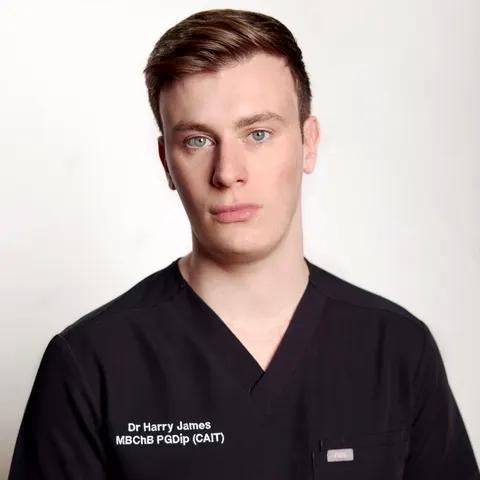
Aesthetic doctor and clinical director of Dr Harry Clinic, Chiswick and Covent Garden. ACE Group World faculty. GMC 7528423. About Dr Harry
Keep reading