
- Home
- Blog
- Medical Treatments
- Why Your Face Goes Red: Facial Flushing and Blushing Explained
Medical Treatments · Treatment Guides
Why Your Face Goes Red: Facial Flushing and Blushing Explained
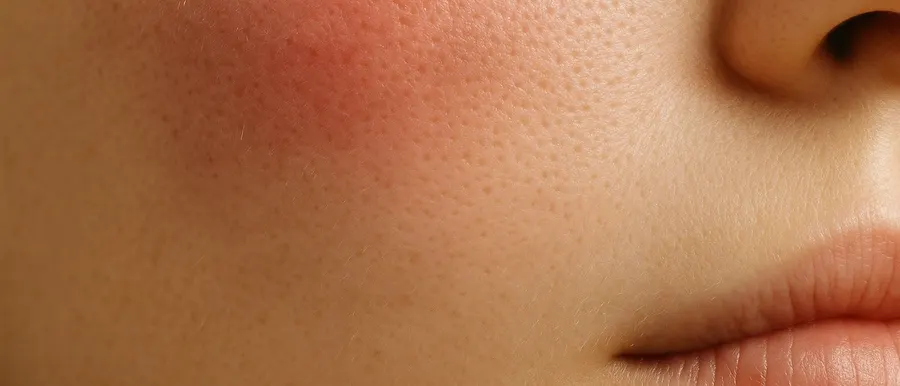
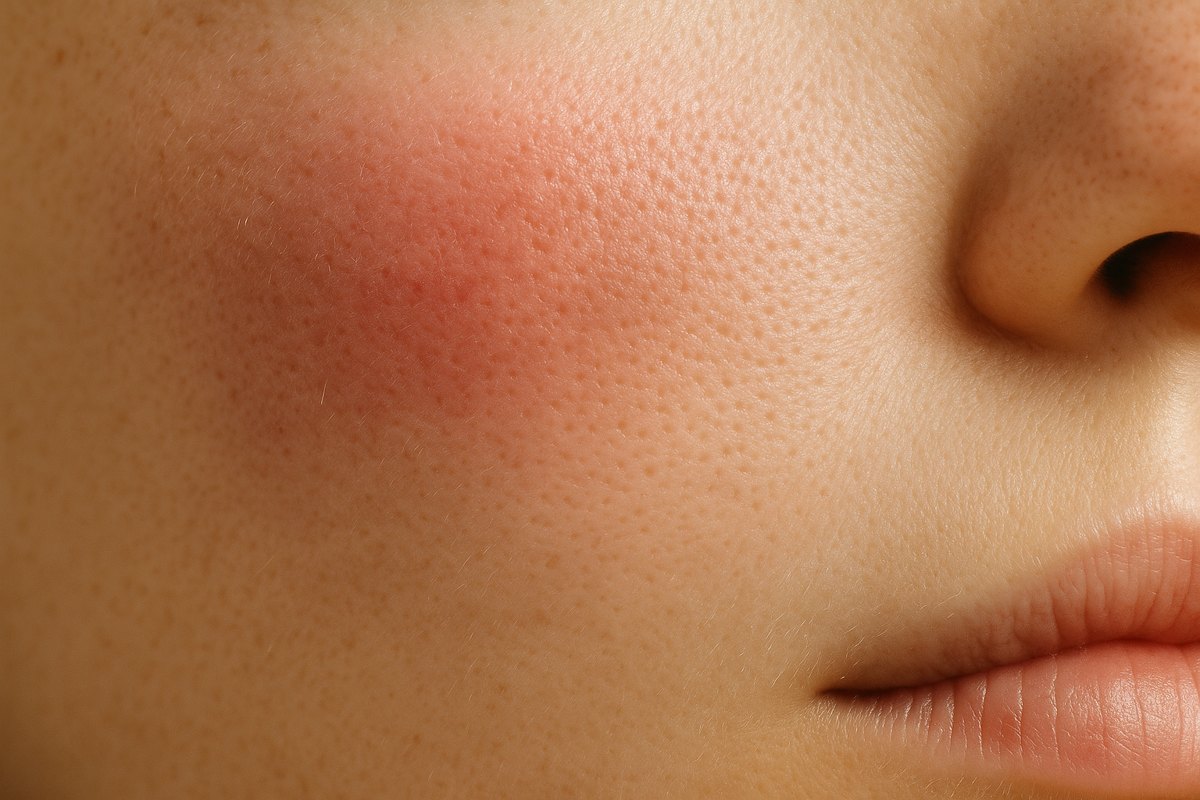
Why Your Face Goes Red
Facial flushing and blushing, what sits behind them, and what a medical clinic can actually change.
A face that goes red without warning is not vanity. It is a vascular response, and for a lot of people it fires far more often and far harder than it should. At Dr Harry Clinic, an aesthetic medicine clinic in Chiswick and Covent Garden, London, facial flushing is treated as a medical complaint rather than a cosmetic one, by GMC registered aesthetic doctor Dr Harry James. He has written on the clinic’s own treatment page that flushing is “something I’ve personally struggled with”, which is not a line most clinics put in writing.
This guide explains what is happening in the skin when you flush, what tends to set it off, where blushing and rosacea part company, and what therapeutic botulinum toxin can and cannot do about any of it.
Quick answer: Facial flushing happens when the small blood vessels near the surface of the skin dilate and let more blood through, which is why the redness arrives in seconds and usually fades on its own. Common drivers are rosacea, hormonal change including the menopause, emotional triggers, alcohol, spicy food, hot drinks, caffeine, temperature swings and some medicines. Where the response is exaggerated or frequent, small doses of botulinum toxin placed superficially can calm the nerve signalling that drives vessel dilation, reducing how often flushing happens and how intense it is. Most people notice the difference within two to four weeks, and the effect typically holds for four to six months.
In this guide:
- What is actually happening when your face goes red
- Blushing, flushing and rosacea are not the same thing
- The triggers worth tracking
- Menopause, hot flushes and the face
- How botulinum toxin works on flushing
- Who this suits, and who it does not
- What the appointment involves
- What to do alongside treatment
- Frequently asked questions
What is actually happening when your face goes red
The skin of the face carries a dense network of small blood vessels sitting very close to the surface, and those vessels are under nerve control. When the nerves signal them to widen, more blood arrives in the superficial layer and the skin reads as red and warm. It is the same mechanism that makes you go pink after a run. Flushing is that mechanism firing at the wrong time, or firing far too readily.
Two things make the face the place it shows. The vessels are more superficial there than almost anywhere else on the body, and the cheeks, nose and central forehead have a higher density of them. That is why the colour lands in a butterfly pattern across the cheeks and nose rather than spreading evenly, and why a scarf does nothing to hide it.
The frustrating part is the loop. The flush is visible, being seen flushing is uncomfortable, discomfort drives the same fight or flight response that caused the flush, and the colour deepens. Plenty of people arrive at a consultation describing that loop before they describe the redness itself.
Blushing, flushing and rosacea are not the same thing
These three words get used interchangeably and they should not be. The distinction changes what treatment is appropriate, which is why the consultation spends time on it.
| What it is | How it behaves | What tends to help |
|---|---|---|
| Blushing | Sudden colour tied to an emotional moment. Arrives fast, fades within minutes, no lasting change to the skin | Reducing the visible vascular response. Treatment does not touch the emotion, only what the face does with it |
| Flushing | Redness and warmth triggered by heat, alcohol, food, hormones or nothing you can name. May happen many times a day | Trigger identification alongside vascular modulation with botulinum toxin |
| Rosacea | A chronic inflammatory skin condition. Flushing is one feature, but there are usually others such as papules, pustules or visible capillaries that persist between episodes | Dermatological management first. Vascular treatment can sit alongside it, but it does not replace it |
If you have bumps, pustules or visible thread veins that are there on a calm day as well as a bad one, that is rosacea territory and it needs a dermatological opinion. Dr Harry works alongside skin specialists where that is the picture, rather than treating the redness in isolation and leaving the inflammation running underneath.
The triggers worth tracking
Most people can name one trigger and are wrong about how many they have. A fortnight of noting the time, the setting and what came before each episode is worth more at consultation than any description from memory.
- Temperature. Walking from a cold street into a heated room, hot showers, direct sun on the face.
- Alcohol. Red wine and spirits more often than beer, and the effect is dose related for most people rather than all or nothing.
- Food and drink. Spicy food, hot drinks and caffeine. The temperature of the drink matters as much as what is in it.
- Emotion. Stress, embarrassment, being put on the spot, and for many people simply being looked at.
- Hormones. Perimenopause and menopause, and cyclical change before that.
- Medicines. Several classes can cause flushing as a recognised effect. Bring your current list to the appointment rather than trying to recall it.
- Skincare. Acids, retinoids and physical scrubs on skin that is already reactive.
Menopause, hot flushes and the face
Hormonal change is one of the most common reasons a woman in her forties or fifties starts flushing when she never did before. A hot flush brings sudden warmth, redness across the face and neck, and often sweating with it. It is not the same as blushing, and it does not respond to the things that help blushing.
This is worth saying plainly. Treating the visible flush does not treat the menopause. If hot flushes are disrupting your sleep, your temperature regulation and your day, that is a conversation for your GP or a menopause specialist, and it should happen whether or not you also want the facial redness reduced. What a clinic like ours can do is reduce the redness on the face itself, which for many people is the part that affects how they feel in a meeting or across a dinner table. Both things can be true at once.
Worth checking first. Flushing that is new, one sided, comes with palpitations, diarrhoea, unexplained weight loss or drenching night sweats should be assessed by your GP before any aesthetic treatment. Those are uncommon patterns, but they belong to a medical work up rather than a clinic appointment, and a doctor who tells you otherwise is not doing you a favour.
How botulinum toxin works on flushing
Most people know botulinum toxin as a wrinkle treatment, where it is placed into a muscle to reduce its pull. Its use in flushing is a different application of the same molecule, and it is one of several therapeutic uses at this clinic alongside excessive sweating, migraine and jaw clenching.
For flushing, the target is not muscle. Small, low doses are placed superficially, in the layer where the vessels and the nerve endings that control them sit, across whichever regions actually flush. That is usually the cheeks, sometimes the nose, sometimes the forehead. By damping the overactive signalling that tells those vessels to dilate, both the frequency and the intensity of episodes come down.
The depth is the whole point of the technique. Placed superficially and in low dose, it does not reach the muscles of facial expression, so smiling, frowning and speaking are unaffected. Getting that wrong is what produces a stiff face, which is why this is not a treatment to shop on price.
| Stage | What happens |
|---|---|
| Day of treatment | Assessment, mapping of the flushing pattern, then a series of small superficial injections. Minor redness at the points is normal |
| Week 1 | Early change for some people, but this is not the point to judge it |
| Weeks 2 to 4 | The reduction in frequency and intensity is usually clear by this stage |
| Months 4 to 6 | The effect gradually wears off and episodes return towards baseline |
| Ongoing | Most people repeat two to three times a year to hold the result |
It is worth being clear about what this does not do. It does not cure rosacea, it does not remove thread veins that are already visible, and it does not change what makes you blush. It reduces what your face does in response. For a lot of people that is the part that mattered.
Who this suits, and who it does not
Our view, and it is a view rather than a rule, is that this treatment earns its place for people whose flushing is frequent, unpredictable and disproportionate to the trigger, and it is the wrong first move for people whose main problem is fixed redness.
| Likely to suit you | Look elsewhere first |
|---|---|
| Episodes that come and go, several times a week or several times a day | Redness that is there constantly and does not fade |
| Blushing that fires in social or professional settings out of proportion to the moment | Visible broken capillaries as the main complaint, which respond to vascular laser rather than to this |
| Menopausal facial flushing where the redness itself is the concern | Active inflammatory rosacea with papules and pustules, which needs dermatological treatment first |
| Flushing that has not responded to trigger avoidance | New flushing with systemic symptoms, which needs a GP assessment before anything cosmetic |
What the appointment involves
Every course starts with a medical consultation, not a treatment. Dr Harry maps the pattern rather than the redness: which triggers set it off, how often episodes happen, how long they last, whether burning, stinging or sweating come with them, and whether anything else is going on such as rosacea or a hormonal cause.
That mapping is what decides where the product goes. Someone who flushes across the cheeks with alcohol and someone whose forehead and nose light up with heat do not get the same injection map, and treating both as one pattern is how you end up with patchy results or a rebound at the edges.
Appointments run at both clinics: Chiswick, at 300 Chiswick High Road, W4 1NP, and Covent Garden, at Jubilee Hall, 30 The Piazza, WC2E 8BE, two minutes from Covent Garden station.
What to do alongside treatment
Treatment lowers the response. Managing the triggers lowers how often the response is called for, and the two together beat either alone.
- Keep a short trigger note for two weeks, then look for the pattern rather than the incident.
- Daily broad spectrum SPF. Sun is both a trigger and a long term driver of vessel change.
- Simplify the routine while your skin is reactive. Barrier repair before actives, and reintroduce acids and retinoids slowly.
- Cool the room rather than cooling the face. A sudden cold flannel on hot skin can set off the next episode.
- If alcohol is a trigger, note which drink and how much. It is rarely all of them equally.
For broader context on how medical uses of this molecule differ from cosmetic ones, our guide to the medical applications of botulinum toxin covers migraine, sweating, jaw clenching and facial flushing together. If sweating is part of your picture, the hyperhidrosis guide goes into that side in detail, and how anti-wrinkle injections work explains the mechanism at the muscle for comparison.
Talk it through with a doctor
Bring your triggers and your medication list. We will tell you if this is the right treatment, and if it is not.
Frequently asked questions
Can botulinum toxin stop blushing?
It can reduce it rather than stop it. Placed superficially and in low doses across the areas that flush, it calms the nerve signalling that drives the small vessels to dilate, so the colour is less intense and arrives less often. It does not alter the emotional trigger, only the visible response to it. Many people find that the two are linked, and that being less worried about going red means it happens less.
Will it freeze my face or change my expressions?
No, when it is placed correctly. The injections for flushing sit in a superficial layer at low dose, above the muscles of facial expression, so smiling, frowning and speaking are unaffected. Expression changes come from product reaching muscle, which is a technique failure rather than an expected outcome.
How long until I see a difference, and how long does it last?
Most people report a clear reduction in how often and how strongly they flush within two to four weeks. The effect typically lasts four to six months, after which episodes gradually return towards baseline. Repeating two to three times a year keeps it steady for most patients.
Is facial flushing the same as rosacea?
No. Flushing is a temporary vascular response. Rosacea is a chronic inflammatory skin condition in which flushing is one feature among others such as papules, pustules and persistent visible capillaries. Vascular treatment can sit alongside rosacea care, but it does not replace it, and where rosacea is active we work with dermatology colleagues rather than treating the redness alone.
Can menopause cause facial flushing?
Yes. Hormonal change during perimenopause and menopause is one of the most common causes of new facial flushing, and hot flushes bring sudden warmth, redness across the face and neck and often sweating. Treating the facial redness does not treat the menopause, so if hot flushes are affecting your sleep or your day, that belongs with your GP or a menopause specialist as well.
Why does my face go red when I drink alcohol?
Alcohol widens the small blood vessels in the skin and, in some people, produces a byproduct during metabolism that provokes a stronger flushing response. It is usually dose related and often drink specific, so noting which drink and how much is more useful than avoiding alcohol altogether from the start.
Will this get rid of the thread veins on my cheeks and nose?
No. Visible broken capillaries that are present all the time are a structural change to the vessel, not an episode of dilation, and they respond to vascular laser rather than to this treatment. If those are your main concern, say so at consultation and we will tell you plainly that this is not the right treatment for them.
Does it hurt, and is there any downtime?
The injections are superficial and use a fine needle, so most people describe it as brief stinging rather than pain. Small red points at the injection sites are usual for a short time afterwards, and occasional light bruising can happen as with any injectable. Most patients go back to their day straight away.
Can men have this treatment?
Yes. Flushing and blushing are common in men and the assessment and technique are the same. Dose is judged on the pattern and the area being treated rather than on gender.
This article is general information and is not a substitute for a personal medical consultation. Suitability, risks and alternatives are assessed individually. To arrange an assessment with Dr Harry James, book at our Chiswick or Covent Garden clinic via the appointment page, or call 020 3633 8687.
About the author
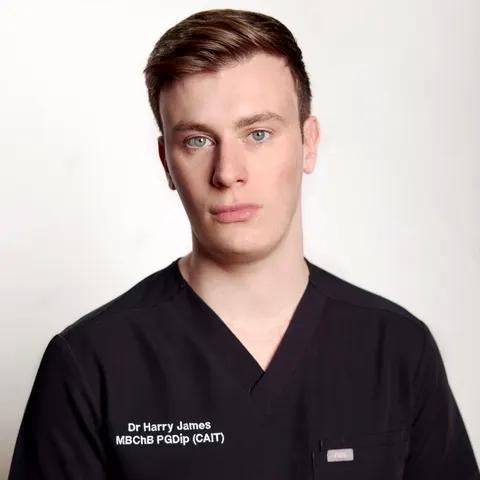
Aesthetic doctor and clinical director of Dr Harry Clinic, Chiswick and Covent Garden. ACE Group World faculty. GMC 7528423. About Dr Harry
Keep reading
Related articles

Bell’s Palsy After Recovery: Treating Facial Asymmetry and Synkinesis
Botulinum toxin does not cure Bell’s palsy. It treats what it can leave behind: asymmetry between the two sides and synkinesis. What it…
Is Profhilo Safe? Side Effects, Risks and What Lowers Them
Profhilo has a strong safety record when it is assessed and given by a trained medical injector. What is normal, what is rare, who should…
Lip Flip vs Lip Filler: Which Lip Treatment Is Right for You?
A lip flip changes position, lip filler changes shape. Dr Harry James compares the two treatments side by side: results, longevity,…