
- Home
- Blog
- Skin Boosters
- Common Skin Concerns: Medical Approaches to Treatment
Common Skin Concerns: Medical Approaches to Treatment

Skin concerns affect virtually everyone at some point in their lives, ranging from minor cosmetic issues to more significant conditions that impact confidence and quality of life. Understanding these common concerns and the medical approaches available for their treatment empowers individuals to make informed decisions about their skin health whilst recognising when professional intervention may be beneficial.
The skin, as the body’s largest organ, serves multiple vital functions including protection, temperature regulation, and sensory perception. When skin concerns arise, they can affect not only physical appearance but also psychological well-being, social interactions, and overall quality of life. Modern medical approaches to skin concerns have evolved significantly, offering effective solutions that address both the underlying causes and visible symptoms.
The distinction between cosmetic concerns and medical conditions is often less clear than many people realise. Many skin issues that appear purely cosmetic may have underlying medical components, whilst conditions traditionally considered medical problems often have significant aesthetic implications. This overlap has led to the development of medical aesthetic approaches that address both functional and cosmetic aspects of skin health.
The evolution of treatment options for common skin concerns has been remarkable, with advances in understanding skin biology, development of new technologies, and refinement of existing treatments providing more effective and accessible solutions than ever before. These advances have made it possible to address previously untreatable conditions whilst improving outcomes for traditional concerns.
The importance of professional assessment and treatment cannot be overstated when dealing with skin concerns. Whilst many products and treatments are available for home use, the complexity of skin biology and the potential for underlying medical conditions make professional evaluation crucial for optimal outcomes and safety.
This comprehensive guide examines the most common skin concerns encountered in clinical practice, exploring their causes, characteristics, and the medical approaches available for effective treatment.
Understanding Skin Biology and Ageing
The Structure and Function of Healthy Skin
Understanding normal skin structure and function provides the foundation for recognising and addressing common skin concerns effectively. The skin consists of three primary layers, each with specific functions and characteristics that contribute to overall skin health and appearance.
The epidermis, the outermost layer, serves as the primary barrier against environmental damage and consists of several sublayers that constantly renew themselves through cellular turnover. This process of renewal typically takes 28 days in young, healthy skin but can slow significantly with age, leading to various skin concerns.
The dermis, the middle layer, contains the structural proteins collagen and elastin that provide skin strength, elasticity, and firmness. This layer also houses blood vessels, nerve endings, hair follicles, and sebaceous glands, all of which play important roles in skin health and appearance.
The hypodermis, or subcutaneous layer, consists primarily of fat cells that provide insulation and cushioning whilst also contributing to facial volume and contour. Changes in this layer with ageing can significantly affect facial appearance and skin quality.
The skin’s barrier function is crucial for maintaining hydration, preventing infection, and protecting against environmental damage. When this barrier is compromised, various skin concerns can develop, including dryness, sensitivity, and increased susceptibility to damage.
Cellular turnover and renewal processes are fundamental to maintaining healthy skin appearance. As these processes slow with age or become disrupted by various factors, dead skin cells can accumulate, leading to dullness, rough texture, and other common concerns.
The skin’s natural repair mechanisms work continuously to address minor damage and maintain optimal function. Understanding these processes helps explain why certain treatments are effective and how they can be optimised for individual needs.
Hormonal influences on skin function are significant, affecting everything from oil production to cellular renewal rates. These influences help explain why skin concerns often correlate with life stages and hormonal changes.
Environmental factors including sun exposure, pollution, and climate conditions significantly impact skin health and contribute to many common concerns. Understanding these influences is crucial for both prevention and treatment strategies.
The Ageing Process and Its Effects
Skin ageing is a complex process involving both intrinsic factors related to genetics and time, and extrinsic factors primarily related to environmental exposure, particularly sun damage. Understanding these processes helps explain the development of age-related skin concerns and guides treatment approaches.
Intrinsic ageing, also called chronological ageing, occurs naturally over time and is influenced by genetic factors. This process typically begins in the mid-twenties with gradual decreases in collagen production, cellular renewal rates, and skin thickness, leading to fine lines, loss of firmness, and changes in skin texture.
Extrinsic ageing, primarily caused by ultraviolet radiation from sun exposure, accounts for up to 80% of visible facial ageing. This process, called photoageing, leads to wrinkles, pigmentation changes, loss of elasticity, and various textural changes that often appear much earlier than intrinsic ageing effects.
Collagen degradation is a central component of skin ageing, with production decreasing by approximately 1% per year after age 25. This loss of structural protein leads to decreased skin firmness, the development of wrinkles, and changes in facial contour that characterise aged skin.
Elastin changes contribute to loss of skin elasticity and the development of sagging, particularly in areas subject to repeated movement like around the eyes and mouth. These changes are accelerated by sun exposure and other environmental factors.
Cellular renewal rates slow significantly with age, leading to accumulation of dead skin cells, decreased skin radiance, and impaired healing responses. This slowdown also affects the skin’s ability to respond to treatments and maintain optimal appearance.
Hormonal changes, particularly the decrease in oestrogen during menopause, significantly accelerate skin ageing processes, leading to increased dryness, decreased thickness, and accelerated loss of collagen and elastin.
Vascular changes in ageing skin include decreased blood flow and changes in capillary structure that can lead to poor skin colour, decreased healing capacity, and increased susceptibility to various skin concerns.
The cumulative effect of these ageing processes creates the complex pattern of skin concerns that characterise mature skin, requiring comprehensive treatment approaches that address multiple underlying factors.
Factors Contributing to Skin Concerns
Numerous factors contribute to the development of common skin concerns, ranging from genetic predisposition to lifestyle choices and environmental exposures. Understanding these factors helps guide both prevention and treatment strategies.
Genetic factors play significant roles in determining skin type, ageing patterns, and susceptibility to various skin concerns. While genetic predisposition cannot be changed, understanding these factors helps guide appropriate prevention and treatment strategies.
Sun exposure remains the single most significant environmental factor contributing to skin concerns, causing immediate damage like sunburn and long-term effects including premature ageing, pigmentation changes, and increased skin cancer risk.
Lifestyle factors including diet, sleep, stress levels, and exercise significantly impact skin health and appearance. Poor lifestyle choices can accelerate ageing processes and contribute to various skin concerns, whilst healthy habits can help maintain optimal skin function.
Hormonal fluctuations throughout life, including puberty, pregnancy, and menopause, significantly affect skin function and can trigger or worsen various skin concerns. Understanding these relationships helps guide treatment timing and approaches.
Environmental pollutants and toxins contribute to skin damage through oxidative stress and inflammatory processes. Urban environments with high pollution levels often correlate with increased skin concerns and accelerated ageing.
Skincare habits and product choices can either support or compromise skin health. Inappropriate products, over-treatment, or neglect can contribute to various skin concerns, whilst proper skincare can help prevent and address many issues.
Medical conditions and medications can significantly affect skin appearance and function. Conditions like diabetes, thyroid disorders, and autoimmune diseases can manifest in skin changes, whilst medications may cause side effects that affect skin health.
Occupational exposures to chemicals, extreme temperatures, or other environmental factors can contribute to skin concerns, particularly in individuals with prolonged or repeated exposures.
Acne and Blemish-Related Concerns
Understanding Acne Development and Types
Acne is one of the most common skin concerns, affecting approximately 85% of people at some point in their lives. Understanding the development and types of acne is crucial for effective treatment and management.
The pathophysiology of acne involves four primary factors: increased sebum production, abnormal keratinisation of hair follicles, bacterial colonisation with Propionibacterium acnes, and inflammatory responses. These factors interact in complex ways to create the various manifestations of acne.
Hormonal influences, particularly androgens, play central roles in acne development by stimulating sebaceous gland activity and increasing sebum production. This explains why acne often begins during puberty and can fluctuate with hormonal changes throughout life.
Comedonal acne, characterised by blackheads and whiteheads, represents the mildest form of acne and results from follicular plugging without significant inflammation. These lesions respond well to topical treatments that promote cellular turnover and prevent follicular obstruction.
Inflammatory acne includes papules, pustules, and more severe nodular or cystic lesions that involve significant inflammatory responses. These forms of acne often require more aggressive treatment approaches and carry higher risks of scarring.
Adult acne has become increasingly common, particularly among women, and often presents differently from adolescent acne with more inflammatory lesions around the jawline and lower face. This type of acne often requires different treatment approaches than teenage acne.
Acne scarring can result from inflammatory acne lesions and represents a significant long-term consequence that can impact quality of life. Understanding scarring risk helps guide treatment intensity and timing to prevent permanent damage.
The psychological impact of acne can be significant, affecting self-esteem, social interactions, and quality of life. This impact often persists even after acne clears, highlighting the importance of effective treatment and support.
Medical Treatment Approaches for Acne
Modern medical approaches to acne treatment are highly effective and can address both active lesions and prevent future breakouts. Treatment selection depends on acne type, severity, and individual patient factors.
Topical retinoids are considered first-line therapy for most forms of acne due to their ability to normalise follicular keratinisation, reduce comedone formation, and provide anti-inflammatory effects. These medications require proper introduction and patient education to minimise side effects.
Topical antibiotics, particularly clindamycin and erythromycin, help reduce bacterial colonisation and inflammation in acne lesions. These are typically used in combination with other treatments to prevent bacterial resistance.
Benzoyl peroxide provides antibacterial effects and helps prevent bacterial resistance when used with topical antibiotics. It also has mild comedolytic properties and can be effective for both inflammatory and comedonal acne.
Oral antibiotics, including tetracyclines, are used for moderate to severe inflammatory acne and work through both antibacterial and anti-inflammatory mechanisms. Long-term use requires monitoring and consideration of resistance development.
Hormonal therapies, including oral contraceptives and anti-androgen medications, can be highly effective for women with hormonally influenced acne. These treatments address underlying hormonal triggers rather than just treating symptoms.
Isotretinoin represents the most effective treatment for severe acne and works by addressing all four factors in acne development. This medication requires careful monitoring and patient counselling due to potential side effects.
Chemical peels using salicylic acid, glycolic acid, or other agents can help improve comedonal acne and mild inflammatory lesions whilst also addressing post-inflammatory pigmentation and mild scarring.
Light and laser therapies offer additional options for acne treatment, particularly for patients who cannot tolerate or do not respond to conventional treatments. These approaches target bacteria and reduce inflammation.
Post-Acne Scarring and Pigmentation
Acne scarring and post-inflammatory pigmentation represent common long-term consequences of acne that can significantly impact appearance and quality of life. Understanding these conditions and available treatments is crucial for comprehensive acne management.
Atrophic scarring, including ice pick, boxcar, and rolling scars, results from loss of tissue during the inflammatory process. Each type of scar requires different treatment approaches based on its characteristics and depth.
Hypertrophic and keloid scarring, though less common on the face, can occur in individuals with genetic predisposition and typically require different treatment approaches than atrophic scarring.
Post-inflammatory hyperpigmentation (PIH) is particularly common in individuals with darker skin types and can persist for months or years after acne lesions heal. This condition often causes more distress than the original acne.
Post-inflammatory erythema (PIE) appears as red or pink marks and is more common in lighter skin types. This condition typically resolves more quickly than PIH but can still persist for several months.
Treatment approaches for acne scarring include resurfacing procedures like chemical peels, microneedling, and laser treatments that stimulate collagen production and improve skin texture. The choice of treatment depends on scar type and severity.
Injectable treatments including dermal fillers can provide immediate improvement for certain types of atrophic scarring, particularly rolling scars, though results are temporary and require maintenance.
Combination treatment approaches often provide the best outcomes for acne scarring, addressing different aspects of the problem simultaneously and maximising improvement whilst minimising downtime.
Prevention of scarring through early and effective acne treatment is always preferable to treating established scarring. This highlights the importance of seeking professional treatment for acne before scarring develops.
Pigmentation Disorders and Uneven Skin Tone
Types of Pigmentation Concerns
Pigmentation disorders represent some of the most common skin concerns, affecting individuals of all ages and skin types. Understanding the different types of pigmentation issues is essential for selecting appropriate treatment approaches.
Melasma, often called the “mask of pregnancy,” is characterised by symmetric brown patches typically on the face and is strongly influenced by hormonal changes and sun exposure. This condition is particularly common in women of reproductive age and can be challenging to treat.
Solar lentigines, commonly known as age spots or sun spots, result from cumulative sun exposure and appear as well-defined brown spots typically on sun-exposed areas. These lesions become more common with age and sun exposure history.
Post-inflammatory hyperpigmentation (PIH) can result from any inflammatory skin condition, including acne, eczema, or injury. This type of pigmentation is particularly common in individuals with darker skin types and can persist for extended periods.
Café-au-lait spots and other congenital pigmentation disorders may be present from birth or develop during childhood. While usually benign, these conditions may require evaluation to rule out associated medical conditions.
Drug-induced hyperpigmentation can result from various medications, including antimalarials, chemotherapy agents, and certain antibiotics. This type of pigmentation often has characteristic patterns and may improve after discontinuing the causative medication.
Vitiligo represents a loss of pigmentation rather than excess pigmentation and requires different treatment approaches. This autoimmune condition can significantly impact quality of life and requires specialised management.
Seborrhoeic keratoses, while technically not pigmentation disorders, often present as pigmented lesions and are extremely common with ageing. These benign growths can be cosmetically concerning and may require removal.
The assessment of pigmentation disorders requires careful evaluation to distinguish between different types and rule out potentially serious conditions like melanoma. Professional evaluation is essential for proper diagnosis and treatment planning.
Causes and Contributing Factors
Understanding the causes and contributing factors for pigmentation disorders is crucial for both treatment and prevention strategies. Multiple factors often interact to create and maintain pigmentation concerns.
Ultraviolet radiation is the primary environmental factor contributing to most pigmentation disorders. Both UVA and UVB radiation stimulate melanin production and can trigger or worsen existing pigmentation concerns.
Hormonal influences, particularly oestrogen and progesterone, significantly affect melanin production and distribution. This explains why pigmentation concerns often develop or worsen during pregnancy, with oral contraceptive use, or during hormone replacement therapy.
Genetic factors determine baseline skin colour and susceptibility to pigmentation disorders. Individuals with certain genetic backgrounds are more prone to specific types of pigmentation concerns and may require different treatment approaches.
Inflammatory processes in the skin can trigger melanin production and lead to post-inflammatory hyperpigmentation. This can result from acne, eczema, injuries, or aggressive skincare treatments.
Age-related changes in skin structure and function contribute to the development of pigmentation concerns, with decreased cellular turnover and accumulated sun damage becoming more apparent over time.
Medications and chemicals can cause pigmentation changes through various mechanisms, including direct deposition of pigmented compounds or stimulation of melanin production. Common culprits include antimalarials, phenothiazines, and certain chemotherapy agents.
Heat exposure, including from cooking, saunas, or hot climates, can contribute to certain types of pigmentation, particularly melasma. This factor is often overlooked but can be significant in treatment planning.
Nutritional factors and oxidative stress may contribute to pigmentation disorders through their effects on cellular function and antioxidant capacity. Addressing these factors may support treatment outcomes.
Treatment Approaches for Pigmentation
Modern treatment approaches for pigmentation disorders are highly effective when properly selected and implemented. Treatment success depends on accurate diagnosis, appropriate treatment selection, and patient compliance with prevention measures.
Topical depigmenting agents remain the foundation of pigmentation treatment, with hydroquinone being the gold standard for many conditions. These agents work by inhibiting melanin production and promoting cellular turnover to remove existing pigmentation.
Tretinoin and other retinoids enhance the effectiveness of depigmenting agents whilst also providing independent benefits for pigmentation through their effects on cellular turnover and skin renewal.
Chemical peels using glycolic acid, salicylic acid, or other agents can effectively treat superficial pigmentation whilst also improving overall skin texture and appearance. Peel selection depends on skin type and pigmentation depth.
Laser and light-based treatments offer highly effective options for many types of pigmentation, particularly solar lentigines and some forms of melasma. These treatments require careful selection based on skin type and pigmentation characteristics.
Intense pulsed light (IPL) treatments can effectively address multiple pigmentation concerns simultaneously whilst also improving overall skin tone and texture. These treatments are particularly effective for sun damage and age spots.
Microneedling with or without topical agents can improve pigmentation through stimulation of cellular turnover and enhanced penetration of active ingredients. This approach is particularly useful for post-inflammatory hyperpigmentation.
Combination treatment approaches often provide superior results compared to single treatments, addressing pigmentation through multiple mechanisms whilst minimising individual treatment intensity.
Prevention measures, particularly sun protection, are crucial for treatment success and preventing recurrence. Without adequate sun protection, most pigmentation treatments will have limited long-term success.
Textural Concerns and Skin Quality Issues
Understanding Skin Texture Problems
Skin texture concerns encompass a wide range of issues that affect the smoothness, evenness, and overall quality of skin appearance. These concerns can significantly impact how skin looks and feels, often ageing the appearance more than wrinkles alone.
Rough skin texture can result from accumulated dead skin cells, sun damage, dehydration, or underlying skin conditions. This concern often makes skin appear dull and aged whilst also affecting makeup application and overall appearance.
Large or prominent pores are among the most common texture concerns, particularly in areas with high sebaceous gland density like the T-zone. While pore size is largely determined by genetics, various factors can make pores appear larger or more prominent.
Acne scarring creates textural irregularities that can persist long after acne has resolved. These scars can range from shallow depressions to deep pitted areas that significantly affect skin smoothness and light reflection.
Fine lines and wrinkles, while often considered separate concerns, significantly contribute to skin texture issues. These changes in skin surface create shadows and irregularities that affect overall skin appearance.
Keratosis pilaris, characterised by small bumps typically on the arms and legs, represents a common textural concern that can also affect facial skin in some individuals. This condition results from keratin buildup in hair follicles.
Sun damage creates various textural changes including roughness, irregular pigmentation, and loss of skin elasticity. These changes often occur gradually and may not be immediately apparent until they become significant.
Dehydration and barrier dysfunction can create textural concerns including flakiness, roughness, and increased sensitivity. These issues often improve dramatically with appropriate hydration and barrier repair.
Age-related changes in cellular turnover contribute to textural concerns as dead skin cells accumulate more readily and skin renewal processes slow down. This creates a cycle where texture continues to worsen without intervention.
Causes of Textural Changes
Understanding the underlying causes of textural changes is essential for selecting appropriate treatment approaches and preventing further deterioration of skin quality.
Cellular turnover disruption is a primary cause of textural concerns, as the normal process of skin renewal slows with age or becomes disrupted by various factors. This leads to accumulation of dead skin cells and rough, uneven texture.
Collagen and elastin degradation significantly affect skin texture by reducing structural support and elasticity. This degradation accelerates with sun exposure, age, and various environmental factors.
Sebaceous gland activity affects skin texture through its influence on pore appearance and skin surface characteristics. Overactive glands can lead to enlarged pores and rough texture, whilst underactive glands can cause dryness and flakiness.
Environmental damage from sun exposure, pollution, and other factors creates cumulative textural changes that worsen over time. This damage affects multiple aspects of skin structure and function.
Hormonal influences affect skin texture through their effects on oil production, cellular turnover, and collagen synthesis. Hormonal changes can trigger or worsen textural concerns, particularly during menopause.
Genetic factors determine baseline skin characteristics and susceptibility to textural concerns. Some individuals are genetically predisposed to certain texture issues and may require more intensive prevention and treatment approaches.
Lifestyle factors including diet, hydration, sleep, and stress levels significantly impact skin texture through their effects on cellular function and repair processes. Poor lifestyle choices can accelerate textural deterioration.
Skincare habits and product choices can either improve or worsen textural concerns. Inappropriate products or techniques can damage the skin barrier and create textural problems, whilst proper care can significantly improve texture.
Treatment Options for Texture Improvement
Modern treatment approaches for textural concerns are highly effective and can significantly improve skin smoothness, evenness, and overall quality. Treatment selection depends on the specific type and severity of textural concerns.
Chemical peels represent one of the most effective approaches for textural improvement, using various acids to remove damaged surface skin and stimulate renewal processes. Peel depth and type are selected based on specific textural concerns and skin characteristics.
Microneedling stimulates collagen production and cellular turnover whilst creating channels for enhanced product penetration. This treatment is particularly effective for acne scarring and overall texture improvement.
Laser resurfacing treatments offer precise control over treatment depth and can address severe textural concerns including deep scarring and significant sun damage. These treatments require careful selection and post-treatment care.
Radiofrequency treatments heat deeper skin layers to stimulate collagen production and improve skin texture and firmness. These treatments are particularly effective for mild to moderate textural concerns with minimal downtime.
Dermabrasion and microdermabrasion physically remove surface skin layers to improve texture and promote renewal. These treatments can be effective for superficial textural concerns and are often combined with other approaches.
Topical treatments including retinoids, alpha hydroxy acids, and other active ingredients can significantly improve skin texture through their effects on cellular turnover and collagen production. These treatments often serve as maintenance therapy.
Professional skincare treatments including facials and specialised procedures can help maintain and improve skin texture between more intensive treatments. Regular professional care can prevent textural deterioration.
Combination treatment approaches often provide the best outcomes for textural concerns, addressing different aspects of the problem simultaneously whilst maximising improvement and minimising downtime.
Rosacea and Sensitive Skin Conditions
Understanding Rosacea and Its Manifestations
Rosacea is a chronic inflammatory skin condition that affects millions of people worldwide, characterised by persistent redness, visible blood vessels, and sometimes papules and pustules on the central face. Understanding this condition is crucial for effective management and quality of life improvement.
The pathophysiology of rosacea involves multiple factors including vascular dysfunction, inflammatory responses, altered immune function, and possibly microbial influences. These factors interact in complex ways to create the various manifestations of rosacea.
Erythematotelangiectatic rosacea, the most common subtype, is characterised by persistent central facial redness and visible blood vessels. This form often includes burning and stinging sensations and can significantly impact appearance and comfort.
Papulopustular rosacea involves inflammatory lesions that may resemble acne but typically occurs in the central face without comedones. This subtype can be particularly distressing due to its visible inflammatory nature.
Phymatous rosacea, though less common, involves thickening of the skin and irregular surface nodularities, most commonly affecting the nose. This subtype can significantly impact appearance and may require surgical intervention.
Ocular rosacea affects the eyes and eyelids, causing symptoms including dryness, irritation, burning, and sometimes vision problems. This manifestation is often overlooked but can significantly impact quality of life.
Triggers for rosacea flares vary among individuals but commonly include sun exposure, heat, spicy foods, alcohol, stress, and certain skincare products. Identifying and avoiding personal triggers is crucial for management.
The psychological impact of rosacea can be significant, with many patients reporting decreased self-confidence, social anxiety, and reduced quality of life. This impact often exceeds what might be expected from the visible symptoms alone.
Sensitive Skin and Barrier Dysfunction
Sensitive skin represents a complex condition characterised by heightened reactivity to stimuli that would normally be well-tolerated. Understanding this condition helps guide appropriate treatment and prevention strategies.
The skin barrier function is crucial for maintaining normal skin comfort and appearance. When this barrier is compromised, sensitivity, irritation, and various other concerns can develop, creating a cycle of worsening symptoms.
Causes of sensitive skin include genetic predisposition, environmental factors, inappropriate skincare practices, medical conditions, and age-related changes in skin structure and function. Multiple factors often contribute simultaneously.
Symptoms of sensitive skin can include burning, stinging, itching, tightness, and visible redness or irritation. These symptoms may be constant or triggered by specific stimuli, and can significantly impact daily life and skincare routines.
Contact dermatitis, both allergic and irritant types, represents a common cause of skin sensitivity and can result from exposure to various substances including skincare products, fragrances, and environmental allergens.
Seborrhoeic dermatitis is a common inflammatory condition that can cause sensitivity, redness, and flaking, particularly in areas with high sebaceous gland density. This condition often requires ongoing management.
Eczema and atopic dermatitis can cause significant skin sensitivity and barrier dysfunction, often beginning in childhood but sometimes persisting into or developing in adulthood. These conditions require comprehensive management approaches.
The relationship between sensitive skin and other skin concerns is complex, with sensitivity often complicating the treatment of conditions like acne, pigmentation, and ageing. This requires careful treatment planning and product selection.
Treatment Approaches for Rosacea and Sensitivity
Effective treatment of rosacea and sensitive skin conditions requires comprehensive approaches that address underlying inflammation, restore barrier function, and prevent triggering factors.
Topical anti-inflammatory treatments including metronidazole, azelaic acid, and calcineurin inhibitors can effectively reduce rosacea symptoms and improve skin comfort. These treatments often require several weeks to show full benefits.
Oral antibiotics, particularly tetracyclines, are effective for inflammatory rosacea through their anti-inflammatory rather than antibacterial effects. These medications can provide significant improvement but require monitoring for long-term use.
Gentle skincare approaches are crucial for manageing sensitive skin and rosacea, emphasising barrier repair, minimal irritation, and appropriate sun protection. Product selection requires careful consideration of ingredients and formulations.
Laser and light-based treatments can effectively address the vascular component of rosacea, reducing redness and visible blood vessels. These treatments require careful selection based on skin type and rosacea characteristics.
Trigger identification and avoidance represent fundamental aspects of rosacea management. Keeping a symptom diary can help identify personal triggers and guide lifestyle modifications.
Barrier repair treatments using ceramides, niacinamide, and other barrier-supporting ingredients can significantly improve sensitive skin conditions by restoring normal barrier function and reducing reactivity.
Professional treatments including gentle chemical peels and specialised facials can help improve rosacea and sensitive skin when performed by experienced practitioners using appropriate techniques and products.
Lifestyle modifications including stress management, dietary changes, and environmental controls can significantly impact rosacea and sensitive skin conditions, often providing benefits that complement medical treatments.
Age-Related Skin Changes
Understanding the Ageing Process
Skin ageing is a complex biological process that affects all aspects of skin structure and function, leading to visible changes that can significantly impact appearance and self-confidence. Understanding these changes helps guide effective treatment and prevention strategies.
Intrinsic ageing, also called chronological ageing, occurs naturally over time and is influenced primarily by genetic factors. This process typically begins in the mid-twenties with gradual decreases in collagen production, cellular renewal rates, and skin thickness.
Extrinsic ageing, primarily caused by environmental factors like sun exposure, accounts for the majority of visible facial ageing. This process can be largely prevented through appropriate protection and can be addressed through various treatment approaches.
Collagen loss is central to skin ageing, with production decreasing by approximately 1% per year after age 25. This loss of structural protein leads to decreased firmness, development of wrinkles, and changes in facial contour.
Elastin degradation contributes to loss of skin elasticity and the development of sagging, particularly in areas subject to repeated movement. This degradation is accelerated by sun exposure and other environmental factors.
Cellular turnover slows significantly with age, leading to accumulation of dead skin cells, decreased radiance, and impaired healing responses. This slowdown affects the skin’s ability to maintain optimal appearance and respond to treatments.
Hormonal changes, particularly the decrease in oestrogen during menopause, significantly accelerate skin ageing processes, leading to increased dryness, decreased thickness, and accelerated loss of structural proteins.
Vascular changes in ageing skin include decreased blood flow and changes in capillary structure that can lead to poor skin colour, decreased healing capacity, and increased susceptibility to various concerns.
The cumulative effect of these ageing processes creates the complex pattern of changes that characterise mature skin, requiring comprehensive treatment approaches that address multiple underlying factors.
Common Age-Related Concerns
Age-related skin concerns encompass a wide range of changes that affect both appearance and skin function. Understanding these concerns helps guide appropriate treatment selection and realistic expectation setting.
Fine lines and wrinkles represent the most recognisable signs of skin ageing, developing initially in areas of repeated muscle movement and gradually spreading to other areas. These changes result from loss of collagen and elastin combined with repeated mechanical stress.
Loss of facial volume occurs as subcutaneous fat decreases and shifts with age, leading to hollowing in areas like the temples and cheeks whilst creating accumulation in areas like the jowls and under the eyes.
Skin laxity and sagging develop as structural proteins degrade and skin loses its ability to maintain tight adherence to underlying structures. This process is accelerated by gravity, sun exposure, and genetic factors.
Age spots and pigmentation changes become increasingly common with age as cumulative sun damage becomes apparent and cellular repair mechanisms become less efficient. These changes can significantly affect skin appearance and evenness.
Skin texture changes including roughness, enlarged pores, and loss of radiance occur as cellular turnover slows and structural changes accumulate. These changes often age the appearance more than wrinkles alone.
Dryness and barrier dysfunction become more common with age as sebaceous gland activity decreases and barrier function becomes compromised. These changes can lead to increased sensitivity and delayed healing.
Thinning skin becomes more fragile and susceptible to injury whilst also appearing more translucent and showing underlying structures more readily. This thinning affects both appearance and skin function.
Delayed healing and recovery become more apparent with age as cellular repair mechanisms slow and blood flow decreases. This affects both natural healing and recovery from aesthetic treatments.
Anti-Ageing Treatment Strategies
Modern anti-ageing treatments offer highly effective options for addressing age-related skin changes, with approaches ranging from preventive measures to corrective treatments that can significantly improve appearance.
Topical anti-ageing treatments including retinoids, antioxidants, and peptides can significantly improve skin appearance through their effects on cellular turnover, collagen production, and protection against further damage.
Injectable treatments including neurotoxins and dermal fillers can address specific age-related changes like wrinkles and volume loss, providing immediate and significant improvements with minimal downtime.
Energy-based treatments including lasers, radiofrequency, and ultrasound can stimulate collagen production, improve skin texture, and address various age-related concerns through controlled heating of skin tissues.
Chemical peels can improve age-related changes through removal of damaged surface skin and stimulation of renewal processes. Peel selection depends on specific concerns and desired outcomes.
Microneedling stimulates natural repair processes and can improve various age-related concerns including fine lines, texture irregularities, and mild laxity through controlled micro-injury and healing responses.
Combination treatment approaches often provide superior results for age-related concerns, addressing multiple aspects of ageing simultaneously whilst maximising improvement and maintaining natural appearance.
Prevention strategies including sun protection, appropriate skincare, and lifestyle modifications remain the most effective approaches for minimising age-related skin changes and maintaining optimal skin health.
Professional guidance is crucial for developing effective anti-ageing strategies, as treatment selection depends on individual factors including skin type, specific concerns, lifestyle, and treatment goals.
Latest:
- Bell’s Palsy After Recovery: Treating Facial Asymmetry and Synkinesis
- Collagen Stimulators vs Skin Boosters: Which One Does Your Skin Need?
- Why Your Face Goes Red: Facial Flushing and Blushing Explained
- Is Profhilo Safe? Side Effects, Risks and What Lowers Them
- Profhilo vs Polynucleotides: Which Skin Quality Treatment Do You Need?
About the author
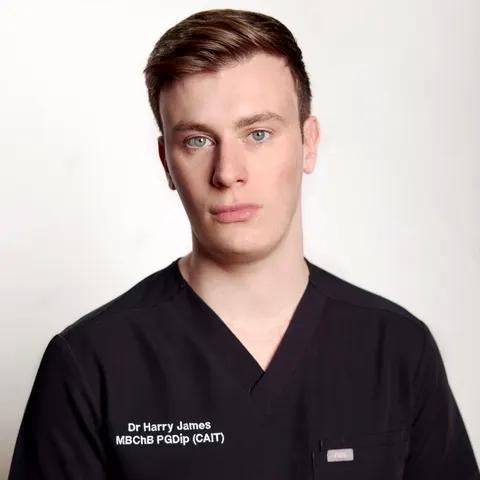
Aesthetic doctor and clinical director of Dr Harry Clinic, Chiswick and Covent Garden. ACE Group World faculty. GMC 7528423. About Dr Harry
Keep reading
Related articles
Collagen Stimulators vs Skin Boosters: Which One Does Your Skin Need?
A skin booster hydrates. A collagen stimulator makes your skin build new collagen. Dr Harry James explains which suits which patient, with…
Is Profhilo Safe? Side Effects, Risks and What Lowers Them
Profhilo has a strong safety record when it is assessed and given by a trained medical injector. What is normal, what is rare, who should…
Profhilo vs Polynucleotides: Which Skin Quality Treatment Do You Need?
Profhilo hydrates and firms. Polynucleotides repair and rebuild. A Dr Harry Clinic guide to which skin quality treatment suits which skin,…