
- Home
- Blog
- Midface & Cheeks
- Nasolabial Folds: What Causes Them and Why They Deepen With Age
Midface & Cheeks · Facial Anatomy & Ageing
Nasolabial Folds: What Causes Them and Why They Deepen With Age
Why Nasolabial Folds Deepen
The anatomy behind smile lines, and what actually changes them.
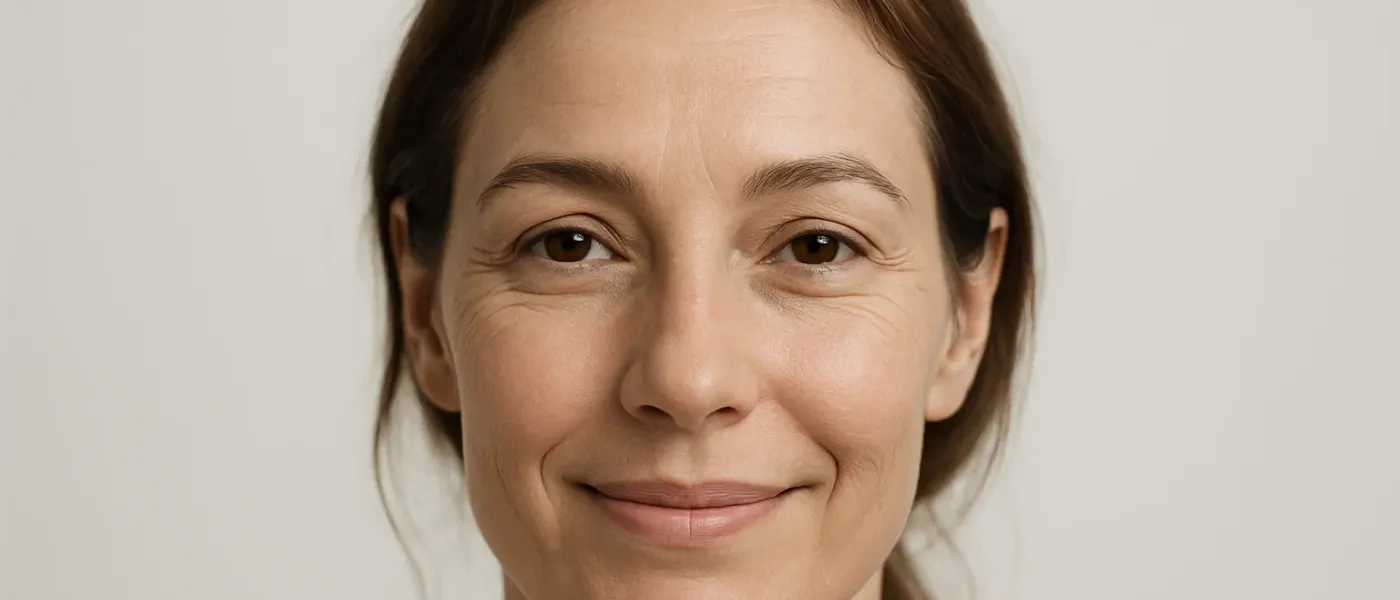
Nasolabial folds, the creases that run from the sides of the nose to the corners of the mouth, deepen because of what happens underneath them. Bone support reduces, the fat pads of the cheek lose volume and slide downwards, skin loses collagen and elastin, and years of expression fold the same line thousands of times. At Dr Harry Clinic, an aesthetic medicine clinic in Chiswick and Covent Garden, London, GMC registered aesthetic doctor Dr Harry James assesses which of those layers is driving your fold before deciding whether anything should be placed in the line at all.
This guide explains the anatomy in plain terms, what makes folds appear earlier in some people than others, what can and cannot be changed without injectables, and how nasolabial fold treatment is planned when it is the right answer.
Quick answer: nasolabial folds deepen with age because of four changes happening together. The facial skeleton, particularly the maxilla, resorbs and gives less support. The malar fat pads in the cheek shrink and descend. Skin loses collagen and elastin so it no longer springs back from folding. Repeated expression etches the line in. This is why filling the crease alone often disappoints: in many faces the fold is a shadow cast by the cheek above it, so restoring midface support is the change that actually softens it.
In this guide:
- The anatomy underneath the fold
- What changes with age
- Are nasolabial folds caused by a recessed maxilla?
- Why some people get folds earlier
- Can you soften folds without filler?
- How a fold is assessed
- Treatment approaches and techniques
- How we treat nasolabial folds at Dr Harry Clinic
- Frequently asked questions
The anatomy underneath the fold
Facial Muscle Architecture and Function
The formation and prominence of nasolabial folds are intimately connected to the complex architecture of facial muscles that control expression and facial movement. Understanding this muscular foundation is crucial for comprehending why nasolabial folds develop and how they can be effectively treated.
The levator labii superioris represents a key muscle in nasolabial fold formation, originating from the infraorbital rim and inserting into the upper lip. This muscle’s repeated contractions during smiling, speaking, and other expressions create mechanical stress along the nasolabial fold line, contributing to crease formation over time.
The zygomaticus major and minor muscles play crucial roles in nasolabial fold development through their actions in elevating the corner of the mouth during smiling and laughing. These muscles create dynamic forces that repeatedly fold the skin along the nasolabial line, leading to permanent crease formation with age.
The levator anguli oris contributes to nasolabial fold formation through its role in elevating the corner of the mouth and creating facial expressions. The repeated action of this muscle creates consistent folding patterns that become increasingly permanent as skin elasticity decreases with age.
The orbicularis oris muscle, which surrounds the mouth, interacts with other facial muscles to create complex expression patterns that influence nasolabial fold formation. The coordinated action of multiple muscles creates the dynamic forces responsible for fold development.
Muscle strength and usage patterns vary significantly between individuals, explaining why some people develop more prominent nasolabial folds earlier in life. Those with stronger facial muscles or more expressive communication styles may experience earlier and more severe fold formation.
The relationship between muscle action and skin response changes with age as skin loses elasticity and the ability to return to its original position after repeated folding. This progressive change explains why nasolabial folds become more prominent and persistent over time.
Bone Structure and Facial Support
The underlying bone structure of the face provides the foundation upon which soft tissues rest and significantly influences the development and prominence of nasolabial folds. Understanding these skeletal relationships is essential for comprehensive treatment planning.
The maxilla and its relationship to surrounding facial bones creates the basic framework that determines nasolabial fold positioning and prominence. Variations in maxillary projection and shape significantly influence how nasolabial folds develop and appear throughout life.
The pyriform aperture, or nasal opening in the skull, defines the medial boundary of the nasolabial fold region and influences how soft tissues drape over the underlying bone structure. Changes in this area with ageing can affect fold prominence.
Age-related bone remodelling in the midface leads to changes in facial support that contribute to nasolabial fold deepening. The maxilla undergoes resorption with age, leading to loss of support for overlying soft tissues and increased fold prominence.
The relationship between the maxilla and mandible influences lower facial proportions and can affect how nasolabial folds appear in relation to other facial features. Changes in this relationship with age can alter the overall appearance of nasolabial folds.
Individual variation in bone structure explains why some people are more prone to prominent nasolabial folds from an early age, whilst others may not develop significant folds until later in life despite similar environmental exposure and lifestyle factors.
The three-dimensional relationship between bone structure and soft tissue positioning creates the complex anatomy that determines nasolabial fold appearance and influences treatment planning and expected outcomes.
Fat Compartments and Volume Distribution
The facial fat compartments play a crucial role in nasolabial fold formation and prominence, with age-related changes in fat distribution and volume significantly contributing to fold deepening and the overall appearance of facial ageing.
The nasolabial fat compartment sits directly over the nasolabial fold area and provides support and smoothing for the overlying skin. Loss of volume in this compartment with age contributes directly to fold prominence and is a primary target for treatment interventions.
The medial cheek fat compartment provides support for the tissues adjacent to the nasolabial fold and influences how prominent the fold appears. Volume loss in this area can create a hollow appearance that accentuates nasolabial fold depth.
The deep medial cheek fat compartment lies beneath the superficial fat layers and provides structural support for the entire midface region. Changes in this deeper compartment can significantly affect nasolabial fold appearance and overall facial contours.
Fat compartment boundaries create natural lines of demarcation that can become more apparent with age as volume loss occurs. The nasolabial fold often corresponds to one of these natural boundaries, explaining why it becomes more prominent with ageing.
The relationship between different fat compartments creates the three-dimensional facial contours that determine how nasolabial folds appear in relation to surrounding features. Understanding these relationships is crucial for effective treatment planning.
Age-related changes in fat compartments include both volume loss and redistribution, with some areas losing volume whilst others may develop excess or displaced fat. These changes create the complex patterns of facial ageing that include nasolabial fold prominence.
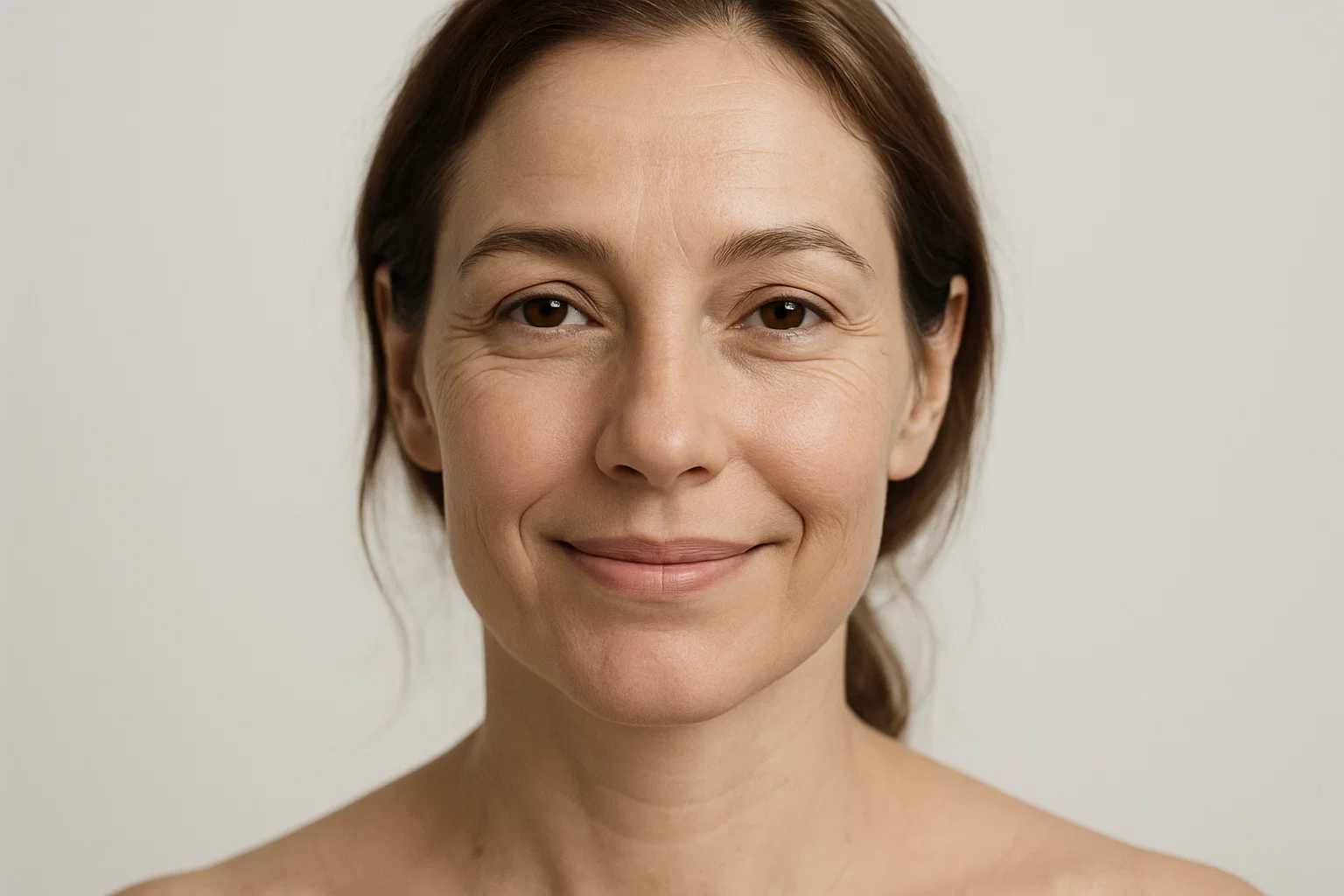
| Layer | What it does when young | What changes with age | What that looks like |
|---|---|---|---|
| Bone (maxilla, pyriform aperture) | Projects the midface and supports everything above the fold | Resorbs and rotates backwards, so the platform retreats | The whole midface sits further back and lower |
| Deep and superficial fat compartments | Sit high in the cheek as separate, well filled cushions | Shrink unevenly and descend, so the boundary between compartments sharpens | A defined ledge appears exactly where the fold runs |
| Ligaments and soft tissue attachments | Hold the fat pads up against gravity | Slacken, allowing tissue to slide forward and down | Heaviness that gathers above the fold line |
| Skin (collagen, elastin, hydration) | Springs back after every smile | Loses collagen and elastin, thins, holds less water | The crease stays visible at rest, not just when you smile |
| Muscle activity | Folds the skin thousands of times a day and unfolds it again | Same movement on skin that no longer recovers | The line becomes etched rather than dynamic |
What changes with age
Skin Quality Deterioration and Structural Changes
The progressive deterioration of skin quality represents a fundamental mechanism in nasolabial fold development, with multiple structural changes occurring simultaneously to create the conditions that allow permanent fold formation.
Collagen degradation occurs naturally with age and is accelerated by environmental factors such as sun exposure and smoking. The loss of collagen fibres reduces skin strength and elasticity, making it more susceptible to permanent creasing along lines of repeated muscle action such as the nasolabial fold.
Elastin fibre deterioration significantly impacts the skin’s ability to return to its original position after stretching or folding. As elastin fibres become fragmented and less functional, the skin develops permanent creases along frequently used expression lines, including nasolabial folds.
Glycosaminoglycan depletion, particularly the loss of hyaluronic acid, reduces the skin’s ability to maintain hydration and volume. This depletion contributes to skin thinning and loss of the plumpness that helps smooth minor surface irregularities and expression lines.
Cellular regeneration decline with age reduces the skin’s ability to repair daily damage and maintain optimal structure. This decline affects all aspects of skin health and contributes to the accumulation of damage that manifests as permanent expression lines and folds.
Dermal thickness reduction occurs with age, making underlying structures more visible and reducing the cushioning effect that helps smooth surface contours. Thinner skin is more susceptible to fold formation and less able to disguise underlying anatomical features.
The cumulative effect of these skin quality changes creates a progressive deterioration in the skin’s ability to resist fold formation, explaining why nasolabial folds become more prominent and persistent with advancing age.
Volume Loss Patterns and Tissue Descent
Age-related volume loss follows predictable patterns that significantly contribute to nasolabial fold development and prominence. Understanding these patterns is essential for developing effective treatment strategies that address the underlying causes of fold formation.
Subcutaneous fat loss occurs throughout the face with age but follows specific patterns that particularly affect the nasolabial fold region. The loss of fat in the cheek area reduces support for overlying skin and creates the conditions that allow nasolabial folds to become more prominent.
Deep fat compartment changes involve both volume loss and repositioning of fat deposits, creating altered facial contours that can accentuate nasolabial folds. The relationship between superficial and deep fat layers becomes disrupted with age, affecting overall facial support.
Muscle volume loss and atrophy contribute to changes in facial contours and support structures. As facial muscles lose volume and strength with age, the overall support system for facial soft tissues becomes compromised, contributing to fold formation.
Bone resorption in the midface creates loss of skeletal support for overlying soft tissues, leading to tissue descent and increased prominence of nasolabial folds. This bone loss is a natural part of ageing but can be accelerated by certain factors.
Gravitational effects become more pronounced as supporting tissues weaken, leading to downward migration of facial tissues that can deepen nasolabial folds and create a more aged appearance overall.
The combination of volume loss and tissue descent creates a cascade of changes that progressively worsen nasolabial fold appearance, explaining why these features often become more prominent rapidly during certain periods of life.
Hormonal Influences on Fold Development
Hormonal changes throughout life significantly impact nasolabial fold development, with certain periods creating particular vulnerability to accelerated fold formation and prominence.
Oestrogen decline during menopause represents a critical period for accelerated nasolabial fold development due to its effects on collagen production, skin thickness, and overall tissue quality. Many women notice rapid worsening of nasolabial folds during the menopausal transition.
Testosterone levels in both men and women affect skin thickness and collagen production, with declining levels contributing to skin quality deterioration and increased susceptibility to fold formation.
Growth hormone decline with age affects tissue repair and regeneration processes, contributing to the accumulation of damage that manifests as permanent expression lines and folds.
Thyroid hormone imbalances can significantly affect skin quality and tissue metabolism, potentially accelerating or slowing the development of nasolabial folds depending on the specific condition and its management.
Cortisol elevation due to chronic stress can accelerate skin ageing processes and contribute to premature nasolabial fold development through its effects on collagen production and tissue repair mechanisms.
The interaction between multiple hormonal changes creates complex effects on facial ageing that can significantly impact nasolabial fold development and progression throughout different life stages.
Are nasolabial folds caused by a recessed maxilla?
Partly, and for some people substantially. The maxilla is the upper jaw bone, and it forms the platform the midface sits on. Two things happen to it. Some people are born with less maxillary projection, which is why they can show a defined nasolabial fold in their twenties with no other sign of ageing. In everyone, the maxilla and the bony opening of the nose resorb slowly across adult life, so the platform retreats.
When the bone behind the soft tissue moves back, the soft tissue in front of it has nowhere to sit. It drapes forward and down, and the crease deepens. This is the reason two people with identical skin quality can have very different folds, and the reason skincare alone rarely changes a fold that is skeletal in origin.
What this means in practice
- If your fold is mainly skeletal, treating the line itself tends to look filled rather than lifted, because the underlying support has not changed.
- Restoring projection higher up, at the cheek and the midface, addresses the cause and often softens the fold without touching it.
- Skin quality treatments still help, but they improve the surface, not the structure. Expect refinement, not correction.
- A proper assessment identifies which layer is dominant before any product is chosen. That is the difference between a natural result and an obvious one.
The same principle drives how we treat neighbouring areas: cheek and cheekbone filler is frequently the treatment that improves a nasolabial fold, and the midface as a whole is assessed rather than the line in isolation. Our post on midface anatomy and cheek structure goes deeper into that relationship.

Why some people get folds earlier
Sun Exposure and Photoageing Effects
Ultraviolet radiation represents the most significant environmental factor in nasolabial fold development, causing cumulative damage that accelerates the natural ageing process and contributes to premature fold formation.
UVA radiation penetrates deeply into the skin and causes long-term damage to collagen and elastin fibres, leading to loss of skin elasticity and increased susceptibility to permanent fold formation along expression lines.
UVB radiation primarily affects the superficial layers of skin but contributes to overall photoageing through DNA damage and inflammatory processes that impair skin repair and regeneration mechanisms.
Cumulative sun exposure over decades creates progressive damage that becomes increasingly apparent with age, with nasolabial folds often being among the first signs of significant photoageing in the facial region.
The nasolabial fold area is particularly vulnerable to sun damage due to its position on the face and the way shadows and light interact with facial contours during sun exposure.
Photoageing effects are largely preventable through consistent sun protection measures, making prevention strategies crucial for minimising nasolabial fold development and progression.
The interaction between sun exposure and other ageing factors creates synergistic effects that can dramatically accelerate nasolabial fold formation compared to natural ageing alone.
Smoking and Vascular Effects
Smoking significantly accelerates nasolabial fold development through multiple mechanisms that affect skin health, circulation, and tissue repair processes.
Nicotine and other tobacco compounds reduce blood flow to facial tissues, impairing nutrient delivery and waste removal processes that are essential for maintaining healthy skin structure and function.
Free radical damage from smoking accelerates the breakdown of collagen and elastin fibres, leading to premature loss of skin elasticity and increased susceptibility to permanent fold formation.
Repetitive muscle movements associated with smoking, including pursing the lips and squinting due to smoke irritation, contribute to mechanical stress along expression lines including nasolabial folds.
Impaired wound healing and tissue repair processes in smokers mean that daily damage accumulates more rapidly and is less effectively repaired, leading to accelerated visible ageing including nasolabial fold formation.
The combination of vascular effects, chemical damage, and mechanical stress makes smoking one of the most significant modifiable risk factors for premature nasolabial fold development.
Smoking cessation can slow the progression of nasolabial fold development, though some damage may be permanent and require treatment intervention for optimal correction.
Facial Expression Patterns and Habits
Individual patterns of facial expression and unconscious habits significantly influence nasolabial fold development, with some people being more prone to fold formation due to their communication and expression styles.
Frequent smiling and laughing, whilst positive for psychological well-being, create repeated mechanical stress along the nasolabial fold line that can contribute to permanent crease formation over time.
Asymmetrical expression patterns can lead to uneven nasolabial fold development, with one side becoming more prominent than the other based on individual expression habits and muscle usage patterns.
Occupational factors such as jobs requiring frequent speaking, singing, or specific facial expressions can contribute to accelerated nasolabial fold development through increased muscle usage and mechanical stress.
Sleep positions and habits can contribute to asymmetrical fold development, with side sleeping potentially creating pressure and folding patterns that become more permanent over time.
Stress-related facial tension and unconscious muscle contractions can contribute to increased mechanical stress along expression lines, potentially accelerating nasolabial fold formation.
Awareness of expression patterns and habits can help individuals make modifications that may slow nasolabial fold progression, though complete expression suppression is neither desirable nor realistic.
Can you soften nasolabial folds without filler?
You can improve a fold without filler, and you can slow how fast it deepens, but you cannot restore lost bone or lost volume with a cream. The table below is a realistic view of what each option does, which is more useful than a list of everything that has ever been suggested.
| Approach | What it can realistically do | What it cannot do |
|---|---|---|
| Daily broad spectrum SPF | Slows the collagen loss that lets the crease become permanent. The single most effective long term measure | Reverse a fold that has already formed |
| Retinoids and evidence based skincare | Improves skin thickness, texture and fine surface creasing over months | Change the volume or the bone underneath |
| Stopping smoking | Removes a major accelerator of collagen breakdown and impaired blood supply | Undo damage already done, though the trajectory improves |
| Skin quality injectables such as bio remodelling | Improves hydration, firmness and how the skin sits over the fold | Provide lift or replace structural volume |
| Collagen stimulating treatments | Builds gradual firmness in the surrounding tissue over months | Give the immediate structural correction filler gives |
| Facial exercises and massage | May help you feel more comfortable with facial tension | Lift descended fat pads or rebuild bone. There is no good evidence they reduce folds |
| Anti wrinkle injections | Softens dynamic lines elsewhere on the face, and occasionally the pull around the mouth | Treat the nasolabial fold itself, which is structural rather than muscular |
If skin quality is the main issue, treatments such as Profhilo and polynucleotides work on the surface layers, and our guide to skin boosters and collagen stimulators explains the difference between them. If the fold is structural, they will refine it without correcting it, and it is better to know that before you start.
How a fold is assessed
Clinical Evaluation Techniques
Comprehensive assessment of nasolabial folds requires systematic evaluation techniques that identify all contributing factors and guide appropriate treatment selection for optimal outcomes.
Visual inspection under standardised lighting conditions enables assessment of fold depth, length, symmetry, and relationship to surrounding facial features. Multiple lighting angles help reveal the three-dimensional nature of the folds and their impact on overall facial appearance.
Palpation techniques help assess skin quality, thickness, and underlying tissue support. Understanding tissue characteristics is crucial for selecting appropriate treatment modalities and predicting treatment outcomes.
Functional assessment includes evaluation of facial muscle function and expression patterns that contribute to fold formation. This assessment helps identify whether dynamic factors are significant contributors requiring specific treatment approaches.
Photographic documentation using standardised techniques provides objective baseline measurements and enables accurate assessment of treatment outcomes over time. Multiple angles and expressions help capture the full extent of the concern.
Skin quality evaluation examines factors such as elasticity, hydration, texture, and overall condition that significantly influence treatment selection and expected outcomes for nasolabial fold correction.
Patient history assessment includes questions about family history, lifestyle factors, previous treatments, and specific concerns that help guide treatment planning and expectation setting.
Grading Systems and Severity Assessment
Standardised grading systems for nasolabial folds help ensure consistent assessment and communication whilst providing objective measures for treatment planning and outcome evaluation.
Severity grading typically uses validated scales that assess fold depth, length, and prominence, with higher grades indicating more severe folds requiring more intensive treatment approaches.
Anatomical classification identifies the specific components contributing to fold appearance, such as volume loss, skin quality issues, or muscle hyperactivity, each requiring different treatment strategies.
Symmetry evaluation assesses differences between the two sides that may influence treatment planning and technique modification to achieve balanced, natural-looking results.
Dynamic versus static component assessment helps determine whether folds are primarily due to muscle activity or permanent structural changes, influencing treatment selection and expected outcomes.
Associated feature assessment identifies concurrent issues such as volume loss in adjacent areas, skin quality problems, or other signs of ageing that may require additional treatments for optimal overall improvement.
Treatment complexity classification helps predict the level of intervention required and guides patient counselling about expected outcomes, treatment duration, and potential need for combination approaches.
Treatment Selection Criteria
Appropriate treatment selection for nasolabial folds depends on multiple factors including fold severity, contributing mechanisms, patient goals, and individual anatomical characteristics.
Fold depth and prominence are primary factors in treatment selection, with superficial folds often responding well to skin quality treatments whilst deeper folds typically require volume restoration approaches.
Skin quality assessment influences treatment choice, with good skin quality enabling more aggressive volume restoration whilst poor skin quality may require preliminary skin improvement treatments.
Age and overall facial ageing patterns affect treatment selection, with younger patients often benefiting from preventative approaches whilst older patients may require more comprehensive interventions.
Patient goals and expectations must be realistic and achievable with available treatments, influencing the selection of appropriate intervention strategies and the need for combination approaches.
Medical history and contraindications affect treatment safety and selection, with certain conditions or medications requiring modified approaches or alternative treatment strategies.
Budget and maintenance considerations influence treatment selection, with some approaches requiring more frequent maintenance or higher initial investment than others.
Treatment approaches and techniques
Dermal Filler Applications
Dermal fillers represent the most common and effective treatment for nasolabial folds, offering immediate improvement through volume restoration and structural support for the overlying skin.
Product selection for nasolabial fold treatment involves choosing fillers with appropriate characteristics for this area, including suitable viscosity, longevity, and lifting capacity to achieve optimal correction.
Injection techniques for nasolabial folds require understanding of appropriate injection depths, volumes, and distribution patterns to achieve natural-looking results whilst avoiding complications such as overcorrection or asymmetry.
Linear threading techniques involve placing filler along the length of the fold to provide direct support and smoothing. This approach is effective for well-defined folds with good skin quality.
Fanning techniques distribute filler in multiple directions from strategic injection points, providing broader support and more natural integration with surrounding tissues.
Layered approaches involve placing filler at different tissue depths to achieve optimal correction whilst maintaining natural facial contours and expression capability.
Volumetric restoration techniques address not just the fold itself but also the surrounding areas that contribute to fold prominence, providing more comprehensive and natural-looking results.
Advanced Injection Strategies
Sophisticated injection strategies for nasolabial folds go beyond simple fold filling to address the underlying anatomical changes that contribute to fold formation and prominence.
Cheek augmentation approaches recognise that nasolabial fold prominence is often related to volume loss in the midface, with restoration of cheek volume providing indirect improvement in fold appearance.
Multi-vector lifting techniques use strategic filler placement to provide lifting and support that addresses both the fold and the underlying tissue descent that contributes to its prominence.
Combination product strategies may involve using different types of fillers for different aspects of the treatment, such as deeper products for structural support and superficial products for fine-tuning.
Staged treatment protocols involve performing treatments in phases, allowing assessment of results and tissue response before proceeding with additional correction.
Maintenance and touch-up strategies ensure sustained results over time whilst adapting to ongoing ageing changes and evolving patient goals.
Revision and correction techniques address suboptimal outcomes or complications from previous treatments whilst achieving improved results.
Complementary Treatment Modalities
Nasolabial fold treatment often benefits from complementary approaches that address different aspects of the ageing process and provide more comprehensive improvement than filler treatment alone.
Skin quality improvement treatments including chemical peels, laser therapy, or microneedling can enhance the overall appearance of the nasolabial fold area by improving skin texture and stimulating collagen production.
Anti-wrinkle injections may be beneficial for patients with significant dynamic components to their nasolabial folds, though this is less common than in other facial areas.
Bio-remodelling treatments using products like Profhilo can improve overall skin quality and provide subtle volume enhancement that complements filler treatments.
Energy-based treatments such as radiofrequency or ultrasound therapy can provide skin tightening and collagen stimulation that enhances and prolongs the results of filler treatments.
Skincare optimisation including appropriate moisturisers, retinoids, and sun protection helps maintain treatment results and supports overall skin health.
Lifestyle counselling addresses modifiable factors such as sun protection, smoking cessation, and skincare habits that can influence treatment outcomes and long-term results.

How we treat nasolabial folds at Dr Harry Clinic
Every plan starts with an assessment of the midface rather than the line: cheek projection, skin quality, facial shape and how the area moves when you speak and smile. Some patients need direct correction of the fold. Many need volume restored higher in the cheek so the midface lifts and the fold softens as a consequence. A number need both, in that order.
- Cannula rather than needle where appropriate. A flexible blunt tip micro cannula reduces bruising, improves comfort and distributes product more evenly along or around the fold.
- Layered depth. Deeper product supports the base of the fold, mid depth placement provides gentle lift, and superficial placement refines the surface crease. Which layers are used depends on your anatomy.
- Cohesive, soft product selection. Belotero fillers integrate smoothly and move naturally with expression, which matters more in an area that folds every time you speak.
- Treating the cause, not only the line. Subtle cheek enhancement to lift the midface is frequently the change that softens the fold, and it avoids the heavy, overfilled look that comes from packing product into the crease.
- Facial harmony. Where relevant we look at the whole lower face, including marionette lines, chin projection and jawline definition, so one area is not corrected in isolation.
Results are visible immediately and continue to refine over the following days, with minimal downtime. How long they last depends on the product used and your own metabolism, typically in the region of nine to eighteen months, with maintenance planned rather than left to chance.
Safety in this area specifically
The nasolabial region has complex vascular anatomy, which is why depth, product choice and injector training matter here more than almost anywhere on the face. Treatment is performed by Dr Harry James, a GMC registered doctor, faculty member of ACE Group World and a trainer of other medical professionals in injectable technique, using premium hyaluronic acid products that can be dissolved if that is ever needed.
If filler placed elsewhere has left the area heavy or unnatural, ultrasound guided dissolving lets us see the product before treating it. Our guide on when and why dissolving is necessary explains that process.
Want to know which layer is causing your fold?
Book an assessment with Dr Harry James at our Chiswick or Covent Garden clinic.
Frequently asked questions
Understanding Nasolabial Folds
What causes nasolabial folds to become deeper with age?
Nasolabial folds deepen with age due to a combination of factors working together over time. The primary cause is the natural loss of collagen and elastin in the skin, which reduces its ability to bounce back after repeated folding from facial expressions like smiling and talking. As we age, the fat compartments in our cheeks also lose volume and begin to descend due to gravity, creating less support for the skin above and making the nasolabial fold area appear more hollow and pronounced. Additionally, the underlying bone structure changes with age as the maxilla (upper jaw bone) undergoes resorption, reducing the skeletal support for soft tissues. Environmental factors like sun exposure accelerate collagen breakdown, whilst repetitive muscle movements from expressions create mechanical stress along the fold line. The combination of volume loss, skin quality deterioration, structural changes, and gravitational effects creates the progressive deepening of nasolabial folds that characterises facial ageing.
Are nasolabial folds hereditary, and why do some people get them earlier than others?
Nasolabial folds have a significant hereditary component, with genetics influencing facial bone structure, muscle strength, fat distribution patterns, and skin characteristics that all affect fold development. If your parents developed prominent nasolabial folds early, you’re more likely to experience similar patterns. However, the timing and severity of fold development also depend heavily on environmental and lifestyle factors. People with stronger facial muscles or more expressive communication styles may develop folds earlier due to increased mechanical stress on the skin. Sun exposure is a major factor, with those who have had significant UV exposure developing folds sooner than those who consistently protect their skin. Smoking dramatically accelerates fold formation through multiple mechanisms including reduced blood flow and increased free radical damage. Hormonal factors, particularly the decline in oestrogen during menopause, can cause rapid progression of nasolabial folds. Individual skin characteristics such as thickness and natural collagen production also influence timing, explaining why some people maintain smooth skin longer despite similar environmental exposure.
Can nasolabial folds be prevented, and what’s the best approach?
While nasolabial folds cannot be completely prevented due to natural ageing processes, their development can be significantly slowed through preventative measures. The most important prevention strategy is consistent sun protection using broad-spectrum SPF, protective clothing, and avoiding peak sun hours, as UV damage is the primary accelerator of skin ageing. Maintaining good skincare habits including regular moisturising, using retinoids or other anti-ageing ingredients, and gentle cleansing helps preserve skin quality. Not smoking is crucial, as smoking dramatically accelerates fold formation through multiple mechanisms. Staying well-hydrated, eating a healthy diet rich in antioxidants, and managing stress levels support overall skin health. Some people benefit from early intervention with treatments that support skin quality or provide subtle volume enhancement before significant folds develop. However, it’s important to have realistic expectations, prevention can slow the process but cannot stop natural ageing entirely. The key is starting prevention early and maintaining consistent habits throughout life.
How do nasolabial folds differ from other facial wrinkles and lines?
Nasolabial folds differ from other facial wrinkles in several important ways that affect their treatment and progression. Unlike dynamic wrinkles such as crow’s feet or forehead lines that are primarily caused by muscle movement, nasolabial folds are mainly structural features that result from volume loss and tissue descent rather than muscle activity. This means they’re typically visible even when the face is at rest, unlike purely dynamic wrinkles that only appear during expressions. Nasolabial folds are also deeper and more three-dimensional than most other facial lines, involving changes in multiple tissue layers including skin, fat, and underlying support structures. They tend to be more resistant to treatments that work well for dynamic wrinkles, such as anti-wrinkle injections, and typically require volume restoration approaches for effective correction. The progression pattern is also different, whilst dynamic wrinkles may develop gradually from repeated muscle movements, nasolabial folds can sometimes appear to worsen rapidly during periods of significant volume loss or hormonal changes. Understanding these differences is crucial for selecting appropriate treatment approaches and setting realistic expectations.
Treatment Options and Expectations
What are the most effective treatments for nasolabial folds?
The most effective treatment for nasolabial folds is typically dermal filler injection, which directly addresses the volume loss and structural changes that cause fold prominence. Hyaluronic acid based fillers are most commonly used due to their safety profile, natural appearance, and reversibility if needed. The treatment involves strategically placing filler along the fold and sometimes in surrounding areas to restore volume and provide structural support. For optimal results, treatment often extends beyond just filling the fold itself to address contributing factors such as cheek volume loss. Some patients benefit from combination approaches that include skin quality treatments like chemical peels or laser therapy to improve overall skin texture and appearance. Bio-remodelling treatments using products like Profhilo can enhance skin quality and provide subtle volume improvement. In severe cases or for patients seeking longer-lasting results, surgical options such as facelifts may be considered. The most effective approach depends on individual anatomy, fold severity, skin quality, and personal goals. A thorough consultation will help determine the best treatment strategy for your specific situation.
How long do dermal filler results last in nasolabial folds?
Dermal filler results in nasolabial folds typically last 9-18 months, though this varies significantly between individuals and depends on several factors. The type of filler used affects longevity, with some products designed to last longer than others. Nasolabial folds often maintain filler results longer than more mobile areas of the face because there’s less muscle movement to break down the product. Individual factors such as metabolism, age, lifestyle, and skin quality all influence how long results last. Generally, first treatments may not last as long as subsequent treatments, as the tissues become conditioned to the filler over time and some structural improvement may be maintained even as the product is absorbed. Factors that may reduce longevity include smoking, excessive sun exposure, poor skincare habits, and certain medical conditions or medications that affect metabolism. Most patients find that results gradually fade rather than disappearing suddenly, and touch-up treatments can often maintain results with smaller amounts of product. Your practitioner will help you develop a maintenance schedule based on your individual response and aesthetic goals.
What should I expect during nasolabial fold filler treatment?
Nasolabial fold filler treatment typically takes 30-45 minutes including consultation and preparation. The treatment area will be cleaned and may be numbed with topical anaesthetic, though many modern fillers contain local anaesthetic to minimise discomfort. The actual injection process involves multiple small injections or cannula insertions along the fold and potentially in surrounding areas. Most patients describe the discomfort as mild to moderate, similar to small pinpricks or pressure sensations. You may feel fullness or slight stretching as the filler is placed. The practitioner will assess and adjust the treatment in real-time to achieve optimal, symmetrical results. Immediately after treatment, you may have some swelling, bruising, or tenderness, which is normal and typically resolves within a few days to a week. You’ll receive aftercare instructions including avoiding certain activities, using cold compresses, and sleeping elevated. Results are visible immediately but continue to improve over 1-2 weeks as any swelling subsides and the filler settles into its final position. Follow-up appointments allow assessment of results and any necessary minor adjustments.
Can nasolabial fold treatments look natural, and how do I avoid an overdone appearance?
Yes, nasolabial fold treatments can look very natural when performed skillfully with appropriate techniques and realistic goals. The key to natural results is addressing the underlying volume loss and structural changes rather than simply filling the fold line itself. Modern techniques focus on restoring facial volume in a way that mimics youthful facial contours rather than creating obvious augmentation. Choosing an experienced practitioner who understands facial anatomy and proportions is crucial for achieving natural results. They should assess your entire facial structure and treat nasolabial folds in the context of your overall facial harmony. Starting with conservative amounts and building up gradually over multiple sessions often produces more natural results than aggressive single treatments. The goal should be improvement rather than perfection, completely eliminating all traces of nasolabial folds can create an unnatural, overdone appearance. Good practitioners will also consider your age and facial characteristics to ensure results are appropriate and harmonious. Avoiding the overdone look also involves choosing the right type of filler and injection technique for your specific anatomy and goals.
Safety and Aftercare
What are the risks and potential side effects of nasolabial fold treatment?
Nasolabial fold filler treatments are generally safe when performed by qualified practitioners, but like all medical procedures, they carry some risks. Common side effects include temporary swelling, bruising, redness, and tenderness at injection sites, which typically resolve within a few days to a week. Some patients experience temporary asymmetry as swelling subsides unevenly. More serious but rare complications include infection, allergic reactions to the filler material, and vascular occlusion (blocking of blood vessels) which can cause tissue damage if not promptly treated. The nasolabial fold area has important blood vessels, making proper injection technique crucial for safety. Other potential issues include lumps or irregularities if filler is not placed properly, overcorrection leading to unnatural appearance, or the Tyndall effect (bluish discolouration) if filler is placed too superficially. Migration of filler to unintended areas can occur but is uncommon with proper technique. Most complications can be avoided through careful practitioner selection, proper technique, and following aftercare instructions. Serious complications require immediate medical attention, and it’s important to choose a practitioner who has emergency protocols in place and the expertise to manage any complications that might arise.
How should I care for my nasolabial folds after filler treatment?
Proper aftercare following nasolabial fold filler treatment helps ensure optimal results and minimises the risk of complications. For the first 24-48 hours, avoid touching or massaging the treated area unless specifically instructed by your practitioner. Apply cold compresses gently for 10-15 minutes several times daily to reduce swelling, but avoid direct ice contact with skin. Sleep with your head elevated for the first few nights to minimise swelling. Avoid strenuous exercise, saunas, steam rooms, and excessive heat for 24-48 hours as these can increase swelling and bruising. Don’t consume alcohol for 24 hours as it can increase bruising risk. Avoid dental work or facial treatments for at least two weeks unless approved by your practitioner. Use gentle skincare products and avoid harsh chemicals or exfoliants for a few days. Stay hydrated and maintain a healthy diet to support healing. Attend all follow-up appointments as scheduled to monitor healing and results. Contact your practitioner immediately if you experience severe pain, vision changes, skin colour changes, or signs of infection such as increasing redness, warmth, or discharge. Most patients can return to normal activities within a day or two, but follow your specific aftercare instructions carefully.
When should I be concerned about complications after treatment?
While most nasolabial fold filler treatments heal without complications, it’s important to know when to seek immediate medical attention. Contact your practitioner or seek emergency care immediately if you experience severe, worsening pain that doesn’t respond to over-the-counter pain medication, as this could indicate vascular compromise or infection. Vision changes, including blurred vision, double vision, or vision loss, require immediate emergency attention as they may indicate serious vascular complications. Skin colour changes such as blanching (turning white), darkening, or developing a mottled appearance can indicate blood flow problems and need urgent assessment. Signs of infection including increasing redness, warmth, swelling, or discharge, especially if accompanied by fever, require prompt medical attention. Severe asymmetry that doesn’t improve after initial swelling subsides, or lumps and irregularities that persist beyond the first week, should be evaluated by your practitioner. While some swelling and bruising are normal, if these symptoms are severe, rapidly worsening, or accompanied by other concerning signs, seek advice promptly. Trust your instincts, if something doesn’t feel right or you’re concerned about any symptoms, it’s always better to contact your practitioner for guidance rather than wait and worry.
How do I choose the right practitioner for nasolabial fold treatment?
Choosing the right practitioner for nasolabial fold treatment is crucial for achieving safe, natural-looking results. Look for medical professionals such as doctors, dentists, or nurse prescribers with specific advanced training in aesthetic medicine and extensive experience with dermal filler treatments. Check their qualifications, certifications, and membership in relevant professional organisations. Ask specifically about their experience with nasolabial fold treatments and request to see before-and-after photos of their work, paying attention to natural-looking results that maintain facial harmony. Read patient reviews and testimonials, but remember that individual results vary. During consultation, assess their knowledge of facial anatomy, their approach to treatment planning, and their willingness to discuss risks, alternatives, and realistic expectations. They should conduct thorough facial assessment, explain the procedure clearly, discuss potential complications, and never pressure you into immediate treatment. Ensure they use high-quality, approved products and maintain proper sterile technique. Check that they have appropriate facilities, emergency protocols, and professional indemnity insurance. The practitioner should make you feel comfortable and confident in their expertise, and you should feel able to ask questions and express concerns freely. Trust your instincts about their professionalism and approach to patient care.
Related reading
- Midface anatomy: understanding cheek structure and ageing
- Marionette lines: why they form and the treatment options
- Understanding the different types of dermal filler
- How long dermal fillers last, by treatment area
- Dermal filler aftercare: the first 48 hours and beyond
- Understanding facial anatomy and the ageing process
Considering treatment for smile lines?
Assessment with a GMC registered aesthetic doctor in Chiswick and Covent Garden.
This article is general information and is not a substitute for a personal medical consultation. Suitability, risks and alternatives are assessed individually. To arrange an assessment with Dr Harry James, book at our Chiswick or Covent Garden clinic via the appointment page.
About the author

Aesthetic doctor and clinical director of Dr Harry Clinic, Chiswick and Covent Garden. ACE Group World faculty. GMC 7528423. About Dr Harry
Keep reading
Related articles

Dynamic vs. Static Wrinkles in the Forehead: What’s the Difference?
Understanding the fundamental difference between dynamic and static wrinkles represents one of the most important concepts in modern…

Midface and Cheek Ageing: Why Cheeks Flatten and What Restores Them
Why cheeks lose volume with age, what cheek filler actually does, where the product goes and when filler is the wrong answer. A midface…

The Complete Guide to Eye Area Anatomy & Rejuvenation
The skin around your eye is about 0.5mm thick. Everywhere else on your face it is closer to 2mm. That single number explains most of what…