
- Home
- Blog
- Anti-Wrinkle Treatments
- The Complete Guide to Anti-Wrinkle Injections: Types, Areas & Results
The Complete Guide to Anti-Wrinkle Injections: Types, Areas & Results

Introduction
Anti-wrinkle injections have revolutionised the way we approach facial ageing, offering a non-surgical solution that delivers remarkable results with minimal downtime. What began as a medical treatment for muscle spasticity has evolved into one of the most popular and effective aesthetic procedures worldwide, helping millions of people achieve smoother, more youthful-looking skin.
The science behind these treatments is fascinating. By temporarily relaxing specific facial muscles, we can soften existing lines and prevent new ones from forming. This approach addresses the root cause of dynamic wrinkles, the repeated muscle contractions that occur when we smile, frown, or express ourselves throughout our daily lives.
Understanding how these treatments work, what to expect, and how to achieve optimal results is crucial for anyone considering this popular procedure. This comprehensive guide will walk you through everything you need to know about anti-wrinkle injections, from the science behind the treatment to the specific areas that can be addressed and the results you can realistically expect.
Understanding Anti-Wrinkle Injections
The Science Behind Muscle Relaxation
Anti-wrinkle injections work by blocking nerve signals to specific facial muscles, causing them to relax temporarily. This process involves a purified protein that interferes with the release of acetylcholine, a neurotransmitter responsible for muscle contraction. When these signals are blocked, the targeted muscles cannot contract as forcefully, allowing overlying skin to smooth out and appear more youthful.
The treatment specifically targets dynamic wrinkles, those that form as a result of repeated muscle movements over time. Unlike static wrinkles, which are present even when facial muscles are at rest, dynamic wrinkles only appear during facial expressions. By addressing the underlying muscle activity, anti-wrinkle injections can effectively prevent these lines from deepening whilst softening existing ones.
The effects are not permanent, which is actually beneficial for several reasons. It allows for natural facial expression to return gradually, provides flexibility to adjust treatment as your face changes over time, and ensures that any unwanted effects will resolve naturally. Most people find that results last between three to four months, though this can vary based on individual factors such as metabolism, muscle strength, and lifestyle.
Types of Anti-Wrinkle Products
Several different brands of anti-wrinkle products are available, each with slightly different characteristics and properties. The most commonly used products include Bocouture, Botox, Azzalure, and Dysport. Whilst all work on the same basic principle of muscle relaxation, they differ in their molecular structure, onset time, and duration of effect.
Bocouture is often preferred by practitioners for its high purity profile, as it contains no complexing proteins that could potentially trigger immune responses. This makes it an excellent choice for patients who may require regular treatments over many years. The product has a smooth, predictable effect and is particularly well-suited for treating delicate areas around the eyes.
Botox remains the most well-known brand and has the longest track record of safety and efficacy. It’s been used for aesthetic purposes for over two decades and has an extensive research base supporting its use. Many practitioners appreciate its consistent results and well-established dosing protocols.
Azzalure and Dysport have slightly different spreading characteristics, which can be advantageous for treating larger areas or achieving more subtle effects. The choice between products often comes down to practitioner preference and individual patient response, as some people may respond better to one formulation than another.
Treatment Areas and Applications
Upper Face Treatments
The upper third of the face is where anti-wrinkle injections achieve some of their most dramatic and satisfying results. This area includes the forehead, the area between the eyebrows (glabella), and the outer corners of the eyes (crow’s feet). These regions are particularly prone to dynamic wrinkles because they’re involved in many of our most common facial expressions.
Forehead lines develop from the repeated action of raising the eyebrows, whether in surprise, concentration, or simply as a habitual expression. These horizontal lines can make someone appear worried or aged beyond their years. Treatment involves carefully placed injections across the forehead muscle, with particular attention paid to maintaining natural brow position and movement. The goal is to soften the lines whilst preserving the ability to express emotions naturally.
Frown lines, or glabellar lines, form between the eyebrows as a result of concentrating, squinting, or expressing displeasure. These vertical lines can create an appearance of anger or frustration even when someone is feeling perfectly content. Treatment of this area requires precision, as the muscles here are complex and interconnected. Proper technique ensures that the natural arch of the brow is maintained whilst effectively softening the lines.
Crow’s feet are the fine lines that radiate from the outer corners of the eyes, typically appearing when we smile or squint. These lines are often among the first signs of ageing that people notice, and they can be particularly bothersome because they’re visible even from a distance. Treatment of crow’s feet requires a delicate touch, as the skin around the eyes is thin and the muscles are relatively small.
Lower Face Applications
Whilst the upper face remains the most common area for anti-wrinkle treatments, the lower face offers numerous opportunities for enhancement and correction. These applications require advanced understanding of facial anatomy and muscle interactions, as the lower face is responsible for crucial functions like eating, speaking, and expressing complex emotions.
The masseter muscles, located at the angles of the jaw, can be treated to achieve facial slimming effects. This is particularly popular among patients with naturally strong jaw muscles or those who grind their teeth. The treatment can create a more oval facial shape whilst also providing relief from teeth grinding and associated jaw pain. Results develop gradually over several weeks as the muscle size reduces.
Treatment around the mouth area can address several concerns. Smoker’s lines, the vertical lines that form around the lips, can be softened with careful injection technique. The downturned mouth, caused by overactive depressor muscles, can be lifted to create a more pleasant, approachable expression. These treatments require exceptional skill, as the muscles around the mouth are essential for speech and eating.
The chin area can also benefit from anti-wrinkle injections. An overactive mentalis muscle can cause the chin to appear dimpled or “orange peel” in texture. Treatment can smooth this area and create a more refined jawline. Some practitioners also use anti-wrinkle injections to address a gummy smile by relaxing the muscles that lift the upper lip excessively.
Neck and Jawline Enhancement
The neck is an often-overlooked area that can significantly benefit from anti-wrinkle treatments. The platysmal bands, which are vertical muscle bands that become more prominent with age, can be softened with strategic injections. This treatment, sometimes called the “Nefertiti lift,” can create a more defined jawline and smoother neck contour.
Treatment of the neck requires careful assessment of muscle anatomy and precise injection technique. The goal is to relax the downward-pulling muscles whilst maintaining the ability to swallow and speak normally. Results can be quite dramatic, creating a more youthful neck profile and better definition between the face and neck.
The jawline itself can be enhanced through treatment of the platysma muscle, which can pull down on the lower face and create jowling. By relaxing this muscle, the jawline appears more defined and lifted. This treatment works particularly well in combination with dermal fillers for comprehensive lower face rejuvenation.
The Treatment Process
Initial Consultation and Assessment
The journey begins with a comprehensive consultation where your practitioner will assess your facial anatomy, discuss your concerns and goals, and develop a personalised treatment plan. This consultation is crucial for achieving optimal results and ensuring your safety throughout the process.
During the assessment, your practitioner will examine your facial muscles at rest and in motion, noting the patterns of movement and the severity of existing lines. They’ll also consider factors such as your age, skin quality, lifestyle, and previous treatments. This information helps determine the most appropriate treatment approach and realistic expectations for results.
The consultation should also include a thorough medical history review. Certain medical conditions, medications, and previous treatments can affect your suitability for anti-wrinkle injections or influence the treatment approach. Your practitioner will also discuss potential risks and side effects, ensuring you have all the information needed to make an informed decision.
Photography is typically taken during the consultation to document your baseline appearance and help track progress over time. These images are also valuable for treatment planning and can help you visualise the potential results of treatment.
The Treatment Procedure
The actual treatment procedure is relatively quick and straightforward, typically taking between 15 to 30 minutes depending on the number of areas being treated. Most patients find the discomfort minimal, often describing it as similar to a small pinprick or insect bite.
Before treatment begins, the injection sites are cleansed with an antiseptic solution. Some practitioners apply a topical anaesthetic cream, though this is often unnecessary given the minimal discomfort associated with the procedure. The treatment area is then marked to ensure precise injection placement.
Using a very fine needle, small amounts of the anti-wrinkle product are injected into specific muscles. The number of injections varies depending on the area being treated and the individual’s anatomy. For example, forehead treatment might involve 4-6 injections, whilst crow’s feet typically require 3-4 injections per side.
Throughout the procedure, your practitioner will assess muscle response and may ask you to make certain facial expressions to ensure accurate targeting. The entire process is performed with you sitting upright, allowing for natural muscle positioning and optimal results.
Immediate Aftercare
Immediately following treatment, you’ll receive specific aftercare instructions to ensure optimal results and minimise any potential side effects. These guidelines are important to follow, as they can significantly impact your treatment outcome.
For the first few hours after treatment, it’s important to remain upright and avoid lying down. This helps prevent the product from migrating to unintended areas. You should also avoid touching or massaging the treated areas, as this could potentially move the product before it has had time to bind to the target muscles.
Exercise and strenuous activity should be avoided for 24 hours following treatment. This includes activities that might increase blood flow to the face, such as hot yoga, saunas, or intense cardio workouts. These activities could potentially affect how the product settles and may increase the risk of bruising.
Alcohol consumption should be limited for 24 hours, as it can increase the risk of bruising and swelling. Similarly, blood-thinning medications and supplements should be avoided if possible, though you should never stop prescribed medications without consulting your doctor first.
Results and Expectations
Timeline of Results
Understanding the timeline of results helps set appropriate expectations and reduces anxiety about the treatment process. Unlike dermal fillers, which provide immediate results, anti-wrinkle injections work gradually as the targeted muscles begin to relax.
The first signs of effect typically appear within 2-3 days of treatment, though some people may notice changes sooner. During this initial period, you might feel a slight heaviness or tightness in the treated areas as the muscles begin to relax. This sensation is completely normal and indicates that the treatment is working.
Peak results are usually achieved between 10-14 days after treatment. This is when the full effect of muscle relaxation is apparent, and lines are at their smoothest. It’s important not to judge the final results too early, as the treatment continues to develop during this two-week period.
The effects typically last between 3-4 months, though this can vary significantly between individuals. Factors that influence duration include metabolism, muscle strength, lifestyle factors, and the specific areas treated. Some people find that results last longer with repeated treatments, as the muscles become trained to relax more effectively.
Factors Affecting Results
Several factors can influence the effectiveness and duration of anti-wrinkle treatments. Understanding these factors can help you optimise your results and maintain them for as long as possible.
Age plays a significant role in treatment outcomes. Younger patients often achieve more dramatic results because their skin has better elasticity and their wrinkles are primarily dynamic rather than static. However, older patients can still achieve excellent results, particularly when treatments are combined with other rejuvenation procedures.
Skin quality and thickness affect how results appear. Thicker skin may require higher doses to achieve the same effect as thinner skin, whilst sun-damaged skin may not smooth out as completely even when muscles are fully relaxed. This is why many practitioners recommend combining anti-wrinkle treatments with skincare regimens or other procedures.
Lifestyle factors such as smoking, sun exposure, and stress can all impact results. Smoking reduces blood flow to the skin and accelerates ageing, potentially reducing the longevity of results. Sun exposure continues to damage skin and create new lines, whilst stress can increase muscle tension and reduce treatment effectiveness.
Individual anatomy and muscle strength vary significantly between people. Some individuals have naturally stronger facial muscles that may require higher doses or more frequent treatments. Others may have asymmetries that need to be addressed with customised injection patterns.
Managing Expectations
Realistic expectations are crucial for patient satisfaction with anti-wrinkle treatments. Whilst these injections can achieve remarkable results, they’re not magic and cannot address all signs of ageing or completely eliminate all lines.
Anti-wrinkle injections are most effective on dynamic wrinkles, those that appear with facial movement. Static wrinkles, which are present even when muscles are at rest, may improve but might not disappear completely. In cases where static wrinkles are a concern, combination treatments with dermal fillers or skin resurfacing procedures may be recommended.
The goal of treatment should be natural-looking improvement rather than complete elimination of all facial movement. A skilled practitioner will aim to soften lines whilst preserving your ability to express emotions naturally. Over-treatment can result in a frozen or unnatural appearance that most people want to avoid.
Results are temporary, and maintenance treatments are necessary to sustain the benefits. This ongoing commitment should be considered when deciding whether anti-wrinkle injections are right for you. However, many people find that the confidence boost and improved appearance make the investment worthwhile.
Safety and Side Effects
Common Side Effects
Like all medical procedures, anti-wrinkle injections can cause side effects, though serious complications are rare when treatments are performed by qualified practitioners. Understanding potential side effects helps you make an informed decision and know what to expect after treatment.
The most common side effects are mild and temporary. These include slight redness, swelling, or tenderness at injection sites, which typically resolve within a few hours. Some people experience small bruises, particularly around the delicate eye area, though these can often be minimised with proper pre-treatment preparation.
Headaches can occur in some patients, particularly after forehead treatments. These are usually mild and resolve within 24-48 hours. Over-the-counter pain relievers can help manage any discomfort, though aspirin should be avoided as it can increase bruising risk.
Temporary muscle weakness is the intended effect of treatment, but occasionally this can be more pronounced than expected. For example, slight brow drooping might occur if the treatment affects muscles responsible for brow elevation. These effects are always temporary and resolve as the treatment wears off.
Rare but Serious Complications
Whilst serious complications are extremely rare, it’s important to be aware of them. Ptosis, or drooping of the eyelid, can occur if the product migrates to muscles that control eyelid position. This complication is more likely with inexperienced practitioners or when aftercare instructions aren’t followed properly.
Asymmetry can occur if muscles on one side of the face are affected differently than the other. This might be due to individual anatomical variations, different muscle strengths, or technical factors during injection. Most asymmetries are minor and resolve as the treatment wears off.
Allergic reactions are extremely rare but can occur. Symptoms might include widespread rash, difficulty breathing, or swelling of the face or throat. Anyone experiencing these symptoms should seek immediate medical attention. This is why it’s crucial to have treatments performed in appropriate medical settings.
Systemic effects, where the product affects muscles beyond the injection site, are very rare with cosmetic doses. However, symptoms such as difficulty swallowing, speaking, or breathing should be reported immediately to your practitioner or emergency services.
Minimising Risks
The best way to minimise risks is to choose a qualified, experienced practitioner who operates in appropriate clinical settings. This means someone with proper medical training, experience with facial anatomy, and access to emergency medical support if needed.
Following pre-treatment and aftercare instructions significantly reduces the risk of complications. This includes avoiding blood-thinning medications when possible, not lying down immediately after treatment, and avoiding exercise for 24 hours.
Open communication with your practitioner about your medical history, medications, and previous treatments is essential. Certain conditions or medications can increase complication risks, and your practitioner needs this information to treat you safely.
Starting with conservative doses, particularly for first-time patients, allows for assessment of individual response and reduces the risk of over-treatment. Additional product can always be added if needed, but the effects cannot be reversed once injected.
Choosing the Right Practitioner
Qualifications and Training
The importance of choosing a properly qualified practitioner cannot be overstated. Anti-wrinkle injections are medical procedures that require thorough understanding of facial anatomy, injection techniques, and complication management. Your safety and results depend heavily on your practitioner’s expertise.
Look for practitioners who are medically qualified, such as doctors, dentists, or nurse prescribers working under appropriate medical supervision. They should have specific training in aesthetic medicine and facial anatomy, not just a weekend course in injection techniques.
Experience matters significantly in aesthetic medicine. Ask about your practitioner’s experience with anti-wrinkle injections, how many treatments they perform, and whether they have experience managing complications. A practitioner who performs these treatments regularly is likely to achieve better results and handle any issues more effectively.
Ongoing education is crucial in this rapidly evolving field. Look for practitioners who attend regular training courses, conferences, and workshops to stay current with the latest techniques and safety protocols. Many also pursue advanced qualifications in aesthetic medicine.
Clinic Standards and Safety
The clinical environment where you receive treatment should meet appropriate medical standards. This includes proper sterilisation procedures, emergency equipment, and protocols for managing complications. The clinic should be clean, professional, and equipped to handle medical emergencies.
Product authenticity is crucial for both safety and effectiveness. Ensure your practitioner uses only genuine, licensed products from reputable suppliers. Counterfeit products are a real concern in the aesthetic medicine industry and can be dangerous.
Proper consultation procedures should be standard. This includes taking a thorough medical history, discussing risks and benefits, obtaining informed consent, and providing detailed aftercare instructions. Practitioners who rush through consultations or pressure you into immediate treatment should be avoided.
Emergency protocols should be in place for managing complications. Your practitioner should know how to handle adverse reactions and have access to appropriate medications and emergency services if needed.
Red Flags to Avoid
Several warning signs should make you reconsider your choice of practitioner. These include lack of medical qualifications, unwillingness to discuss risks and complications, pressure to have treatment immediately, and promises of unrealistic results.
Extremely low prices often indicate corners being cut somewhere, whether in product quality, practitioner qualifications, or clinical standards. Whilst cost is a consideration, your safety should be the primary concern.
Practitioners who offer treatments in inappropriate settings, such as beauty salons, hotels, or private homes, should be avoided. These environments lack the medical standards and emergency support necessary for safe treatment.
Be wary of practitioners who discourage you from asking questions, refuse to provide information about their qualifications, or seem unfamiliar with potential complications and their management.
Frequently Asked Questions
Treatment Suitability
Am I a good candidate for anti-wrinkle injections?
Most healthy adults who are bothered by dynamic wrinkles are good candidates for anti-wrinkle injections. The ideal candidate has realistic expectations, understands that results are temporary, and is committed to proper aftercare. However, certain medical conditions, medications, or pregnancy may make treatment inadvisable.
At what age should I start anti-wrinkle treatments?
There’s no specific age requirement, as the decision depends more on the presence of dynamic wrinkles and individual concerns. Some people start preventative treatments in their late twenties or early thirties, whilst others wait until lines are more established. The key is having realistic expectations and understanding the commitment involved.
Can I have anti-wrinkle injections if I’m pregnant or breastfeeding?
Anti-wrinkle treatments are not recommended during pregnancy or breastfeeding as a precautionary measure. Whilst there’s no evidence of harm, the effects on developing babies haven’t been studied, so it’s best to wait until after pregnancy and breastfeeding are complete.
Treatment Process
How painful are anti-wrinkle injections?
Most people find anti-wrinkle injections quite tolerable, describing the sensation as similar to a small pinprick or insect bite. The needles used are very fine, and the procedure is quick. Some areas, such as around the eyes, may be slightly more sensitive than others.
How long does the treatment take?
The actual injection process typically takes 10-15 minutes, though your entire appointment may be 30-45 minutes when including consultation, preparation, and aftercare instructions. The quick procedure time makes it convenient to fit into busy schedules.
When will I see results?
Initial effects usually become apparent within 2-3 days, with full results visible at 10-14 days. It’s important to wait the full two weeks before assessing results, as the treatment continues to develop during this period.
Results and Maintenance
How long do results last?
Results typically last 3-4 months, though this varies between individuals. Factors such as metabolism, muscle strength, and lifestyle can influence duration. Some people find results last longer with repeated treatments as muscles become trained to relax more effectively.
What happens when the effects wear off?
As the treatment wears off, muscle movement gradually returns to normal, and lines will reappear. However, many people find that regular treatments help prevent lines from deepening over time, providing long-term anti-ageing benefits.
Can I have top-up treatments?
Yes, maintenance treatments are typically scheduled every 3-4 months to maintain results. Some practitioners offer minor adjustments within the first two weeks if needed, though this is usually unnecessary with proper initial treatment.
Safety Concerns
Are anti-wrinkle injections safe?
When performed by qualified practitioners using licensed products, anti-wrinkle injections have an excellent safety record. Serious complications are extremely rare, and most side effects are mild and temporary. However, as with any medical procedure, there are risks that should be discussed with your practitioner.
Can anti-wrinkle injections cause permanent damage?
The effects of anti-wrinkle injections are temporary, and permanent damage is extremely rare when treatments are performed properly. Even if complications occur, they typically resolve as the treatment wears off over 3-4 months.
What should I do if I’m not happy with my results?
If you’re concerned about your results, contact your practitioner immediately. Minor adjustments can sometimes be made, though it’s important to wait the full two weeks for results to develop completely. A reputable practitioner will work with you to address any concerns.
This comprehensive guide provides the foundation for understanding anti-wrinkle injections, but remember that individual consultation with a qualified practitioner is essential for personalised advice and treatment planning. The field of aesthetic medicine continues to evolve, with new techniques and products regularly becoming available, making ongoing education and expert guidance invaluable for achieving optimal results.
Read also:
- Masseter Muscle Reduction: Your Ultimate Guide to a Slimmer, V-Shaped Jawline
- Crow’s Feet: A Complete Guide to Smoothing Eye Wrinkles
- TMJ and Bruxism Treatment: A Comprehensive Guide to Relief with Botulinum Toxin
- Anti-Wrinkle vs. Fillers: Which Treatment is Right for Your Concerns?
- First-Time Anti-Wrinkle Treatment: The Complete Guide
About the author

Aesthetic doctor and clinical director of Dr Harry Clinic, Chiswick and Covent Garden. ACE Group World faculty. GMC 7528423. About Dr Harry
Keep reading
Related articles
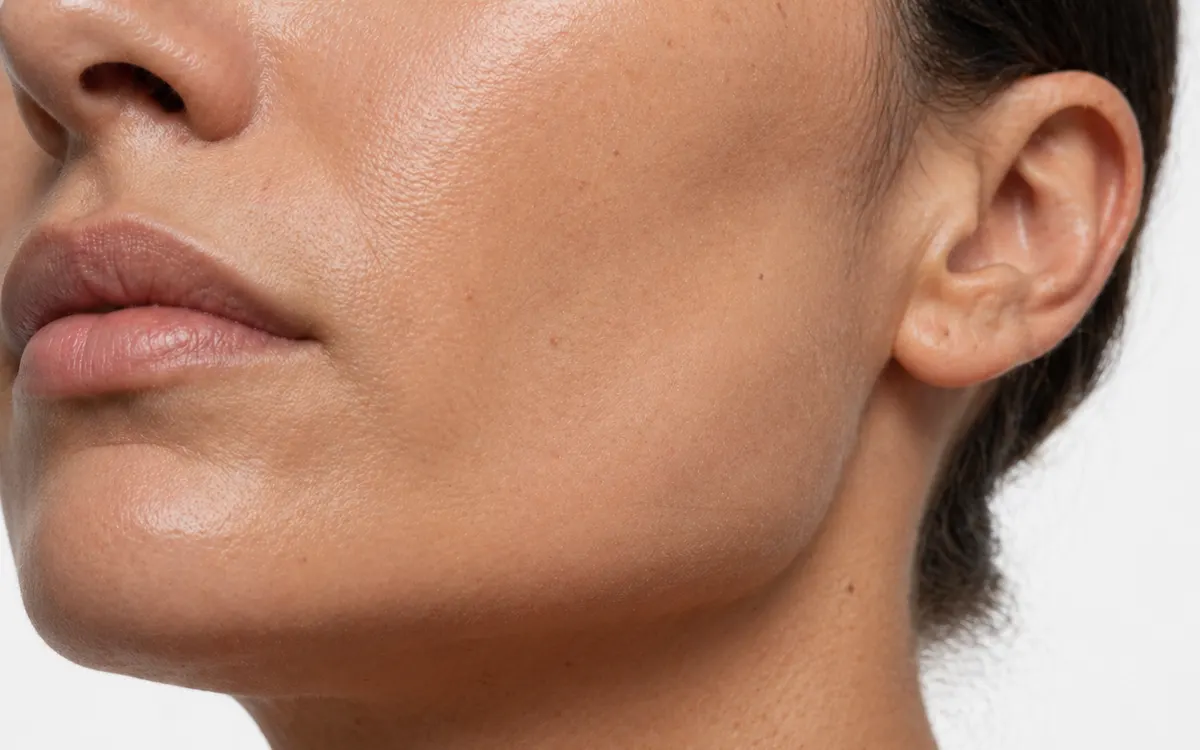
Masseter Muscle Reduction: Your Ultimate Guide to a Slimmer, V-Shaped Jawline
A strong, square jawline can be a defining and attractive feature, but for many individuals, overly developed masseter muscles can lead to…
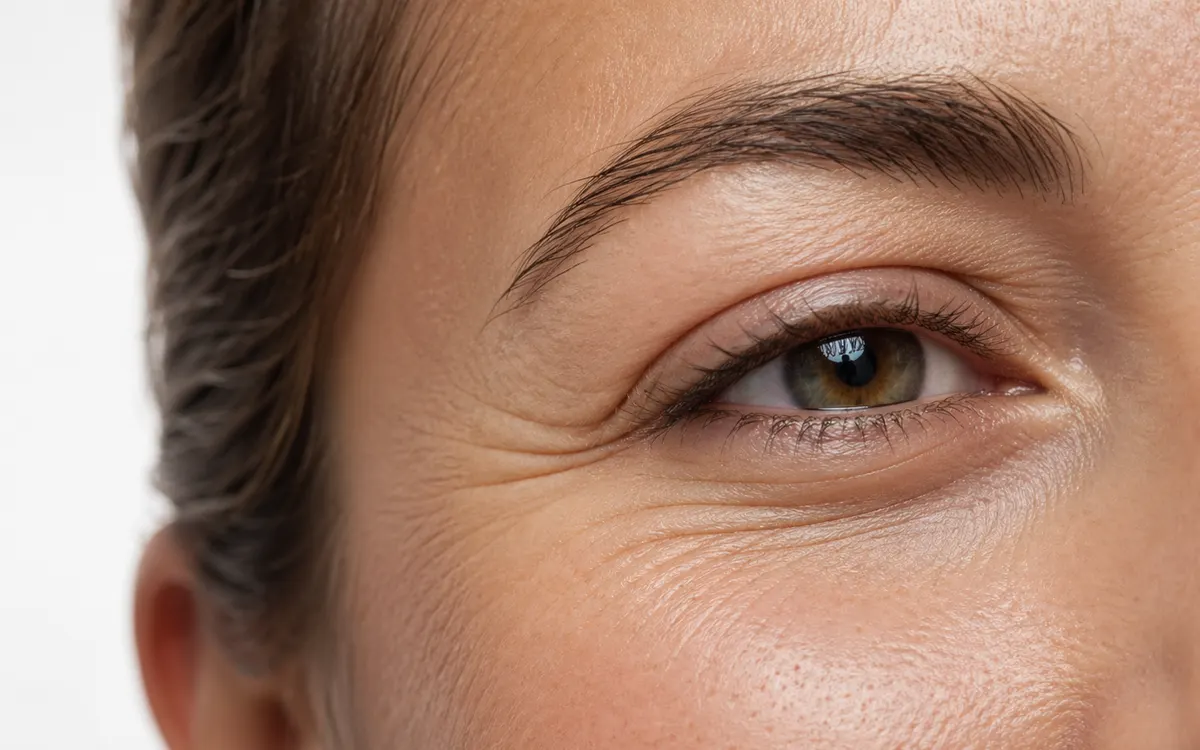
Crow’s Feet: A Complete Guide to Smoothing Eye Wrinkles
The delicate skin around our eyes is often the first place to show signs of a life well-lived, but for many, the fine lines that radiate…

TMJ and Bruxism Treatment: A Comprehensive Guide to Relief with Botulinum Toxin
Living with temporomandibular joint (TMJ) disorder or bruxism can be a debilitating experience, marked by persistent jaw pain, chronic…