
- Home
- Blog
- Anti-Wrinkle Treatments
- Crow’s Feet: A Complete Guide to Smoothing Eye Wrinkles
Treatment Guides · Anti-Wrinkle Treatments
Crow’s Feet: A Complete Guide to Smoothing Eye Wrinkles
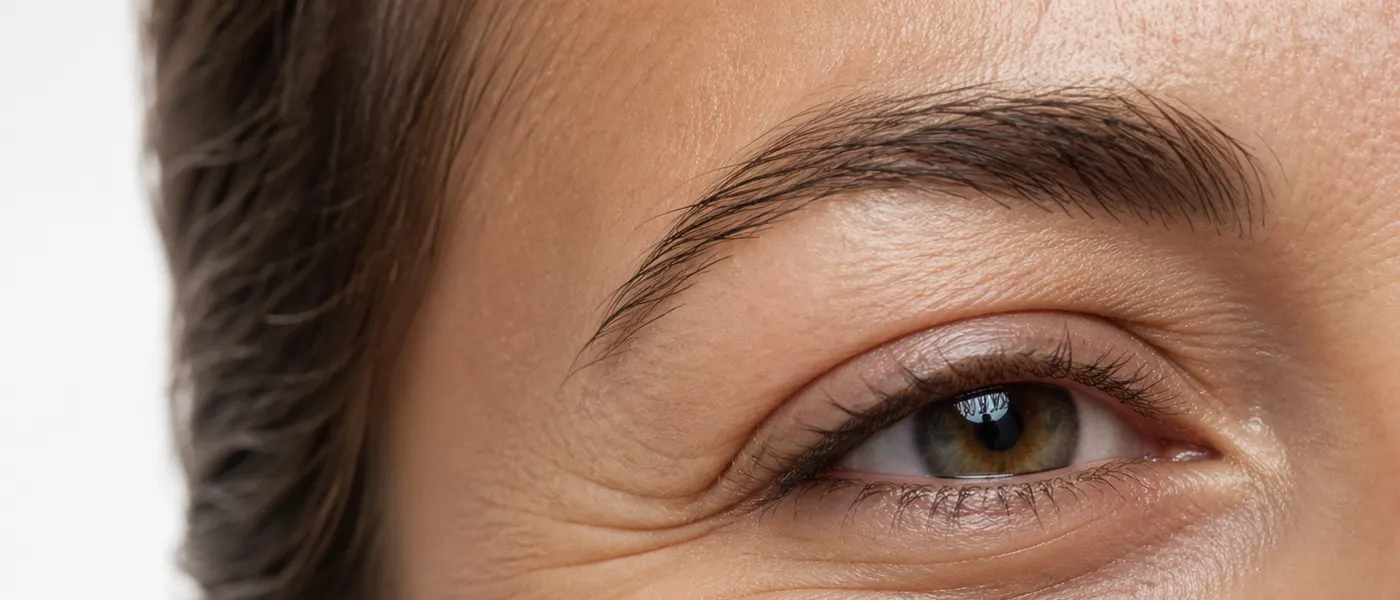
The delicate skin around our eyes is often the first place to show signs of a life well-lived, but for many, the fine lines that radiate from the outer corners, commonly known as crow’s feetare a primary aesthetic concern. These wrinkles, also called lateral canthal lines, can appear as early as your late 20s, deepening over time and affecting your overall facial appearance. While they are a natural part of the ageing process, understanding their cause is the first step toward effective treatment and prevention. At Dr Harry Clinic in Chiswick, London, we specialise in providing expert, tailored solutions to help you achieve smoother, more youthful-looking skin around the eyes.
Quick Answer: Crow’s feet are wrinkles that form around the eyes. They are caused by a combination of repeated muscle contractions from facial expressions (dynamic lines) and the natural ageing process, which involves the loss of collagen and elastin (static lines). Effective treatments range from anti-wrinkle injections to advanced skin therapies that restore volume and improve skin quality.
In This Guide:
- Understanding Crow’s Feet: Dynamic vs. Static Lines
- The Primary Causes of Wrinkles Around the Eyes
- Who Is This Treatment For? Ideal Candidates for Crow’s Feet Treatment
- Expert Treatment Options for Crow’s Feet
- What to Expect During Your Treatment
- Recovery & Aftercare: A Detailed Guide
- Myth vs. Fact: Debunking Crow’s Feet Treatment Misconceptions
- Combining Treatments for Optimal Results
- How to Prevent Crow’s Feet: A Proactive Approach
- Frequently Asked Questions
Understanding Crow’s Feet: Dynamic vs. Static Lines
Not all crow’s feet are the same. They are broadly categorised into two types, and identifying which you have is key to determining the most effective treatment path.
| Type of Line | Description & Cause | Best Initial Treatment |
|---|---|---|
| Dynamic Lines | These are wrinkles that appear only during facial expression, such as smiling or squinting. They are caused by the contraction of the orbicularis oculi muscle surrounding the eye. When your face is at rest, these lines disappear. | Anti-wrinkle injections (Botulinum Toxin) |
| Static Lines | These are wrinkles that are visible even when your face is completely at rest. They are the result of years of repeated dynamic muscle movement, combined with the skin’s natural loss of collagen and elastin over time. | A combination approach: Anti-wrinkle injections to soften muscle contraction, plus skin rejuvenation treatments (e.g., dermal fillers, skin boosters) to address skin quality. |
Expert Insight: “Think of dynamic lines as a piece of paper that you fold and unfold. At first, the crease vanishes. But if you keep folding it in the same place, a permanent line forms. That’s a static line. Our goal is to stop the folding action with crow’s feet treatment while also smoothing out the existing crease with treatments that improve skin quality.”, Dr. Harry
The Primary Causes of Wrinkles Around the Eyes
Crow’s feet are a multifactorial issue, stemming from both intrinsic (natural ageing) and extrinsic (lifestyle and environmental) factors.
1. Repetitive Muscle Contractions
The primary culprit is the repeated contraction of the orbicularis oculi muscle. Every time you smile, laugh, or squint, this circular muscle squeezes the skin at the corners of your eyes, folding it like a fan. Over decades, these expression lines start to become etched into the skin.
2. Collagen and Elastin Depletion
Collagen provides structure and firmness, while elastin gives skin its ability to snap back into place. From our mid-20s, our bodies produce about 1% less collagen each year. This gradual loss of structural support means the skin becomes thinner, less resilient, and more prone to wrinkling. This is why treatments like collagen stimulators are so effective.
3. Sun Exposure (Photoageing)
UV radiation is the single biggest accelerator of skin ageing. It breaks down collagen and elastin fibres at an alarming rate. The skin around the eyes is incredibly thin and delicate, making it particularly vulnerable to sun damage. Squinting in bright sunlight also contributes to the formation of dynamic lines.
4. Lifestyle and Environmental Factors
- Smoking: Smoking restricts blood flow to the skin, depriving it of oxygen and essential nutrients. It also generates free radicals that damage skin cells and accelerate collagen breakdown.
- Dehydration: Skin that lacks moisture appears more wrinkled and less plump. The thin skin around the eyes is often the first place to show signs of dehydration.
- Genetics: Your genes can play a role in how early you develop wrinkles and how your skin ages in general.
Who Is This Treatment For? Ideal Candidates for Crow’s Feet Treatment
Treatment for crow’s feet is suitable for a wide range of individuals who are looking to refresh their appearance and smooth the lines around their eyes. If you are considering treatment, it’s important to have a clear understanding of whether you are a good candidate. The ideal candidate is someone who is looking for a non-surgical solution to reduce the appearance of eye wrinkles and is in good overall health.
Here is a checklist to help you determine if you are an ideal candidate for crow’s feet treatment:
- ✔ You have noticeable fine lines or wrinkles around the outer corners of your eyes.
- ✔ You are bothered by the appearance of these lines, whether they are dynamic (visible with expression) or static (visible at rest).
- ✔ You are in good physical and mental health.
- ✔ You have realistic expectations about the outcome of the treatment.
- ✔ You are not pregnant, planning to become pregnant, or breastfeeding.
- ✔ You do not have any neuromuscular disorders, such as myasthenia gravis or Lambert-Eaton syndrome.
- ✔ You do not have a known allergy to botulinum toxin or any of its ingredients.
- ✔ You do not have an active skin infection in the treatment area.
If you meet these criteria, you are likely a great candidate for treatment. A thorough consultation with Dr. Harry will confirm your suitability and allow for the creation of a personalised treatment plan that addresses your specific concerns and goals. We also offer treatments for other areas, such as forehead lines and frown lines.
Expert Treatment Options for Crow’s Feet
At the Dr. Harry Clinic, we offer a range of evidence-based treatments to effectively soften and manage crow’s feet, tailored to your specific needs.
| Treatment | How It Works & What to Expect |
|---|---|
| 1. Anti-Wrinkle Injections (Botulinum Toxin) | This is the gold standard for treating dynamic crow’s feet. By relaxing the orbicularis oculi muscle, the skin is no longer repeatedly creased, allowing it to smooth out. Results typically last 3-4 months. It is a quick, minimally invasive procedure with no downtime. This treatment can also be used for a lip flip or a brow lift. |
| 2. Dermal Fillers (Hyaluronic Acid) | For deep, static crow’s feet, a very fine hyaluronic acid filler can be carefully placed to plump up the skin and fill the etched lines from beneath. This is an advanced technique that requires a highly skilled practitioner to avoid puffiness. We also use dermal fillers for lip filler and jawline filler. |
| 3. Skin Boosters (e.g., Profhilo®) | Skin boosters are not fillers; they are injectable hyaluronic acid treatments that hydrate the skin from within and stimulate your body’s own collagen and elastin production. This improves overall skin quality, texture, and elasticity, making it an excellent complementary treatment for fine, crepey lines around the eyes. |
| 4. Collagen Stimulators (e.g., Radiesse® and Polynucleotides) | These treatments work by stimulating your body’s natural collagen production, leading to a gradual improvement in skin thickness and elasticity. They are an excellent option for addressing the underlying cause of static lines and improving the overall health of the skin around the eyes. |
| 5. Medical-Grade Skincare | A consistent, high-quality skincare routine is crucial. Key ingredients include: – Retinoids: To promote cell turnover and build collagen. – Vitamin C: An antioxidant to protect against environmental damage. – Peptides: To support skin structure and firmness. |
What to Expect During Your Treatment
Knowing what to expect during your crow’s feet treatment can help you feel more comfortable and prepared. The procedure is quick, straightforward, and minimally invasive.
Here is a step-by-step walkthrough of what you can expect during your appointment at Dr Harry Clinic:
- Consultation: Your appointment will begin with a thorough consultation with Dr. Harry. You will discuss your concerns, medical history, and desired outcomes. Dr. Harry will assess your facial anatomy and determine the most appropriate treatment plan for you.
- Preparation: The treatment area will be cleansed to remove any makeup or impurities. A topical numbing cream may be applied to ensure your comfort, although this is often not necessary as the needles used are ultra-fine.
- Marking the Injection Sites: Dr. Harry may ask you to smile or squint to identify the precise injection points around your eyes. These will be marked to ensure accurate placement of the product.
- The Injections: Using a very fine needle, Dr. Harry will administer a series of small injections into the targeted muscles. You may feel a slight pinch or sting, but the discomfort is minimal and brief. The entire injection process typically takes only a few minutes.
- Post-Treatment Care: After the injections, you may have some minor redness or swelling at the injection sites. This is normal and usually subsides within a few hours. Dr. Harry will provide you with detailed aftercare instructions to ensure the best possible results.
The entire appointment, including the consultation, typically lasts around 30 minutes. You can return to your normal activities immediately after the procedure, making it a convenient treatment to fit into a busy schedule.
Recovery & Aftercare: A Detailed Guide
Recovery from crow’s feet treatment is typically very quick, with minimal downtime. Following the correct aftercare advice is crucial for achieving the best results and minimising the risk of complications.
Here is a detailed table of do’s and don’ts to follow after your treatment:
| Do | Don’t |
|---|---|
| Keep upright for at least 4 hours after treatment. | Do not rub, massage, or apply pressure to the treated area for at least 24 hours. |
| Gently exercise your facial muscles by smiling and frowning for the first hour after treatment. | Avoid strenuous exercise, saunas, and steam rooms for 24 hours. |
| Apply a cool compress to the treated area if you experience any swelling or bruising. | Do not consume alcohol for 24 hours before and after treatment. |
| Follow a gentle skincare routine for the first 24 hours. | Avoid facials, chemical peels, and other skin treatments for at least two weeks. |
| Attend your follow-up appointment as scheduled. | Do not expose the treated area to direct sunlight or tanning beds for 24 hours. |
You will start to see the results of your treatment within 3-5 days, with the full effect visible after two weeks. The results typically last for 3-4 months. To maintain your results, we recommend scheduling regular follow-up treatments.
Myth vs. Fact: Debunking Crow’s Feet Treatment Misconceptions
There are many myths and misconceptions surrounding treatments for crow’s feet, particularly anti-wrinkle injections. It’s important to separate fact from fiction to make an informed decision about your treatment.
| Myth | Fact |
|---|---|
| Myth: You will have a “frozen” or unnatural expression. | Fact: When administered by a skilled and experienced practitioner like Dr. Harry, the goal is to soften the lines while maintaining natural facial expression. The aim is a refreshed and rejuvenated look, not a frozen one. |
| Myth: The treatment is painful. | Fact: The injections are administered with an ultra-fine needle, and any discomfort is minimal and brief. Most patients describe it as a slight pinch. |
| Myth: If you stop the treatments, your wrinkles will get worse. | Fact: This is untrue. If you decide to stop treatment, your muscles will gradually regain their normal function, and your wrinkles will slowly return to how they were before you started treatment. They will not be worse. |
| Myth: It’s only for older people. | Fact: Many people start treatment in their late 20s or early 30s as a preventative measure to stop deep lines from forming in the first place. |
Combining Treatments for Optimal Results
For the most comprehensive and natural-looking results, a multi-faceted approach is often best. Crow’s feet are a result of both muscle action and changes in skin quality, so addressing both is key. At Dr Harry Clinic, we often recommend combining treatments to achieve the best possible outcome.
For example, while anti-wrinkle injections are excellent for relaxing the muscles that cause dynamic lines, they do not address the loss of volume or the decline in skin quality that contributes to static lines. By combining anti-wrinkle injections with treatments such as skin boosters or dermal fillers, we can both relax the muscles and restore volume and hydration to the skin, resulting in a smoother and more youthful appearance. We can also address other areas of the face at the same time, such as the eyes and tear troughs or the cheeks.
Expert Treatment Plan Example: A typical combination plan at our clinic might involve:
1. Initial Treatment: Anti-wrinkle injections to relax the dynamic lines.
2. Follow-up (2-4 weeks later): A course of skin boosters like Profhilo® to improve skin hydration, texture, and elasticity.
3. At-Home Care: A personalised medical-grade skincare regimen including a retinoid and antioxidant serum to maintain and enhance the results.
This layered approach ensures that we are not only stopping the cause of the wrinkles (muscle contraction) but also actively repairing and rejuvenating the skin itself for a smoother, brighter, and more youthful eye area.
How to Prevent Crow’s Feet: A Proactive Approach
While you can’t stop the ageing process, you can significantly slow the development of crow’s feet with a proactive strategy.
- Wear Sunglasses and SPF Daily: This is the most effective preventative measure. Sunglasses stop you from squinting, reducing dynamic muscle contraction. A broad-spectrum SPF of 30 or higher, applied daily around the eye area, protects the delicate skin from UV-induced collagen degradation.
- Start a Retinoid Early: Introducing a gentle, eye-specific retinoid cream into your skincare routine in your late 20s or early 30s can help stimulate collagen production and keep the skin firm and resilient.
- Don’t Smoke: If you smoke, quitting is one of the best things you can do for your skin and overall health.
- Stay Hydrated and Eat Well: A diet rich in antioxidants (found in colourful fruits and vegetables) helps fight free radical damage, while adequate water intake keeps skin plump and healthy.
- Consider Preventative Anti-Wrinkle Injections: For those with very expressive faces, a low dose of anti-wrinkle injections can be used preventatively. This softens the muscle contraction before deep lines have a chance to form, acting as a powerful tool in an anti-ageing strategy.
Frequently Asked Questions
Q: At what age should I start treating crow’s feet?
A: There is no ‘right’ age. Treatment should begin when the lines start to bother you. For some, this is in their late 20s for prevention; for others, it’s later when static lines have formed. A consultation can help determine the best time for you.
Q: Is treatment for crow’s feet painful?
A: The procedure involves a series of very small injections using an ultra-fine needle. Most patients experience only a tiny, brief sting and find the treatment very tolerable. No anaesthetic is typically required.
Q: Will treating my crow’s feet make my smile look unnatural?
A: This is a common concern. When performed by an expert practitioner, the treatment should not affect your smile. The goal is to soften the lines around the eyes, not to freeze your expression. Dr. Harry uses precise, conservative doses to ensure a natural-looking result where you can still express emotion freely.
Q: Can I get crow’s feet treatment if I’m pregnant or breastfeeding?
A: No. As a precaution, anti-wrinkle injections and most other aesthetic procedures are not performed on patients who are pregnant, trying to conceive, or breastfeeding.
Q: How is the dose for crow’s feet determined?
A: The dose is tailored to the individual. It depends on the strength of your orbicularis oculi muscle, the depth of your lines, and your desired outcome. Men often require a slightly higher dose than women due to stronger facial muscles.
Q: How long do the results last?
A: The results of anti-wrinkle injections for crow’s feet typically last for 3-4 months. To maintain your results, we recommend scheduling regular follow-up treatments.
Q: Are there any side effects?
A: The most common side effects are temporary and mild, including redness, swelling, or bruising at the injection sites. These usually resolve within a few hours to a few days. More serious side effects are rare when the treatment is performed by a qualified and experienced practitioner.
Begin Your Journey to Smoother Skin
Crow’s feet are a natural part of ageing, but they don’t have to be a permanent fixture. With the right combination of expert treatments and a proactive skincare strategy, you can significantly soften these lines and restore a more youthful, refreshed appearance to your eye area. At the Dr. Harry Clinic in Chiswick, London, we specialise in creating bespoke treatment plans that deliver beautiful, subtle, and lasting results.
About the author

Aesthetic doctor and clinical director of Dr Harry Clinic, Chiswick and Covent Garden. ACE Group World faculty. GMC 7528423. About Dr Harry
Keep reading
Related articles

Bell’s Palsy After Recovery: Treating Facial Asymmetry and Synkinesis
Botulinum toxin does not cure Bell’s palsy. It treats what it can leave behind: asymmetry between the two sides and synkinesis. What it…
Why Your Face Goes Red: Facial Flushing and Blushing Explained
What is happening in the skin when you flush, which triggers matter, where rosacea differs, and what therapeutic botulinum toxin can and…

Is Profhilo Safe? Side Effects, Risks and What Lowers Them
Profhilo has a strong safety record when it is assessed and given by a trained medical injector. What is normal, what is rare, who should…