- Home
- Blog
- Treatment Innovations
- Preventative Treatments: The Shift in Aesthetic Medicine Approach
Preventative Treatments: The Shift in Aesthetic Medicine Approach

The landscape of aesthetic medicine has undergone a fundamental transformation over the past decade, shifting from a reactive approach focused on correcting established signs of ageing to a proactive philosophy emphasising prevention and maintenance of youthful appearance. This paradigm shift represents one of the most significant developments in modern aesthetic practice, fundamentally changing how both practitioners and patients approach facial rejuvenation.
Understanding preventative aesthetic medicine requires recognising that ageing is a continuous process that begins much earlier than visible signs appear. By the time wrinkles, volume loss, and skin quality changes become apparent, significant underlying structural changes have already occurred. Preventative treatments aim to intervene in this process before irreversible changes develop, maintaining natural beauty and delaying the need for more invasive interventions.
The psychological and social factors driving this shift reflect changing attitudes towards ageing and self-care, with younger generations viewing aesthetic treatments as part of routine wellness and maintenance rather than vanity or desperation. This normalisation of preventative care has created new opportunities for early intervention that can significantly impact long-term aesthetic outcomes.
Modern preventative approaches are based on scientific understanding of ageing mechanisms at cellular and molecular levels, enabling targeted interventions that address specific aspects of the ageing process before they manifest as visible changes. This evidence-based approach ensures that preventative treatments are both effective and appropriate for individual needs and circumstances.
The success of preventative aesthetic medicine depends on accurate assessment of individual ageing patterns, appropriate treatment selection, and long-term planning that evolves with changing needs over time. This comprehensive approach ensures optimal outcomes whilst maintaining natural appearance and avoiding the overdone results that can occur with inappropriate or excessive treatment.
Understanding the Ageing Process
Biological Mechanisms of Facial Ageing
Facial ageing involves complex biological processes that begin at the cellular level long before visible changes appear, making understanding these mechanisms crucial for effective preventative intervention strategies.
Collagen degradation represents one of the primary mechanisms of skin ageing, with collagen production declining by approximately 1% per year after age 25, whilst existing collagen fibres become increasingly damaged and disorganised over time.
Elastin fibre deterioration affects skin elasticity and resilience, with cumulative damage from UV exposure, environmental factors, and natural ageing processes leading to loss of skin’s ability to return to its original shape after stretching or movement.
Cellular turnover rates decrease with age, leading to accumulation of damaged cells, reduced repair capacity, and slower regeneration of healthy tissue that maintains youthful skin appearance and function.
Hyaluronic acid production declines significantly with age, affecting skin hydration, volume, and the plumpness that characterises youthful appearance, with levels dropping by up to 50% by age 50.
Muscle changes including both hyperactivity in expression muscles and weakening of supporting muscles contribute to dynamic wrinkle formation and loss of facial support that characterises ageing appearance.
Bone remodelling affects the skeletal framework that supports facial soft tissues, with age-related bone loss contributing to changes in facial proportions and contours that become more apparent over time.
Fat compartment changes involve both volume loss in some areas and redistribution in others, creating the hollowing and sagging patterns that define aged facial appearance and require different preventative strategies.
Timeline of Ageing Changes
Understanding when different ageing changes typically occur enables strategic timing of preventative interventions for maximum effectiveness and natural-looking results throughout the ageing process.
The twenties typically see the beginning of collagen decline and early expression line formation, making this an ideal time for preventative skincare and potentially early anti-wrinkle treatments in highly expressive individuals.
The thirties often bring more noticeable expression lines, early volume loss, and skin quality changes that respond well to combination preventative approaches including anti-wrinkle treatments, skincare optimisation, and early volume maintenance.
The forties frequently involve accelerated ageing changes including more significant volume loss, skin laxity development, and hormonal influences that require more comprehensive preventative strategies and potentially more frequent treatments.
The fifties and beyond typically see established ageing changes that benefit from intensive preventative maintenance to slow progression and maintain results from earlier interventions whilst potentially requiring corrective treatments for established changes.
Individual variation in ageing timelines is significant, with genetics, lifestyle factors, and environmental exposure creating substantial differences in when and how ageing changes manifest between different people.
Hormonal influences, particularly during perimenopause and menopause, can accelerate certain ageing processes and may require adjustment of preventative treatment strategies to address changing needs effectively.
Environmental and lifestyle factors can significantly accelerate or slow ageing processes, making personalised assessment and treatment planning essential for effective preventative care.
Factors Influencing Ageing Patterns
Multiple factors influence how individuals age, creating the need for personalised preventative approaches that address specific risk factors and ageing patterns for optimal long-term outcomes.
Genetic factors determine baseline ageing patterns, skin characteristics, and susceptibility to various ageing processes, with family history providing valuable insights into likely ageing patterns and appropriate preventative strategies.
Sun exposure represents the most significant modifiable factor in facial ageing, with cumulative UV damage accelerating collagen breakdown, causing pigmentation changes, and dramatically increasing the rate of visible ageing changes.
Lifestyle factors including smoking, alcohol consumption, sleep patterns, stress levels, and nutrition significantly impact ageing rates and the effectiveness of preventative treatments, requiring comprehensive lifestyle assessment and modification.
Environmental exposure to pollution, harsh weather conditions, and other external stressors contributes to accelerated ageing and may require specific protective and preventative measures based on individual circumstances.
Facial expression patterns and habits influence dynamic wrinkle formation, with highly expressive individuals potentially benefiting from earlier preventative anti-wrinkle treatments to prevent permanent line formation.
Medical conditions and medications can affect skin quality, healing capacity, and treatment responses, requiring careful consideration in preventative treatment planning and potentially influencing treatment selection and timing.
Hormonal status, particularly in women, significantly affects skin quality, collagen production, and ageing patterns, with hormonal transitions requiring adjustment of preventative treatment strategies to maintain optimal results.
Preventative Treatment Modalities
Early Anti-Wrinkle Interventions
Preventative anti-wrinkle treatments represent one of the most effective and widely adopted preventative aesthetic interventions, offering the ability to prevent permanent wrinkle formation through strategic muscle relaxation.
The concept of “prejuvenation” involves treating dynamic wrinkles before they become static, permanent lines, using smaller doses of anti-wrinkle products to maintain natural expression whilst preventing permanent creasing.
Optimal timing for preventative anti-wrinkle treatments typically begins when dynamic lines are visible during expression but haven’t yet become permanent features visible at rest, usually in the late twenties to early thirties.
Dosage considerations for preventative treatments often involve using lower doses than corrective treatments, focusing on subtle muscle relaxation that maintains natural expression whilst preventing excessive muscle activity that leads to permanent lines.
Treatment areas for preventative anti-wrinkle interventions commonly include the forehead, crow’s feet, and frown lines, though individual assessment determines the most appropriate areas based on expression patterns and early line development.
Frequency of preventative treatments may be less than corrective treatments, with some patients requiring treatments every 4-6 months rather than the typical 3-4 month intervals needed for established wrinkles.
Patient education about preventative anti-wrinkle treatments is crucial, as younger patients may need guidance about realistic expectations, long-term planning, and the commitment required for effective prevention.
Skin Quality Optimisation
Maintaining and improving skin quality forms the foundation of preventative aesthetic medicine, addressing the underlying health and function of skin before visible ageing changes become established.
Professional skincare treatments including chemical peels, microneedling, and laser therapies can stimulate collagen production, improve skin texture, and address early signs of photoageing before they become more established.
Medical-grade skincare products containing active ingredients such as retinoids, vitamin C, peptides, and growth factors provide ongoing support for skin health and can significantly slow the development of visible ageing changes.
Sun protection represents the most important aspect of skin quality maintenance, with consistent use of broad-spectrum SPF, protective clothing, and lifestyle modifications providing the foundation for all other preventative measures.
Hydration and barrier function optimisation through appropriate moisturising and barrier repair products helps maintain skin resilience and appearance whilst supporting the effectiveness of other preventative treatments.
Antioxidant protection through both topical products and oral supplements can help neutralise free radical damage that accelerates ageing and supports overall skin health and appearance.
Regular professional assessment and treatment adjustment ensures that skincare approaches evolve with changing needs and continue to provide optimal preventative benefits over time.
Volume Maintenance Strategies
Preventative volume maintenance involves addressing early volume loss before significant hollowing and sagging develop, maintaining facial fullness and support that characterises youthful appearance.
Early dermal filler treatments can address subtle volume loss in areas such as the temples, cheeks, and lips before significant deflation occurs, maintaining natural proportions and preventing more dramatic changes.
Skin booster treatments using products like Profhilo can provide subtle volume enhancement whilst improving overall skin quality, offering a gentle approach to volume maintenance that supports natural ageing processes.
Collagen stimulating treatments including certain types of fillers and energy-based devices can promote natural collagen production, providing gradual volume enhancement that develops naturally over time.
Fat preservation strategies including protecting existing facial fat through appropriate skincare, sun protection, and lifestyle measures can help maintain natural volume and delay the need for replacement therapies.
Strategic timing of volume treatments often involves addressing areas in a specific sequence based on typical ageing patterns, with early intervention in key support areas helping to maintain overall facial harmony.
Maintenance protocols for volume treatments typically involve smaller, more frequent treatments rather than large corrections, maintaining natural appearance whilst preventing significant volume loss from developing.
Age-Appropriate Preventative Strategies
Twenties: Foundation Building
The twenties represent the optimal time for establishing preventative habits and potentially beginning early interventions that can significantly impact long-term ageing outcomes and treatment needs.
Skincare foundation establishment involves developing consistent routines with appropriate cleansing, moisturising, sun protection, and potentially introducing active ingredients such as retinoids under professional guidance.
Sun protection habits developed in the twenties provide the most significant long-term benefits for preventing photoageing, with consistent SPF use potentially preventing decades of cumulative damage.
Early assessment of ageing risk factors including family history, lifestyle factors, and expression patterns helps identify individuals who may benefit from early preventative interventions.
Lifestyle optimisation including smoking cessation, stress management, adequate sleep, and proper nutrition provides the foundation for healthy ageing and supports the effectiveness of any future treatments.
Professional consultation in the twenties can establish baseline assessments and long-term planning that guides future treatment decisions and helps identify optimal timing for interventions.
Early anti-wrinkle treatments may be appropriate for highly expressive individuals or those with strong family histories of early wrinkle development, though careful assessment and conservative approaches are essential.
Education about ageing processes and preventative options helps young adults make informed decisions about their long-term aesthetic goals and the role of preventative treatments in achieving them.
Thirties: Early Intervention
The thirties typically represent the beginning of visible ageing changes and the optimal time for implementing comprehensive preventative strategies that can significantly impact long-term outcomes.
Anti-wrinkle treatment initiation often begins in the thirties as dynamic lines become more apparent and the risk of permanent line formation increases, requiring careful assessment and conservative dosing approaches.
Skincare intensification may involve introducing more active ingredients, increasing treatment frequency, and potentially beginning professional treatments to address early signs of photoageing and skin quality changes.
Volume assessment and early intervention can address subtle volume loss before it becomes significant, maintaining facial proportions and preventing more dramatic changes that require larger corrections later.
Lifestyle factor optimisation becomes increasingly important as the cumulative effects of poor habits become more apparent and the window for prevention begins to narrow.
Professional treatment planning should establish comprehensive long-term strategies that address individual ageing patterns and risk factors whilst maintaining natural appearance and avoiding overtreatment.
Hormonal considerations, particularly for women approaching perimenopause, may require adjustment of preventative strategies to address changing skin needs and ageing patterns.
Regular monitoring and treatment adjustment ensures that preventative approaches remain effective and appropriate as ageing patterns develop and individual needs evolve over time.
Forties and Beyond: Intensive Prevention
The forties and beyond require more intensive preventative strategies as ageing processes accelerate and the window for pure prevention narrows, often requiring combination approaches for optimal results.
Comprehensive treatment protocols typically involve multiple modalities addressing different aspects of ageing simultaneously, including anti-wrinkle treatments, volume maintenance, and skin quality optimisation.
Hormonal influences become increasingly significant, particularly during perimenopause and menopause, requiring adjustment of treatment strategies to address changing skin characteristics and ageing patterns.
Maintenance intensification may involve more frequent treatments, higher doses, or additional modalities to maintain results as natural ageing processes accelerate and previous treatments become less effective.
Corrective interventions may become necessary alongside preventative measures as some ageing changes become established despite preventative efforts, requiring careful balance between correction and prevention.
Long-term planning becomes crucial as treatment needs evolve and the cumulative effects of preventative care become apparent, requiring ongoing assessment and strategy adjustment.
Professional expertise becomes increasingly important as treatment complexity increases and the risk of overtreatment or inappropriate interventions grows with more intensive preventative protocols.
Benefits and Limitations of Preventative Approaches
Advantages of Early Intervention
Preventative aesthetic treatments offer numerous advantages over corrective approaches, making early intervention an attractive option for many patients seeking to maintain their natural appearance over time.
Natural-looking results are often easier to achieve with preventative treatments because they work with existing anatomy rather than trying to correct established changes, maintaining facial harmony and avoiding the overdone appearance that can result from corrective treatments.
Cost-effectiveness over time often favours preventative approaches, as maintaining existing features typically requires less product and fewer treatments than correcting established ageing changes, though upfront costs may be higher.
Psychological benefits include increased confidence and reduced anxiety about ageing, with patients often reporting feeling more in control of their appearance and less concerned about future ageing changes.
Treatment tolerance is often better with preventative approaches because smaller doses and less invasive techniques are typically required, reducing the risk of complications and side effects whilst maintaining effectiveness.
Longevity of results may be enhanced with preventative treatments as they work to maintain existing tissue quality rather than trying to restore damaged or aged tissues that may not respond as well to treatment.
Flexibility in treatment planning allows for gradual adjustment and refinement over time, with preventative approaches offering more options for modification and personalisation than corrective treatments.
Social acceptance of preventative treatments is often higher than corrective treatments, as the subtle nature of preventative interventions makes them less noticeable and more socially acceptable to many patients.
Potential Drawbacks and Considerations
While preventative treatments offer many advantages, understanding potential drawbacks and limitations helps ensure realistic expectations and appropriate treatment planning for optimal long-term outcomes.
Long-term commitment requirements mean that preventative treatments typically involve ongoing maintenance for years or decades, requiring significant time and financial investment that some patients may find challenging.
Overtreatment risks can be higher with preventative approaches because the subtle nature of early ageing changes can make it difficult to assess when treatment is necessary or appropriate, potentially leading to unnecessary interventions.
Cost accumulation over time can be significant, with preventative treatments requiring ongoing investment that may exceed the cost of corrective treatments performed later, though this varies significantly between individuals.
Uncertain long-term effects of some newer preventative treatments mean that the long-term safety and efficacy of certain approaches may not be fully established, requiring careful consideration of risk-benefit ratios.
Psychological dependency on treatments can develop, with some patients becoming anxious about maintaining their appearance and potentially seeking excessive or inappropriate treatments to address normal ageing changes.
Social pressure and unrealistic expectations about ageing can drive inappropriate preventative treatment seeking, particularly among younger patients who may not need intervention but feel pressured to prevent normal ageing processes.
Individual variation in ageing patterns means that preventative strategies that work well for some patients may be inappropriate or ineffective for others, requiring careful personalisation and ongoing assessment.
Setting Realistic Expectations
Establishing appropriate expectations for preventative treatments is crucial for patient satisfaction and optimal long-term outcomes, requiring frank discussion about what can and cannot be achieved through preventative approaches.
Prevention versus reversal understanding is essential, as preventative treatments can slow ageing processes and maintain existing appearance but cannot stop ageing entirely or reverse established changes that have already occurred.
Individual variation in results means that preventative treatments will be more effective for some patients than others, depending on genetics, lifestyle factors, and individual ageing patterns that cannot be completely controlled.
Maintenance requirements must be clearly understood, as preventative treatments typically require ongoing commitment and regular maintenance to sustain benefits, with results gradually diminishing if treatments are discontinued.
Natural ageing continuation means that some ageing changes will occur despite preventative treatments, and expectations must be adjusted to account for normal ageing processes that cannot be completely prevented.
Treatment evolution over time may require adjustment of preventative strategies as ageing patterns develop and individual needs change, requiring flexibility and ongoing professional guidance.
Lifestyle factor importance cannot be overstated, as preventative treatments work best when combined with appropriate skincare, sun protection, and healthy lifestyle habits that support overall skin health and treatment effectiveness.
Professional guidance necessity emphasises the importance of working with experienced practitioners who can provide appropriate assessment, treatment planning, and ongoing monitoring to ensure optimal preventative care outcomes.
Long-term Planning and Maintenance
Developing Comprehensive Treatment Plans
Successful preventative aesthetic medicine requires comprehensive long-term planning that addresses individual ageing patterns, lifestyle factors, and treatment goals whilst maintaining flexibility for changing needs over time.
Initial assessment should include detailed evaluation of current appearance, family history, lifestyle factors, and individual goals to develop personalised preventative strategies that address specific risk factors and concerns.
Staged treatment protocols often work best for preventative care, with treatments introduced gradually over time based on developing needs rather than implementing comprehensive interventions all at once.
Budget planning for long-term preventative care helps patients understand the financial commitment required and plan appropriately for ongoing maintenance treatments over years or decades.
Treatment timeline development provides structure for preventative care whilst maintaining flexibility for adjustment based on individual response and changing needs over time.
Monitoring protocols ensure that preventative treatments continue to meet patient goals and that any changes in ageing patterns or treatment needs are identified and addressed promptly.
Professional relationship development is crucial for long-term preventative care success, as ongoing treatment requires trust, communication, and collaboration between patient and practitioner over extended periods.
Monitoring and Adjustment Strategies
Effective preventative care requires ongoing monitoring and adjustment to ensure treatments remain appropriate and effective as ageing patterns develop and individual needs evolve over time.
Regular assessment appointments allow for evaluation of treatment effectiveness, identification of new concerns, and adjustment of preventative strategies based on changing needs and developing ageing patterns.
Photographic documentation provides objective measurement of preventative treatment outcomes and helps identify subtle changes that may not be apparent through visual assessment alone.
Treatment response evaluation includes assessment of how well individual patients respond to different preventative modalities, allowing for optimisation of treatment protocols based on individual characteristics.
Lifestyle factor monitoring helps identify changes in sun exposure, stress levels, health status, or other factors that may affect ageing patterns and require adjustment of preventative strategies.
Technology advancement integration ensures that patients benefit from new preventative treatment options and improved techniques as they become available and appropriate for individual needs.
Goal reassessment allows for modification of treatment objectives as patients age and their priorities or concerns change, ensuring that preventative care continues to meet evolving needs effectively.
Complication monitoring ensures that any adverse effects or suboptimal results from preventative treatments are identified and addressed promptly to maintain safety and effectiveness.
Comprehensive FAQ Section
Understanding Preventative Treatments
What exactly are preventative aesthetic treatments and how do they differ from corrective treatments?
Preventative aesthetic treatments are interventions designed to slow or prevent the development of visible ageing signs before they become established, whilst corrective treatments aim to improve or reverse ageing changes that have already occurred. The fundamental difference lies in timing and approach – preventative treatments work with your existing anatomy to maintain youthful appearance, whilst corrective treatments attempt to restore features that have already changed due to ageing. Preventative anti-wrinkle treatments, for example, use smaller doses to prevent dynamic lines from becoming permanent wrinkles, whilst corrective treatments use larger doses to soften established lines. Preventative volume treatments maintain existing facial fullness before significant loss occurs, whilst corrective volume treatments restore lost volume after deflation has already happened. The results from preventative treatments are typically more subtle and natural-looking because they’re working to maintain rather than dramatically change your appearance. Preventative treatments often require less product, involve lower risks, and provide more natural results, but they require earlier intervention and ongoing maintenance. The psychological approach is also different – preventative treatments are about maintaining confidence in your appearance as you age, whilst corrective treatments often address concerns about changes that have already occurred. Understanding this distinction helps determine the most appropriate timing and approach for your individual goals and circumstances.
At what age should I start considering preventative aesthetic treatments?
The optimal age to begin preventative treatments varies significantly between individuals, but most experts suggest that the late twenties to early thirties is when many people should start considering preventative interventions. However, age alone isn’t the determining factor – it’s more about when you start noticing dynamic lines during expressions or early signs of volume loss. Some highly expressive individuals might benefit from preventative anti-wrinkle treatments in their mid-twenties, whilst others with good genetics and minimal sun damage might not need intervention until their forties. The key is to start when you can see the early signs of ageing developing but before they become permanent features. For most people, this means beginning with excellent skincare and sun protection in their twenties, potentially adding preventative anti-wrinkle treatments in their thirties, and considering volume maintenance in their late thirties or forties. Family history can provide valuable guidance – if your parents developed early wrinkles or significant volume loss, you might benefit from earlier intervention. Lifestyle factors also influence timing – if you have significant sun exposure, are highly expressive, or have other risk factors, earlier intervention might be beneficial. The most important factor is having realistic expectations and understanding that preventative treatments are a long-term commitment. A consultation with an experienced practitioner can help determine the most appropriate timing based on your individual anatomy, ageing patterns, and goals.
Are preventative treatments worth the investment compared to waiting for corrective treatments later?
The value of preventative treatments versus waiting for corrective treatments depends on individual circumstances, but many factors favour early intervention for appropriate candidates. From a purely aesthetic standpoint, preventative treatments often provide more natural-looking results because they work with existing anatomy rather than trying to correct established changes. The psychological benefits can be significant – maintaining confidence in your appearance as you age often provides better quality of life than dealing with concerns about established ageing changes. Financially, the equation is complex – preventative treatments require ongoing investment over many years, but corrective treatments often require larger amounts of product and more frequent treatments to achieve and maintain results. Many patients find that the cumulative cost is similar, but preventative treatments spread the investment over time rather than requiring large expenditures for correction later. The treatment experience is often better with preventative approaches – smaller doses, less downtime, and lower complication risks make the process more comfortable and convenient. However, preventative treatments aren’t right for everyone – they require long-term commitment, regular maintenance, and may not be cost-effective for people who age very slowly or have minimal aesthetic concerns. The decision should be based on your individual ageing patterns, lifestyle, budget, and personal priorities. Some people prefer to age naturally and address concerns only when they become bothersome, whilst others prefer to maintain their appearance proactively. Both approaches are valid, and the choice should align with your personal values and circumstances.
What’s the difference between ‘prejuvenation’ and traditional aesthetic treatments?
Prejuvenation is a term that describes the preventative approach to aesthetic medicine, focusing on maintaining youthful appearance before significant ageing changes occur, whilst traditional aesthetic treatments typically address established ageing concerns. The prejuvenation philosophy emphasises subtle, gradual interventions that work with natural ageing processes rather than dramatic corrections that attempt to reverse established changes. In practical terms, prejuvenation often involves smaller doses of anti-wrinkle treatments to prevent permanent line formation rather than larger doses to soften established wrinkles. Volume treatments in prejuvenation focus on maintaining existing fullness rather than restoring significant volume loss. The treatment frequency may be different too – prejuvenation might involve more frequent, smaller treatments rather than less frequent, larger interventions. The goal of prejuvenation is to age gracefully whilst maintaining natural appearance, rather than achieving dramatic transformation or trying to look significantly younger than your actual age. Patient selection is also different – prejuvenation candidates are typically younger with minimal ageing changes, whilst traditional aesthetic patients often have established concerns they want to address. The psychological approach differs as well – prejuvenation is about prevention and maintenance, whilst traditional treatments often address existing dissatisfaction with appearance changes. Both approaches have their place in aesthetic medicine, and many patients transition from prejuvenation to more corrective treatments as they age. The choice depends on individual goals, timing, and philosophy about ageing and aesthetic intervention.
Treatment Planning and Expectations
How do I know if I’m a good candidate for preventative treatments?
Good candidates for preventative treatments typically have early signs of ageing that haven’t yet become established, realistic expectations about subtle improvement, and commitment to long-term maintenance. Ideal candidates often notice dynamic lines during expressions but don’t have permanent wrinkles at rest, may have early volume loss but still maintain good facial proportions, and have good skin quality that will respond well to preventative interventions. Age isn’t the only factor – some people in their twenties with strong expression patterns or family history of early ageing might benefit from preventative treatments, whilst others in their forties with minimal ageing changes might still be good preventative candidates. Lifestyle factors are important – candidates should be committed to sun protection, good skincare habits, and healthy lifestyle choices that support treatment effectiveness. Financial considerations are crucial since preventative treatments require ongoing investment over many years. Psychological suitability includes having realistic expectations about subtle, natural improvement rather than dramatic transformation, and understanding that preventative treatments slow but don’t stop ageing. Medical suitability involves being healthy enough for treatments and not having contraindications such as pregnancy, certain medical conditions, or unrealistic expectations. The best way to determine candidacy is through consultation with an experienced practitioner who can assess your individual anatomy, ageing patterns, goals, and circumstances. They can help you understand whether preventative treatments are appropriate for your situation and what realistic outcomes you can expect. Remember that preventative treatments aren’t necessary for everyone – some people prefer to age naturally and only seek treatment when specific concerns develop.
What should I expect from my first preventative treatment consultation?
Your first preventative treatment consultation should be comprehensive and educational, focusing on assessment, planning, and expectation setting rather than immediate treatment. The consultation typically begins with detailed discussion of your concerns, goals, family history, lifestyle factors, and previous treatments or skincare routines. The practitioner should conduct thorough visual and tactile assessment of your facial anatomy, skin quality, expression patterns, and early signs of ageing to determine appropriate preventative strategies. Expect detailed explanation of ageing processes relevant to your individual patterns and how different preventative treatments might address your specific concerns. The practitioner should discuss various treatment options, their benefits and limitations, expected outcomes, and maintenance requirements clearly and thoroughly. Cost discussion should include not just initial treatment costs but long-term maintenance requirements and budget planning for ongoing care. Risk assessment should cover potential complications, contraindications, and safety considerations specific to your medical history and circumstances. Timeline planning might include when to start different treatments, how frequently you’ll need maintenance, and how your treatment plan might evolve over time. You should receive detailed information about preparation, aftercare, and what to expect during and after treatments. Most importantly, you should never feel pressured to proceed immediately – good practitioners encourage patients to take time to consider their options and make informed decisions. The consultation should leave you feeling educated about your options and confident in your understanding of preventative treatments, whether or not you decide to proceed.
How much should I budget for long-term preventative care?
Budgeting for preventative aesthetic care requires understanding that this is typically a long-term investment spanning years or decades, with costs varying significantly based on individual needs, treatment choices, and geographic location. For basic preventative care including regular anti-wrinkle treatments, patients might expect to invest £1,000-3,000 annually, though this varies widely based on treatment areas and frequency. More comprehensive preventative programmes including volume maintenance, skin treatments, and multiple modalities might range from £3,000-8,000 annually or more. It’s important to understand that preventative treatments typically start with lower costs that may increase over time as ageing progresses and more intensive maintenance becomes necessary. Many patients find it helpful to think of preventative treatments as part of their overall wellness and self-care budget, similar to gym memberships, quality skincare, or other health and beauty investments. Some practices offer package deals or membership programmes that can provide cost savings for patients committed to long-term preventative care. When budgeting, consider not just the direct treatment costs but also associated expenses such as skincare products, sun protection, and potentially travel to appointments. It’s also wise to budget for occasional additional treatments or adjustments that might be needed based on individual response or changing needs. Many patients find that spreading costs over time through regular treatments is more manageable than large expenditures for corrective treatments later, though individual financial situations vary significantly. The key is to choose a preventative programme that fits comfortably within your budget and lifestyle, as consistency is more important than intensity for long-term success.
Can preventative treatments be combined with other aesthetic procedures?
Yes, preventative treatments can often be effectively combined with other aesthetic procedures to create comprehensive anti-ageing strategies that address multiple aspects of facial ageing simultaneously. Common combinations include anti-wrinkle treatments with dermal fillers to address both dynamic and static ageing changes, skin treatments such as chemical peels or laser therapy with injectable treatments to improve overall skin quality whilst preventing specific ageing signs, and energy-based treatments that stimulate collagen production combined with volume maintenance to support natural tissue quality. The timing and sequencing of combination treatments require careful planning to ensure safety and optimal results. Some treatments can be performed simultaneously, whilst others are better staged over several weeks or months. Professional skincare treatments often complement injectable preventative treatments by maintaining overall skin health and supporting treatment longevity. Advanced treatments such as thread lifts or surgical procedures might be combined with preventative injectable treatments for patients with more significant concerns who still want to maintain a preventative approach to other areas. The key to successful combination treatments is working with experienced practitioners who understand how different modalities interact and can create comprehensive treatment plans that address individual needs safely and effectively. Combination approaches often provide superior results compared to single treatments because they can address the multiple factors that contribute to facial ageing. However, combination treatments also increase complexity, cost, and potential risks, so careful planning and realistic expectation setting are essential. Your practitioner should assess your individual needs and develop a combination approach that maximises benefits whilst maintaining safety and natural-looking results.
Safety and Long-term Considerations
Are there any long-term risks associated with starting preventative treatments young?
Current evidence suggests that preventative aesthetic treatments, when performed appropriately by qualified practitioners, have good long-term safety profiles, though some considerations are important for younger patients. The most established treatments like anti-wrinkle injections have been used safely for decades with extensive safety data, and there’s no evidence that starting these treatments younger creates additional long-term risks when used appropriately. However, younger patients may face different considerations such as longer cumulative exposure over their lifetime, potential changes in treatment goals as they age, and the psychological aspects of long-term treatment dependence. One concern is the potential for overtreatment or inappropriate treatment in younger patients who may not actually need intervention, emphasising the importance of careful assessment and conservative approaches. There’s also the consideration that starting treatments very young might create unrealistic expectations about ageing or lead to excessive treatment seeking as normal ageing changes occur. The long-term effects of some newer treatments and techniques may not be fully established, though this applies to patients of all ages rather than being specific to younger patients. Financial considerations are important for younger patients who may be committing to decades of ongoing treatment costs. The key is ensuring that preventative treatments are truly appropriate and beneficial rather than being driven by social pressure or unrealistic expectations about ageing. Working with experienced practitioners who take conservative approaches and prioritise natural results helps minimise any potential long-term risks. Regular monitoring and willingness to adjust treatment approaches as new evidence emerges ensures the safest possible long-term outcomes. Most experts agree that appropriate preventative treatments in suitable candidates are safe and beneficial, but individual assessment and careful treatment planning are essential.
What happens if I start preventative treatments and then decide to stop?
If you decide to stop preventative treatments, your appearance will gradually return to what it would have been naturally without the treatments, though you may have gained some long-term benefits from the prevention period. For anti-wrinkle treatments, muscle activity will gradually return to pre-treatment levels over 3-6 months, and dynamic lines will begin to form again, though they may develop more slowly than they would have without any preventative intervention. Volume treatments will gradually metabolise, and natural volume loss will resume, though the tissues may be in better condition than they would have been without preventative maintenance. Skin quality treatments often provide some lasting benefits through collagen stimulation and improved skin health, even after treatments are discontinued. The timeline for returning to baseline varies depending on the treatments used and individual factors, but most effects are reversible over several months to a year. Some patients worry about “rebound ageing” or accelerated ageing after stopping treatments, but there’s no evidence that this occurs – you simply resume normal ageing processes from where you left off. Many patients find that they’ve gained valuable time and maintained their appearance longer than they would have naturally, even if they eventually discontinue treatments. The decision to stop treatments might be temporary due to life circumstances, pregnancy, or financial considerations, and treatments can often be resumed later if desired. Some patients choose to reduce treatment frequency rather than stopping completely, maintaining some benefits whilst reducing costs or commitment. The key is that preventative treatments don’t create dependence in a medical sense – they’re a choice that can be modified or discontinued based on changing priorities, circumstances, or goals.
How do I maintain realistic expectations about ageing while using preventative treatments?
Maintaining realistic expectations about ageing whilst using preventative treatments requires understanding that these interventions slow but don’t stop the natural ageing process, and that some changes will occur regardless of preventative measures. It’s important to remember that the goal of preventative treatments is to age gracefully whilst maintaining your natural appearance, not to stop ageing entirely or look dramatically younger than your chronological age. Regular discussions with your practitioner about what’s normal and expected can help maintain perspective and prevent unrealistic expectations from developing. Understanding that preventative treatments work best when combined with good skincare, sun protection, and healthy lifestyle habits helps maintain realistic expectations about what treatments alone can achieve. It’s also important to recognise that individual ageing patterns vary significantly, and your results may differ from others even with similar treatments. Social media and celebrity culture can create unrealistic expectations about ageing and aesthetic treatments, so it’s important to focus on your own goals and circumstances rather than comparing yourself to others. Regular assessment of your goals and satisfaction with treatments helps ensure that your expectations remain realistic and that treatments continue to meet your needs effectively. Remember that some ageing changes are normal and natural, and that the goal isn’t to eliminate all signs of ageing but to age in a way that makes you feel confident and comfortable with your appearance. Working with practitioners who emphasise natural results and clear communication about realistic outcomes helps maintain appropriate expectations throughout your preventative treatment journey. The key is finding the balance between maintaining your appearance and accepting the natural ageing process as part of life.
This comprehensive guide to preventative aesthetic treatments reflects the forward-thinking approach available at Dr. Harry Clinic, where certified trainer Dr. Harry provides expert assessment and planning for long-term aesthetic wellness. For personalised consultation about preventative treatment options appropriate for your age, concerns, and goals, contact our Chiswick clinic to discuss how modern preventative approaches can help you maintain your natural beauty as you age gracefully.
Read:
About the author
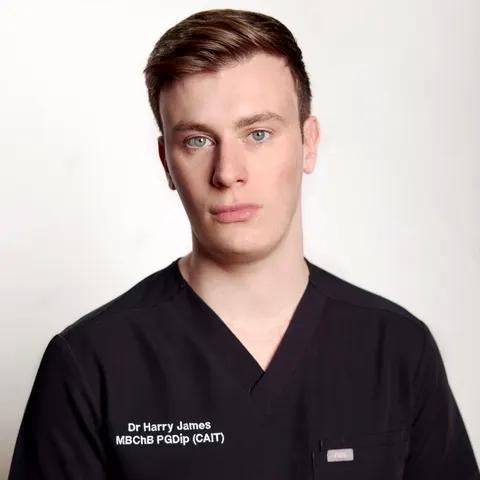
Aesthetic doctor and clinical director of Dr Harry Clinic, Chiswick and Covent Garden. ACE Group World faculty. GMC 7528423. About Dr Harry
Keep reading