- Home
- Blog
- Treatment Innovations
- The Evolution of Aesthetic Medicine: Current Innovations & Future Trends
The Evolution of Aesthetic Medicine: Current Innovations & Future Trends

The field of aesthetic medicine has undergone a remarkable transformation over the past several decades, evolving from a niche specialty practised by a select few to a sophisticated medical discipline that combines cutting-edge science with artistic vision. This evolution represents not merely technological advancement but a fundamental shift in how we understand facial anatomy, ageing processes, and the delicate balance between enhancement and natural beauty.
Understanding this evolution is crucial for anyone considering aesthetic treatments, as it provides context for current practices and insight into where the field is heading. The journey from early cosmetic procedures to today’s precision-based, minimally invasive treatments reflects decades of research, innovation, and refinement that have made aesthetic medicine safer, more effective, and more accessible than ever before.
The transformation of aesthetic medicine has been driven by multiple factors: advances in our understanding of facial anatomy and ageing, development of new technologies and products, changing social attitudes towards cosmetic enhancement, and the emergence of evidence-based practices that prioritise safety and natural-looking results. Each of these factors has contributed to the sophisticated field we see today.
The current landscape of aesthetic medicine is characterised by precision, personalisation, and prevention, with treatments designed to enhance individual beauty rather than create uniform appearances. This represents a significant departure from earlier approaches and reflects a maturation of both the field and patient expectations.
Looking towards the future, aesthetic medicine continues to evolve rapidly, with emerging technologies, new treatment modalities, and innovative approaches promising to further refine and improve outcomes whilst maintaining the safety and naturalness that define modern practice.
This comprehensive exploration examines the fascinating evolution of aesthetic medicine, from its early origins through current innovations to future trends that will shape the next generation of aesthetic treatments.
Historical Foundations and Early Development
The Origins of Cosmetic Enhancement
The desire to enhance one’s appearance is as old as human civilisation itself, with evidence of cosmetic practices dating back thousands of years across various cultures. However, the modern field of aesthetic medicine has its roots in the late 19th and early 20th centuries, when pioneering physicians began developing surgical techniques to address facial deformities and injuries.
The early development of plastic surgery was largely driven by the need to treat soldiers injured in World War I and World War II. Surgeons like Harold Gillies and Archibald McIndoe developed innovative techniques for facial reconstruction that would later form the foundation for cosmetic surgery. These early pioneers established principles of tissue handling, wound healing, and aesthetic restoration that remain relevant today.
The transition from reconstructive to purely aesthetic procedures began in the mid-20th century, as surgeons recognised that the techniques developed for medical necessity could also be applied to enhance normal anatomy. This marked the beginning of elective cosmetic surgery as we know it today.
Early cosmetic procedures were primarily surgical, with facelifts, rhinoplasty, and blepharoplasty being among the first procedures to gain widespread acceptance. These early operations were often extensive, with significant downtime and risks, but they represented the beginning of a new medical specialty focused on aesthetic enhancement.
The development of anaesthesia and antiseptic techniques in the late 19th century made these early cosmetic procedures possible, whilst advances in surgical instruments and techniques throughout the 20th century continued to refine and improve outcomes.
The establishment of professional organisations and training programmes in the mid-20th century helped legitimise aesthetic medicine as a medical specialty, setting standards for education, ethics, and practice that continue to guide the field today.
The Birth of Non-Surgical Aesthetics
The introduction of non-surgical aesthetic treatments marked a revolutionary shift in the field, making aesthetic enhancement accessible to a much broader population whilst reducing risks and downtime associated with surgical procedures.
Botulinum toxin, originally developed as a treatment for muscle spasms and other medical conditions, was serendipitously discovered to have cosmetic benefits when physicians noticed that patients receiving treatment for medical conditions also experienced reduction in facial wrinkles. This observation led to extensive research and eventual approval for cosmetic use in the early 2000s.
The development of botulinum toxin for aesthetic use represented a paradigm shift from permanent surgical alteration to temporary, reversible enhancement. This concept of temporary improvement with minimal risk appealed to many patients who were hesitant about surgical procedures.
Dermal fillers followed a similar trajectory, with early products being developed for medical applications before their aesthetic potential was recognised. The evolution from permanent to temporary fillers reflected growing understanding of the importance of reversibility and safety in aesthetic treatments.
The introduction of hyaluronic acid fillers in the early 2000s marked another significant milestone, as these products offered excellent safety profiles, natural integration with tissues, and the ability to be reversed if necessary. This combination of safety and effectiveness made dermal fillers increasingly popular.
The development of non-surgical treatments also coincided with changing patient expectations and lifestyle demands. Patients increasingly sought treatments that could provide improvement without significant downtime or obvious signs of having had work done.
The success of early non-surgical treatments paved the way for continued innovation in this area, with new products and techniques being developed to address an ever-expanding range of aesthetic concerns.
Technological Advances and Innovation
The evolution of aesthetic medicine has been closely tied to technological advancement, with each new innovation opening up possibilities for safer, more effective, and less invasive treatments.
The development of laser technology for medical applications in the latter half of the 20th century provided aesthetic medicine with powerful new tools for addressing skin concerns, hair removal, and tissue tightening. Early laser systems were often aggressive and required significant downtime, but they demonstrated the potential for energy-based treatments.
The refinement of laser technology led to the development of fractional lasers, which could provide significant improvement with reduced downtime by treating only a fraction of the skin surface whilst leaving surrounding tissue intact for faster healing.
Radiofrequency technology emerged as another important energy-based modality, offering the ability to heat tissues and stimulate collagen production without the surface damage associated with some laser treatments. This technology provided new options for skin tightening and rejuvenation.
Ultrasound technology, originally developed for medical imageing, was adapted for aesthetic use to provide focused energy delivery to specific tissue depths, enabling non-surgical lifting and tightening effects.
The development of cooling systems and other comfort measures made energy-based treatments more tolerable for patients, increasing their acceptance and popularity.
Advances in imageing technology, including high-resolution photography and three-dimensional imageing, improved the ability to assess patients, plan treatments, and document outcomes, contributing to more precise and predictable results.
The integration of computer technology and artificial intelligence is beginning to influence treatment planning and outcome prediction, representing the next frontier in technological advancement.
The Modern Era of Aesthetic Medicine
Evidence-Based Practice and Safety
The maturation of aesthetic medicine has been marked by a shift towards evidence-based practice, with treatments increasingly supported by rigorous scientific research and clinical studies. This evolution has significantly improved both safety and efficacy of aesthetic procedures.
The establishment of regulatory frameworks for aesthetic products and procedures has provided important safeguards for patients whilst ensuring that treatments meet strict standards for safety and effectiveness. Regulatory agencies like the FDA and EMA have played crucial roles in evaluating and approving aesthetic treatments.
Clinical trials and research studies have become standard requirements for new aesthetic products and techniques, providing the evidence base necessary to support their use. This scientific approach has helped identify optimal treatment protocols, potential risks, and expected outcomes.
The development of standardised assessment tools and outcome measures has improved the ability to evaluate treatment effectiveness and compare different approaches. This has led to more refined treatment protocols and better patient selection criteria.
Professional education and training programmes have evolved to emphasise evidence-based practice, ensuring that practitioners are equipped with the knowledge and skills necessary to provide safe, effective treatments.
The establishment of professional guidelines and best practices has helped standardise care and reduce variability in treatment approaches, leading to more consistent and predictable outcomes.
Adverse event reporting systems have improved the ability to identify and address safety concerns, leading to continuous improvement in treatment safety and protocols.
The emphasis on evidence-based practice has also led to better patient education and informed consent processes, ensuring that patients have realistic expectations and understand both benefits and risks of treatments.
Anatomical Understanding and Precision
Modern aesthetic medicine is characterised by unprecedented understanding of facial anatomy and ageing processes, leading to more precise and effective treatment approaches that respect natural anatomy whilst achieving optimal aesthetic outcomes.
Advanced anatomical research, including cadaveric studies and imageing techniques, has revealed the complex three-dimensional structure of facial tissues and how they change with age. This knowledge has revolutionised treatment approaches by identifying the specific anatomical changes that contribute to ageing appearance.
The discovery of facial fat compartments and their individual ageing patterns has led to more sophisticated approaches to volume restoration that recreate natural facial architecture rather than simply adding volume to obvious areas of deflation.
Understanding of fascial planes and supporting structures has enabled treatments that address the root causes of ageing changes rather than just the visible symptoms, leading to more natural and longer-lasting results.
The identification of danger zones and high-risk areas has improved treatment safety by helping practitioners avoid anatomical structures that could be damaged during procedures.
Advanced injection techniques based on anatomical understanding have improved the precision and safety of filler and neurotoxin treatments, allowing for more natural-looking results with reduced risk of complications.
The development of anatomical landmarks and systematic assessment techniques has standardised treatment approaches and improved consistency of outcomes across different practitioners.
Three-dimensional treatment planning, based on understanding of facial proportions and harmony, has enabled more comprehensive and balanced approaches to facial rejuvenation.
The integration of anatomical knowledge with artistic principles has led to treatments that enhance natural beauty whilst maintaining individual characteristics and expressions.
Personalisation and Individual Approach
Contemporary aesthetic medicine emphasises personalisation and individual treatment approaches, recognising that each patient has unique anatomy, ageing patterns, and aesthetic goals that require customised treatment strategies.
The move away from one-size-fits-all approaches reflects growing understanding that facial beauty is highly individual and that treatments should enhance rather than alter natural characteristics. This philosophy has led to more natural-looking results and higher patient satisfaction.
Comprehensive patient assessment techniques have been developed to evaluate individual anatomy, ageing patterns, lifestyle factors, and aesthetic goals, enabling truly personalised treatment planning.
The concept of facial analysis and proportion assessment has become central to treatment planning, ensuring that enhancements maintain natural harmony and balance whilst addressing specific concerns.
Ethnic and cultural considerations have become important factors in treatment planning, with recognition that beauty ideals and anatomical characteristics vary across different populations and that treatments should respect these differences.
Age-appropriate treatment approaches recognise that aesthetic goals and appropriate treatments vary across different life stages, from prevention in younger patients to restoration in older patients.
Lifestyle-based treatment planning considers factors such as profession, social activities, and personal preferences to develop treatment approaches that fit seamlessly into patients’ lives.
The development of treatment algorithms and decision trees has helped systematise personalised treatment planning whilst maintaining flexibility to address individual needs.
Combination treatment approaches, tailored to address multiple aspects of ageing simultaneously, have become standard practice for achieving comprehensive and natural-looking results.
Quality and Safety Standards
The modern era of aesthetic medicine is characterised by rigorous quality and safety standards that protect patients whilst ensuring optimal treatment outcomes. These standards have evolved through decades of experience and continuous improvement.
Professional training and certification requirements have become increasingly stringent, ensuring that practitioners have the knowledge and skills necessary to provide safe, effective treatments. Specialised training programmes focus on anatomy, injection techniques, complication management, and patient care.
Product quality standards have improved significantly, with manufacturers required to meet strict regulatory requirements for safety, efficacy, and consistency. This has led to more reliable and predictable treatment outcomes.
Facility standards and accreditation programmes ensure that treatments are performed in appropriate environments with proper equipment, safety protocols, and emergency preparedness.
Infection control and sterile technique protocols have been standardised to minimise the risk of complications and ensure patient safety during all procedures.
Complication management protocols have been developed to help practitioners recognise, prevent, and treat adverse events when they occur. This includes emergency procedures for serious complications such as vascular occlusion.
Patient selection criteria and contraindication guidelines help ensure that treatments are only performed on appropriate candidates, reducing the risk of complications and unsatisfactory outcomes.
Informed consent processes have been refined to ensure that patients fully understand the benefits, risks, and limitations of treatments before proceeding.
Quality assurance programmes and outcome tracking help identify areas for improvement and ensure that standards are maintained over time.
Current Innovations and Breakthrough Technologies
Next-Generation Injectable Products
The development of next-generation injectable products represents one of the most exciting areas of current innovation in aesthetic medicine, with new formulations and technologies offering improved outcomes, safety, and longevity.
Advanced hyaluronic acid formulations utilise new cross-linking technologies and manufacturing processes to create products with enhanced properties such as improved integration, reduced swelling, and longer duration. These innovations address some of the limitations of earlier filler products.
Cohesive gel technology has enabled the development of fillers with optimal rheological properties for specific applications, allowing for more precise treatment outcomes and reduced risk of complications.
The development of products with different particle sizes and concentrations allows for more targeted treatment approaches, with specific products optimised for different anatomical areas and treatment goals.
Lidocaine integration in filler products has improved patient comfort during treatment whilst maintaining product effectiveness and safety profiles.
New neurotoxin formulations with improved purity, reduced immunogenicity, and enhanced duration are being developed to provide better outcomes with fewer treatments.
Combination products that integrate multiple active ingredients are being explored to provide comprehensive treatment effects in single procedures.
Biostimulatory products that stimulate natural collagen production whilst providing immediate volume enhancement represent an important advancement in achieving natural, long-lasting results.
The development of products specifically designed for different ethnic skin types and anatomical variations reflects the growing emphasis on personalised treatment approaches.
Energy-Based Treatment Advances
Energy-based treatments continue to evolve rapidly, with new technologies and treatment protocols offering improved outcomes for skin rejuvenation, tightening, and body contouring applications.
Fractional radiofrequency technology combines the benefits of radiofrequency heating with fractional delivery, providing significant improvement with reduced downtime and improved safety profiles.
Microneedling radiofrequency systems deliver energy directly to specific tissue depths through insulated needles, enabling precise treatment of different skin layers whilst minimising surface damage.
High-intensity focused ultrasound (HIFU) technology has been refined to provide more comfortable treatments with improved outcomes for skin tightening and lifting applications.
Plasma technology offers new approaches to skin resurfacing and tightening, with some systems providing dramatic results with relatively short recovery periods.
Cryolipolysis and other fat reduction technologies have been improved to provide more effective and comfortable body contouring treatments with reduced side effects.
Combination energy platforms that integrate multiple technologies in single devices allow for comprehensive treatment approaches that address multiple concerns simultaneously.
Real-time temperature monitoring and feedback systems have improved the safety and effectiveness of energy-based treatments by ensuring optimal energy delivery whilst preventing overheating.
Customisable treatment parameters allow practitioners to tailor energy-based treatments to individual patient needs and skin characteristics, improving outcomes and reducing complications.
Regenerative Medicine Applications
The integration of regenerative medicine principles into aesthetic practice represents a significant advancement, offering treatments that harness the body’s natural healing and regenerative processes to achieve aesthetic improvement.
Platelet-rich plasma (PRP) therapy utilises the patient’s own blood components to stimulate tissue regeneration and healing, providing natural improvement in skin quality and texture.
Stem cell therapies are being explored for their potential to regenerate damaged tissues and restore youthful characteristics through natural biological processes.
Growth factor treatments use naturally occurring proteins to stimulate cellular regeneration and repair, offering potential for significant improvement in skin quality and appearance.
Exosome therapy represents a cutting-edge approach that utilises cellular communication molecules to promote tissue regeneration and healing.
Microneedling combined with regenerative treatments enhances the delivery and effectiveness of biological therapies whilst stimulating natural healing responses.
Bioengineered scaffolds and matrices provide frameworks for tissue regeneration whilst delivering active ingredients to promote healing and improvement.
Combination approaches that integrate regenerative treatments with traditional aesthetic procedures may provide synergistic effects and enhanced outcomes.
The development of standardised protocols for regenerative treatments is improving consistency and predictability of outcomes whilst ensuring safety.
Artificial Intelligence and Digital Integration
The integration of artificial intelligence and digital technologies into aesthetic medicine is beginning to transform treatment planning, outcome prediction, and patient care in significant ways.
AI-powered imageing systems can analyse facial anatomy and ageing patterns to provide objective assessment and treatment recommendations, potentially improving consistency and outcomes.
Predictive modelling using machine learning algorithms may enable more accurate outcome prediction and treatment planning, helping patients make informed decisions about procedures.
Digital treatment planning tools allow practitioners to visualise potential outcomes and adjust treatment approaches before performing procedures, improving precision and patient satisfaction.
Automated injection systems are being developed to provide more consistent and precise product delivery, potentially reducing variability in treatment outcomes.
Virtual consultation platforms have expanded access to aesthetic medicine whilst improving the efficiency of patient assessment and treatment planning.
Digital patient education tools provide interactive resources that help patients understand procedures, risks, and expected outcomes, improving informed consent processes.
Outcome tracking and analysis systems utilise digital photography and measurement tools to objectively assess treatment results and identify areas for improvement.
Telemedicine applications enable remote follow-up care and monitoring, improving patient convenience whilst maintaining quality of care.
Future Trends and Emerging Directions
Precision Medicine and Genetic Factors
The future of aesthetic medicine is likely to be increasingly influenced by precision medicine approaches that consider individual genetic factors, biological markers, and personalised treatment responses to optimise outcomes.
Genetic testing may eventually help predict individual responses to different treatments, allowing for more personalised treatment selection and dosing protocols.
Biomarker analysis could provide insights into individual ageing patterns and optimal treatment timing, enabling more effective preventive approaches.
Pharmacogenomics research may identify genetic factors that influence treatment outcomes and complication risks, leading to more personalised and safer treatment protocols.
Epigenetic factors that influence ageing and treatment responses are beginning to be understood, potentially opening new avenues for personalised aesthetic medicine.
Microbiome research may reveal how individual bacterial populations affect skin health and treatment outcomes, leading to new approaches to skin care and aesthetic enhancement.
Metabolomic analysis could provide insights into individual metabolic patterns that affect treatment longevity and optimal maintenance protocols.
The integration of multiple biological factors into comprehensive patient profiles may enable truly personalised treatment approaches that optimise outcomes whilst minimising risks.
Precision medicine approaches may also lead to the development of customised products and treatments tailored to individual genetic and biological characteristics.
Nanotechnology and Advanced Delivery Systems
Nanotechnology represents a promising frontier in aesthetic medicine, offering potential for more effective and targeted delivery of active ingredients whilst reducing side effects and improving outcomes.
Nanoparticle delivery systems may enable more precise targeting of specific tissues and cellular components, improving treatment effectiveness whilst reducing systemic exposure.
Controlled-release formulations using nanotechnology could provide sustained delivery of active ingredients, potentially extending treatment duration and reducing the frequency of procedures.
Targeted delivery systems may enable treatments to reach specific cellular targets more effectively, potentially improving outcomes whilst reducing the amount of product needed.
Biocompatible nanocarriers could improve the integration and acceptance of aesthetic treatments whilst reducing inflammatory responses and complications.
Smart delivery systems that respond to specific biological conditions or triggers may provide more controlled and predictable treatment effects.
Combination nanotechnology platforms could deliver multiple active ingredients simultaneously whilst controlling their release and interaction patterns.
Diagnostic nanotechnology may enable real-time monitoring of treatment effects and tissue responses, allowing for more precise treatment adjustments.
The development of biodegradable nanosystems ensures that delivery vehicles are safely eliminated from the body after completing their function.
Biological and Cellular Therapies
The future of aesthetic medicine is likely to include increasing use of biological and cellular therapies that harness natural healing and regenerative processes to achieve aesthetic improvement.
Advanced stem cell therapies may provide more effective tissue regeneration and rejuvenation than current approaches, potentially offering longer-lasting and more natural results.
Gene therapy applications could potentially address the underlying causes of ageing at the cellular level, offering new approaches to prevention and treatment.
Cellular reprogramming techniques may enable the restoration of youthful cellular function and appearance through biological manipulation.
Tissue engineering approaches could provide new options for volume restoration and structural enhancement using the patient’s own tissues.
Bioactive factor therapies may offer more targeted and effective approaches to stimulating natural healing and regenerative processes.
Immunomodulatory treatments could potentially slow or reverse some aspects of the ageing process by optimising immune system function.
Microbiome modulation may provide new approaches to skin health and aesthetic enhancement through manipulation of bacterial populations.
Combination biological therapies that integrate multiple regenerative approaches may provide synergistic effects and enhanced outcomes.
Minimally Invasive and Preventive Approaches
The trend towards minimally invasive treatments is likely to continue, with new technologies and techniques offering increasingly effective results with reduced downtime and risks.
Micro-invasive procedures that provide significant results with minimal tissue disruption are being developed to meet patient demands for effective treatments with quick recovery.
Preventive aesthetic medicine approaches that address ageing changes before they become apparent are becoming increasingly popular, particularly among younger patients.
Maintenance protocols that sustain aesthetic improvements with minimal intervention are being refined to provide long-term results with reduced treatment burden.
Home-use devices and treatments are being developed to extend professional treatments and provide ongoing maintenance between office visits.
Combination approaches that integrate multiple minimally invasive techniques may provide comprehensive results that rival more invasive procedures.
Real-time monitoring and adjustment systems may enable more precise and effective minimally invasive treatments with improved outcomes.
Biocompatible materials and techniques that work with natural healing processes are being developed to provide effective results with minimal foreign material introduction.
The integration of lifestyle and wellness approaches with aesthetic treatments may provide more comprehensive and sustainable results.
Regional Perspectives: The UK Aesthetic Medicine Landscape
Regulatory Environment and Standards
The United Kingdom has developed a sophisticated regulatory framework for aesthetic medicine that balances patient safety with innovation and accessibility. Understanding this regulatory environment is crucial for both practitioners and patients in the UK market.
The Medicines and Healthcare products Regulatory Agency (MHRA) oversees the approval and regulation of aesthetic products, ensuring that treatments meet strict safety and efficacy standards before being made available to patients.
Professional regulation in the UK involves multiple bodies, including the General Medical Council (GMC) for doctors and various professional organisations that set standards for training and practice in aesthetic medicine.
The development of specific guidelines for aesthetic procedures has helped standardise practice and improve patient safety whilst maintaining flexibility for innovation and individual treatment approaches.
Advertising standards for aesthetic treatments are strictly regulated to ensure that patients receive accurate information about procedures and realistic expectations about outcomes.
The establishment of professional indemnity requirements and insurance standards has provided important protections for both practitioners and patients in the aesthetic medicine field.
Continuing professional development requirements ensure that practitioners maintain current knowledge and skills in this rapidly evolving field.
The UK’s approach to regulation has generally been supportive of innovation whilst maintaining high safety standards, contributing to the country’s position as a leader in aesthetic medicine.
Brexit has created some challenges for regulatory alignment with European standards, but the UK continues to maintain high standards for aesthetic medicine practice.
Market Trends and Consumer Behaviour
The UK aesthetic medicine market has shown consistent growth and evolution, reflecting changing consumer attitudes and increasing acceptance of aesthetic treatments across diverse demographics.
Market research indicates that aesthetic treatments are becoming increasingly mainstream, with growing acceptance across different age groups, genders, and socioeconomic backgrounds.
The trend towards preventive treatments has been particularly strong in the UK, with younger patients seeking treatments to prevent rather than correct ageing changes.
Non-surgical treatments dominate the UK market, with patients increasingly preferring minimally invasive options that provide improvement without significant downtime.
The influence of social media and celebrity culture has contributed to increased awareness and acceptance of aesthetic treatments, whilst also creating challenges around unrealistic expectations.
Economic factors, including the cost of living and disposable income trends, continue to influence market growth and patient treatment choices.
The COVID-19 pandemic has had significant impacts on the aesthetic medicine market, with changes in patient priorities and treatment preferences that continue to influence the field.
Regional variations within the UK reflect different cultural attitudes, economic conditions, and access to treatments across England, Scotland, Wales, and Northern Ireland.
The growth of medical tourism, both inbound and outbound, has influenced the UK market and created both opportunities and challenges for domestic practitioners.
Innovation and Research Leadership
The United Kingdom has established itself as a leader in aesthetic medicine research and innovation, with significant contributions to the development of new treatments and techniques.
UK-based research institutions and universities have made important contributions to understanding facial anatomy, ageing processes, and treatment mechanisms that have influenced global practice.
Clinical trials and research studies conducted in the UK have provided important evidence for the safety and efficacy of aesthetic treatments, contributing to regulatory approvals and treatment protocols.
The development of new products and technologies by UK-based companies has contributed to global advancement in aesthetic medicine.
Professional education and training programmes in the UK are recognised internationally for their quality and comprehensiveness, attracting students from around the world.
The UK’s National Health Service (NHS) has provided unique opportunities for research into reconstructive and aesthetic procedures, contributing to advancement in both fields.
Collaboration between academic institutions, industry, and clinical practitioners has fostered innovation and rapid translation of research findings into clinical practice.
The UK’s position as a global financial centre has attracted investment in aesthetic medicine companies and research, supporting continued innovation and development.
International conferences and professional meetings held in the UK have facilitated knowledge exchange and collaboration that benefits the global aesthetic medicine community.
Training and Professional Development
The UK has developed comprehensive training and professional development programmes for aesthetic medicine that are recognised as among the best in the world.
Medical schools and postgraduate training programmes increasingly include aesthetic medicine components, reflecting the growing importance of this field in medical practice.
Specialised training courses and certification programmes provide practitioners with the specific knowledge and skills needed for safe and effective aesthetic practice.
Hands-on training opportunities, including cadaveric courses and supervised clinical experience, ensure that practitioners develop practical skills alongside theoretical knowledge.
Continuing professional development requirements ensure that practitioners maintain current knowledge in this rapidly evolving field.
Professional organisations and societies provide ongoing education, networking opportunities, and support for practitioners at all levels of experience.
International training opportunities and exchanges allow UK practitioners to learn from global experts whilst sharing their own expertise internationally.
The development of standardised competency frameworks helps ensure consistent training quality and practitioner capabilities across different programmes.
Mentorship programmes connect experienced practitioners with those new to the field, providing valuable guidance and support for professional development.
Impact on Healthcare and Society
Changing Perceptions and Social Acceptance
The evolution of aesthetic medicine has been accompanied by significant changes in social perceptions and acceptance of cosmetic treatments, reflecting broader shifts in attitudes towards self-care and personal enhancement.
The destigmatisation of aesthetic treatments has made them more accessible to a broader population, with treatments increasingly viewed as part of normal self-care rather than vanity or superficiality.
Media representation of aesthetic medicine has evolved from sensationalised coverage to more balanced and educational content that helps inform public understanding.
Celebrity and influencer openness about aesthetic treatments has contributed to normalisation whilst also creating challenges around unrealistic expectations and treatment pressure.
The integration of aesthetic treatments into mainstream healthcare has improved acceptance and reduced the perception of cosmetic procedures as purely elective or frivolous.
Generational differences in attitudes towards aesthetic treatments reflect changing social norms and values, with younger generations generally more accepting of cosmetic enhancement.
Gender differences in treatment acceptance and preferences continue to evolve, with increasing male participation in aesthetic medicine.
Cultural and ethnic considerations play important roles in treatment acceptance and preferences, requiring sensitive and personalised approaches to patient care.
The impact of social media on treatment demand and expectations has created both opportunities and challenges for practitioners and patients.
Economic Impact and Healthcare Integration
The growth of aesthetic medicine has had significant economic impacts, creating new industries, employment opportunities, and healthcare sector contributions.
The aesthetic medicine industry has become a significant economic sector, generating billions in revenue and supporting thousands of jobs across various roles and specialties.
The development of aesthetic medicine has spurred innovation in related industries, including pharmaceuticals, medical devices, and healthcare technology.
Training and education in aesthetic medicine have created new academic and professional development opportunities, contributing to healthcare workforce development.
The integration of aesthetic treatments into traditional medical practices has provided new revenue streams for healthcare providers whilst expanding patient care options.
Medical tourism related to aesthetic treatments has created international economic opportunities whilst also raising questions about quality and safety standards.
Insurance and financing options for aesthetic treatments have evolved to make procedures more accessible whilst manageing costs and risks.
The economic impact of complications and poor outcomes has highlighted the importance of quality standards and practitioner training.
Research and development investments in aesthetic medicine have contributed to broader medical advancement and innovation.
Ethical Considerations and Professional Responsibility
The growth of aesthetic medicine has raised important ethical considerations that continue to influence practice standards and professional responsibilities.
Informed consent processes have become increasingly sophisticated to ensure that patients fully understand the benefits, risks, and limitations of treatments.
The balance between patient autonomy and professional responsibility requires careful consideration, particularly when patients have unrealistic expectations or psychological concerns.
Advertising and marketing ethics in aesthetic medicine require careful attention to ensure accurate representation of treatments and outcomes.
The responsibility to refuse inappropriate treatments or unsuitable patients is an important aspect of ethical practice that requires professional judgement and courage.
Body dysmorphic disorder and other psychological conditions require special consideration and may necessitate referral to mental health professionals.
The use of aesthetic treatments in younger patients raises particular ethical concerns about consent, necessity, and long-term impacts.
Professional boundaries and the therapeutic relationship in aesthetic medicine require careful management to maintain appropriate standards of care.
The responsibility for ongoing care and complication management extends beyond the immediate treatment period and requires long-term commitment to patient welfare.
Frequently Asked Questions
Understanding the Evolution of Aesthetic Medicine
How has aesthetic medicine changed over the past 20 years?
The transformation has been remarkable: we’ve moved from primarily surgical procedures with significant downtime to sophisticated non-surgical treatments that provide excellent results with minimal recovery. The biggest changes include the development of advanced injectable products like modern dermal fillers and refined neurotoxins; energy-based treatments for skin tightening and rejuvenation; evidence-based practice with rigorous safety standards; and personalised treatment approaches that enhance individual beauty rather than creating uniform results. Perhaps most importantly, there’s been a fundamental shift towards understanding facial anatomy and ageing processes, leading to treatments that address root causes rather than just symptoms.
What role has technology played in advancing aesthetic medicine?
Technology has been absolutely crucial in advancing the field. Laser and energy-based technologies have provided new options for skin rejuvenation and tightening without surgery. Advanced imageing has improved our understanding of facial anatomy and ageing patterns. Manufacturing innovations have created safer, more effective injectable products with better integration and longevity. Digital technologies are beginning to enable AI-assisted treatment planning and outcome prediction. Even seemingly simple advances like better cooling systems and comfort measures have made treatments more tolerable and accessible to patients.
How has the understanding of facial anatomy changed aesthetic treatments?
Our understanding of facial anatomy has revolutionised aesthetic medicine. The discovery of distinct facial fat compartments and how they age individually has led to more sophisticated volume restoration approaches. Understanding fascial planes and supporting structures has enabled treatments that provide lift and support rather than just volume. Knowledge of vascular anatomy has dramatically improved safety by helping practitioners avoid dangerous areas. This anatomical knowledge has shifted the focus from simply filling obvious areas of deflation to recreating the complex three-dimensional architecture that characterises youthful faces.
Current Innovations and Technologies
What are the most significant recent innovations in aesthetic medicine?
Recent innovations include next-generation hyaluronic acid fillers with improved properties and longevity; advanced neurotoxin formulations with enhanced purity and duration; sophisticated energy-based treatments that combine multiple technologies; regenerative treatments using PRP, stem cells, and growth factors; AI-assisted treatment planning and outcome prediction; and minimally invasive techniques that provide significant results with reduced downtime. Perhaps most importantly, there’s been innovation in treatment approaches, with emphasis on combination therapies that address multiple aspects of ageing simultaneously.
How do modern treatments compare to earlier aesthetic procedures?
Modern treatments are dramatically superior in terms of safety, effectiveness, and naturalness of results. Earlier procedures often involved significant risks, lengthy recovery periods, and sometimes artificial-looking outcomes. Today’s treatments are based on extensive research and clinical evidence, use products that integrate naturally with tissues, and employ techniques that respect individual anatomy. The shift from permanent alterations to temporary, adjustable treatments has also improved safety and patient satisfaction. Recovery times have been reduced from weeks to days or hours, making treatments accessible to people with busy lifestyles.
What role does personalisation play in modern aesthetic medicine?
Personalisation is central to modern practice. We now recognise that each patient has unique anatomy, ageing patterns, and aesthetic goals that require customised approaches. This includes considering factors like facial structure, ethnicity, lifestyle, and personal preferences when planning treatments. Advanced assessment techniques help identify individual characteristics and needs. Treatment combinations are tailored to address specific concerns while maintaining natural harmony. Even product selection and injection techniques are customised based on individual anatomy and desired outcomes.
Future Trends and Developments
What can we expect from aesthetic medicine in the next 10 years?
The next decade will likely bring precision medicine approaches that consider genetic factors and individual biological markers to optimise treatments. Nanotechnology may enable more targeted and effective delivery of active ingredients. Regenerative medicine will probably expand significantly, with advanced stem cell therapies and tissue engineering approaches. AI and digital technologies will become more integrated into treatment planning and outcome prediction. We’ll likely see continued development of minimally invasive techniques that provide increasingly dramatic results with minimal downtime. Preventive approaches will probably become even more sophisticated and popular.
How might artificial intelligence change aesthetic medicine?
AI has enormous potential to transform the field. It could provide more accurate outcome prediction by analysing vast databases of treatment results. AI-assisted treatment planning might help optimise approaches for individual patients. Automated systems could potentially provide more consistent product delivery and injection techniques. AI could help identify optimal treatment timing and maintenance protocols based on individual ageing patterns. It might also improve safety by identifying high-risk patients or anatomical variations. However, the human element of aesthetic judgement and patient care will remain crucial.
Will aesthetic treatments become more accessible in the future?
Accessibility will likely improve through several mechanisms: continued development of less expensive treatment options; improved safety profiles that reduce risks and complications; shorter treatment times and reduced downtime; home-use devices for maintenance and minor treatments; and better financing and payment options. However, quality and safety standards must be maintained as accessibility increases. The key will be making treatments more accessible without compromising on safety or effectiveness.
Safety and Regulation
How have safety standards evolved in aesthetic medicine?
Safety standards have improved dramatically through rigorous regulatory oversight of products and procedures; comprehensive practitioner training and certification requirements; evidence-based practice supported by clinical research; standardised protocols for treatment and complication management; improved understanding of anatomy and risk factors; better patient selection criteria and contraindication guidelines; and enhanced emergency preparedness and complication management. The emphasis on reversible treatments has also improved safety by reducing the consequences of unsatisfactory outcomes.
What role do regulatory bodies play in aesthetic medicine advancement?
Regulatory bodies like the MHRA in the UK play crucial roles in ensuring that new treatments meet strict safety and efficacy standards before approval. They evaluate clinical trial data, monitor adverse events, and update guidelines based on new evidence. This regulatory oversight provides important patient protections whilst also driving innovation by establishing clear standards for product development. Professional regulatory bodies also set training standards and practice guidelines that ensure practitioners have appropriate qualifications and maintain current knowledge.
How can patients ensure they receive safe, effective treatments?
Patients should choose qualified, experienced practitioners who have appropriate medical training and specialisation in aesthetic medicine; verify that practitioners are properly registered and insured; ensure treatments are performed in appropriate clinical settings; ask about the practitioner’s experience with specific procedures; understand the products being used and their safety profiles; have realistic expectations based on evidence rather than marketing claims; and ensure proper consultation, consent, and follow-up care processes. Research and education are key to making informed decisions about aesthetic treatments.
The evolution of aesthetic medicine represents one of the most remarkable transformations in modern healthcare, combining scientific advancement with artistic vision to create a field that enhances both appearance and quality of life. Understanding this evolution provides valuable context for current practice and insight into the exciting future developments that will continue to refine and improve aesthetic medicine for generations to come.
Latest posts:
- Bell’s Palsy After Recovery: Treating Facial Asymmetry and Synkinesis
- Collagen Stimulators vs Skin Boosters: Which One Does Your Skin Need?
- Why Your Face Goes Red: Facial Flushing and Blushing Explained
- Is Profhilo Safe? Side Effects, Risks and What Lowers Them
- Profhilo vs Polynucleotides: Which Skin Quality Treatment Do You Need?
About the author
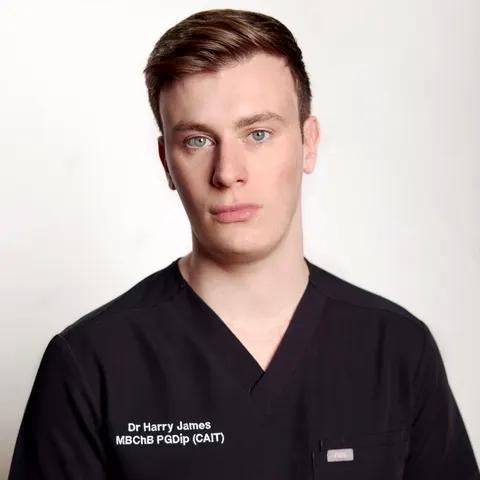
Aesthetic doctor and clinical director of Dr Harry Clinic, Chiswick and Covent Garden. ACE Group World faculty. GMC 7528423. About Dr Harry
Keep reading