
- Home
- Blog
- Industry Developments
- The State of Aesthetic Medicine in the UK
The State of Aesthetic Medicine in the UK

The United Kingdom’s aesthetic medicine landscape has undergone remarkable transformation over the past decade, evolving from a niche specialty into a sophisticated, regulated industry that serves hundreds of thousands of patients annually whilst maintaining some of the world’s highest safety and quality standards. Understanding this landscape is crucial for anyone considering aesthetic treatments, as it provides context for treatment options, regulatory protections, and the factors that influence both access and quality of care.
The current state of aesthetic medicine in the UK reflects a unique combination of factors: rigorous regulatory oversight that prioritises patient safety, a highly educated and discerning patient population, strong professional training standards, and a competitive marketplace that drives innovation whilst maintaining quality. These elements have created an environment where patients can access world-class treatments with confidence in both safety and outcomes.
The evolution of the UK aesthetic medicine market has been influenced by changing social attitudes towards cosmetic enhancement, increasing awareness of treatment options, technological advances that have made procedures safer and more effective, and economic factors that have affected both demand and accessibility. Understanding these influences helps explain current market dynamics and future trends.
The regulatory environment in the UK has played a particularly important role in shaping the aesthetic medicine landscape, with agencies like the MHRA and professional bodies establishing standards that protect patients whilst supporting innovation and professional development. This regulatory framework has contributed to the UK’s reputation as a leader in aesthetic medicine safety and quality.
The impact of global events, including Brexit and the COVID-19 pandemic, has created both challenges and opportunities for the UK aesthetic medicine sector, influencing everything from product availability to patient behaviour and practice operations. These impacts continue to shape the current landscape and future development of the field.
This comprehensive analysis examines the current state of aesthetic medicine in the UK, exploring market trends, regulatory developments, professional standards, patient demographics, and the factors that will likely influence the field’s future development.
Market Overview and Industry Analysis
Market Size and Growth Trends
The UK aesthetic medicine market has demonstrated consistent growth over the past decade, with current estimates suggesting an annual market value exceeding £3.6 billion, making it one of the largest aesthetic medicine markets in Europe and a significant contributor to the UK healthcare economy.
Non-surgical treatments dominate the UK market, accounting for approximately 85% of all aesthetic procedures performed annually. This preference for minimally invasive treatments reflects both patient preferences for procedures with minimal downtime and the increasing sophistication of non-surgical options that can achieve significant results.
The growth trajectory of the UK aesthetic medicine market has been remarkably consistent, with annual growth rates averageing 8-12% over the past five years, significantly outpacing many other healthcare sectors. This growth reflects increasing acceptance of aesthetic treatments, expanding treatment options, and growing awareness of available procedures.
Regional variations within the UK market are significant, with London and the South East accounting for approximately 40% of all aesthetic procedures, followed by other major metropolitan areas including Manchester, Birmingham, and Edinburgh. These regional differences reflect both population density and economic factors that influence treatment accessibility.
The demographic profile of aesthetic medicine patients in the UK has evolved significantly, with treatments now popular across a broader age range and socioeconomic spectrum than previously. The traditional patient profile of affluent women over 40 has expanded to include younger patients seeking preventive treatments, men seeking aesthetic enhancement, and patients from diverse economic backgrounds.
Market segmentation analysis reveals that anti-wrinkle treatments account for approximately 45% of all procedures, followed by dermal fillers at 30%, skin treatments at 15%, and other procedures including body contouring and hair restoration making up the remainder. This distribution reflects both the popularity and accessibility of injectable treatments.
The economic impact of the aesthetic medicine industry extends beyond direct treatment revenues to include employment for thousands of healthcare professionals, support staff, and related service providers, as well as significant contributions to medical tourism and the broader healthcare economy.
Future market projections suggest continued growth, with industry analysts predicting the UK aesthetic medicine market could reach £5 billion by 2028, driven by continued innovation, expanding treatment options, and growing social acceptance of aesthetic enhancement.
Consumer Demographics and Behaviour
The demographic profile of UK aesthetic medicine patients has undergone significant evolution, reflecting changing social attitudes and expanding accessibility of treatments across different population segments.
Age demographics show a broadening patient base, with the fastest-growing segment being patients aged 25-35 seeking preventive treatments, whilst the traditional 45-55 age group remains the largest consumer segment. Interestingly, patients over 65 represent a growing market segment, reflecting both increased longevity and changing attitudes towards ageing.
Gender distribution in the UK aesthetic medicine market shows approximately 85% female and 15% male patients, though male participation is growing rapidly, with some treatments like anti-wrinkle injections for men showing annual growth rates exceeding 25%.
Geographic distribution of patients reflects both population density and economic factors, with urban areas showing higher treatment rates than rural regions. However, the growth of medical tourism within the UK has led to increased patient mobility, with many patients travelling significant distances for specialist treatments.
Socioeconomic analysis reveals that aesthetic treatments are no longer limited to high-income demographics, with the growth of financing options and more affordable treatment packages making procedures accessible to middle-income patients. However, significant disparities remain, with treatment access still correlated with disposable income levels.
Educational background analysis shows that aesthetic medicine patients tend to be well-educated, with university graduates representing a disproportionately high percentage of patients. This correlation likely reflects both income levels and health literacy that enables informed treatment decisions.
Professional demographics indicate that healthcare workers, education professionals, and business executives represent significant patient populations, possibly reflecting both income levels and awareness of treatment options through professional networks.
Treatment motivation analysis reveals that patients seek aesthetic treatments for various reasons, including professional advancement, personal confidence, special events, and general well-being, with preventive motivations becoming increasingly common among younger patients.
Technology Adoption and Innovation
The UK aesthetic medicine market has been characterised by rapid adoption of new technologies and innovative treatment approaches, reflecting both professional commitment to advancement and patient demand for the latest and most effective treatments.
Energy-based treatments have seen particularly rapid adoption in the UK market, with technologies like radiofrequency, ultrasound, and laser treatments becoming increasingly popular for skin tightening, rejuvenation, and body contouring applications.
The integration of artificial intelligence and digital technologies into aesthetic practice is beginning to influence the UK market, with AI-assisted treatment planning, digital imageing, and outcome prediction tools being adopted by leading practitioners.
Telemedicine and digital consultation platforms gained significant traction during the COVID-19 pandemic and continue to play important roles in patient assessment, follow-up care, and treatment planning, improving accessibility whilst maintaining quality of care.
Advanced injection techniques and products have been rapidly adopted in the UK, with practitioners quick to integrate new filler technologies, improved neurotoxin formulations, and sophisticated injection methods into their practice.
Regenerative medicine applications, including PRP therapy, stem cell treatments, and growth factor therapies, are gaining popularity in the UK market, reflecting patient interest in natural and biological approaches to aesthetic enhancement.
Combination treatment approaches that integrate multiple technologies and techniques have become standard practice in the UK, with practitioners developing sophisticated protocols that address multiple aspects of ageing simultaneously.
Home-use devices and treatments are becoming increasingly popular in the UK market, with patients seeking ways to maintain and extend professional treatments between office visits.
The adoption of new technologies in the UK is influenced by regulatory approval processes, professional training availability, and patient demand, creating a market that is both innovative and safety-conscious.
Regulatory Framework and Professional Standards
Government Regulation and Oversight
The UK’s regulatory framework for aesthetic medicine is among the most comprehensive in the world, providing important patient protections whilst supporting innovation and professional development in the field.
The Medicines and Healthcare products Regulatory Agency (MHRA) serves as the primary regulatory body for aesthetic medicine products, overseeing the approval, safety monitoring, and quality control of dermal fillers, neurotoxins, and medical devices used in aesthetic procedures.
The MHRA’s regulatory approach emphasises evidence-based approval processes, requiring extensive clinical data and safety studies before products can be marketed in the UK. This rigorous approach has contributed to high safety standards but has also sometimes delayed access to innovative treatments.
Post-market surveillance and adverse event reporting systems enable the MHRA to monitor product safety continuously and take action when safety concerns arise. This ongoing monitoring has led to important safety improvements and product recalls when necessary.
The regulation of aesthetic devices and equipment follows similar rigorous standards, with requirements for safety testing, clinical evidence, and ongoing quality monitoring that ensure patients receive treatments using safe, effective equipment.
Advertising and marketing regulations for aesthetic treatments are strictly enforced, requiring accurate representation of treatments and outcomes whilst prohibiting misleading claims or unrealistic expectations. These regulations help protect patients from false or exaggerated marketing claims.
Professional regulation involves multiple bodies, including the General Medical Council (GMC) for doctors, with specific guidelines and standards for aesthetic medicine practice that address training, competency, and professional conduct.
Brexit has created some challenges for regulatory alignment with European standards, but the UK has maintained high regulatory standards whilst developing independent approval processes for new products and treatments.
The regulatory environment continues to evolve, with ongoing consultations and policy development aimed at maintaining patient safety whilst supporting innovation and professional development in aesthetic medicine.
Professional Training and Certification
The UK has developed comprehensive training and certification systems for aesthetic medicine that are recognised internationally for their quality and rigour, ensuring that practitioners meet high standards of competency and safety.
Medical training requirements for aesthetic medicine practitioners typically include completion of medical school, postgraduate training, and specialised aesthetic medicine education that covers anatomy, injection techniques, safety protocols, and patient care.
Professional organisations including the British College of Aesthetic Medicine (BCAM), the British Association of Aesthetic Plastic Surgeons (BAAPS), and others provide training programmes, certification, and ongoing professional development opportunities.
Specialised training courses covering specific techniques, products, and procedures are widely available, with many programmes offering hands-on instruction, cadaveric training, and supervised clinical experience.
Certification requirements typically include completion of approved training programmes, demonstration of competency through practical and written examinations, and ongoing continuing education commitments.
International training opportunities and collaborations allow UK practitioners to learn from global experts whilst sharing their own expertise internationally, contributing to the advancement of aesthetic medicine worldwide.
Quality assurance in training programmes includes accreditation processes, standardised curricula, and outcome monitoring that ensure consistent, high-quality education across different providers.
Continuing professional development requirements ensure that practitioners maintain current knowledge and skills throughout their careers, with regular updates on new techniques, products, and safety protocols.
Mentorship and supervision programmes provide ongoing support for practitioners at all levels, from those new to the field to experienced practitioners seeking to develop new skills or specialisations.
Safety Standards and Quality Assurance
The UK’s commitment to safety in aesthetic medicine is reflected in comprehensive standards and quality assurance systems that protect patients whilst maintaining high treatment quality.
Clinical governance frameworks require aesthetic medicine practices to implement systematic approaches to quality improvement, risk management, and patient safety that meet healthcare industry standards.
Infection control and sterile technique protocols are rigorously enforced, with regular inspections and audits ensuring that practices maintain appropriate standards for patient safety.
Emergency preparedness requirements ensure that practices have appropriate equipment, medications, and protocols for manageing complications and medical emergencies that may occur during aesthetic procedures.
Complication reporting and analysis systems help identify trends and areas for improvement, contributing to ongoing enhancement of safety protocols and treatment outcomes.
Patient consent and information standards require comprehensive discussion of benefits, risks, and alternatives, ensuring that patients can make informed decisions about their treatments.
Practitioner insurance and indemnity requirements provide important protections for both patients and practitioners, ensuring that appropriate coverage is available for potential complications or adverse outcomes.
Facility standards and accreditation programmes ensure that aesthetic treatments are performed in appropriate clinical environments with proper equipment and safety systems.
Quality monitoring and audit systems track outcomes, patient satisfaction, and safety metrics, providing data for continuous improvement and maintaining high standards of care.
Treatment Trends and Popular Procedures
Non-Surgical Treatment Preferences
The UK aesthetic medicine market is characterised by strong preference for non-surgical treatments, reflecting patient desires for effective results with minimal downtime and lower risks compared to surgical procedures.
Anti-wrinkle injections remain the most popular aesthetic treatment in the UK, with hundreds of thousands of procedures performed annually. The popularity of these treatments reflects their effectiveness, safety profile, and relatively affordable cost compared to surgical alternatives.
Dermal filler treatments have shown consistent growth in popularity, particularly for lip enhancement, facial contouring, and volume restoration. The development of more sophisticated products and techniques has expanded the applications and improved the outcomes of filler treatments.
Skin rejuvenation treatments using energy-based technologies have gained significant popularity, with patients seeking non-invasive options for improving skin quality, reducing signs of ageing, and addressing specific concerns like pigmentation and texture irregularities.
Combination treatment approaches have become increasingly popular, with patients and practitioners recognising that addressing multiple aspects of ageing simultaneously often provides superior results compared to single-treatment approaches.
Preventive treatments are showing rapid growth, particularly among younger patients who seek to prevent rather than correct signs of ageing. This trend reflects changing attitudes towards aesthetic medicine and increased awareness of treatment options.
Male aesthetic treatments are experiencing significant growth, with men increasingly seeking anti-wrinkle injections, dermal fillers, and other treatments to enhance their appearance and maintain competitive advantages in professional settings.
Body contouring and fat reduction treatments have gained popularity as alternatives to surgical procedures, with technologies like cryolipolysis and radiofrequency providing effective options for patients seeking body enhancement without surgery.
The trend towards natural-looking results has influenced treatment preferences, with patients increasingly seeking subtle enhancements that improve their appearance without obvious signs of having had work done.
Emerging Treatment Modalities
The UK aesthetic medicine market continues to evolve with the introduction of new treatment modalities that offer innovative approaches to aesthetic enhancement and address previously unmet patient needs.
Regenerative medicine applications, including platelet-rich plasma (PRP) therapy and stem cell treatments, are gaining popularity as patients seek natural approaches to skin rejuvenation and tissue enhancement.
Advanced skin treatments using novel technologies like plasma devices, microneedling radiofrequency, and fractional treatments are providing new options for patients seeking significant skin improvement with minimal downtime.
Biocompatible and biodegradable products are becoming increasingly popular, reflecting patient preferences for treatments that work with natural biological processes rather than introducing permanent foreign materials.
Personalised treatment approaches using genetic testing, skin analysis, and individual assessment tools are beginning to influence treatment selection and customisation in the UK market.
Minimally invasive lifting techniques using threads, energy-based devices, and advanced injection methods are providing alternatives to surgical facelifts for patients seeking significant improvement without surgery.
Home-use devices and treatments are expanding rapidly, with patients seeking ways to maintain and extend professional treatments between office visits whilst achieving some improvement independently.
Wellness integration approaches that combine aesthetic treatments with nutrition, lifestyle, and overall health optimisation are gaining popularity among patients seeking comprehensive approaches to appearance and well-being.
Technology-assisted treatments using AI, robotics, and advanced imageing are beginning to influence the UK market, offering potential for more precise, consistent, and effective treatment outcomes.
Regional Variations and Preferences
The UK aesthetic medicine market shows significant regional variations in treatment preferences, accessibility, and market characteristics that reflect local demographics, economic conditions, and cultural factors.
London and the South East represent the largest and most sophisticated aesthetic medicine market in the UK, with the highest concentration of practitioners, widest range of treatment options, and most rapid adoption of new technologies and techniques.
Scotland’s aesthetic medicine market has shown strong growth, particularly in Edinburgh and Glasgow, with increasing numbers of practitioners and growing patient demand for both surgical and non-surgical treatments.
The North of England, including Manchester, Liverpool, and Leeds, represents a significant and growing market with increasing numbers of specialist practitioners and expanding treatment options.
Wales and Northern Ireland have smaller but growing aesthetic medicine markets, with increasing accessibility and expanding treatment options, though patients sometimes travel to larger centres for specialised procedures.
Rural areas throughout the UK have more limited access to aesthetic treatments, though mobile practitioners and telemedicine consultations are beginning to improve accessibility for patients in remote locations.
Cultural and demographic differences between regions influence treatment preferences, with some areas showing preferences for more conservative, natural-looking results whilst others embrace more dramatic enhancement approaches.
Economic factors significantly influence regional market characteristics, with areas of higher disposable income showing greater treatment uptake and willingness to invest in premium procedures and products.
Medical tourism patterns within the UK show patients frequently travelling from smaller centres to major cities for specialised treatments, creating regional centres of excellence that serve broader geographic areas.
Economic Factors and Market Dynamics
Pricing Trends and Accessibility
The pricing landscape for aesthetic treatments in the UK reflects complex interactions between treatment costs, practitioner expertise, geographic location, and market competition, creating significant variations in accessibility across different patient populations.
Treatment pricing in the UK generally follows geographic patterns, with London and the South East commanding premium prices whilst other regions offer more competitive pricing. This variation reflects both operating costs and market dynamics in different areas.
The development of financing options and payment plans has significantly improved treatment accessibility, allowing patients to spread costs over time and access treatments that might otherwise be financially prohibitive.
Market competition has generally led to more competitive pricing for common treatments like anti-wrinkle injections and basic dermal filler procedures, whilst specialised and advanced treatments continue to command premium pricing.
The relationship between price and quality in the UK aesthetic medicine market is complex, with patients increasingly understanding that the lowest price may not represent the best value when safety, expertise, and outcomes are considered.
Insurance coverage for aesthetic treatments remains limited to medical applications, with most cosmetic procedures requiring private payment. However, some employers are beginning to offer aesthetic treatment benefits as part of comprehensive wellness programmes.
Economic factors including inflation, currency fluctuations, and supply chain costs have influenced treatment pricing, with some increases passed on to patients whilst practitioners absorb others to maintain market competitiveness.
The development of treatment packages and membership programmes has provided alternative pricing models that offer better value for patients requiring multiple or ongoing treatments.
Value-based pricing models that link costs to outcomes and patient satisfaction are beginning to emerge, reflecting growing sophistication in both patient expectations and practice management.
Impact of Economic Conditions
Broader economic conditions significantly influence the UK aesthetic medicine market, affecting both patient demand and practice operations in ways that reflect the discretionary nature of most aesthetic treatments.
Economic downturns typically lead to reduced demand for aesthetic treatments, though the impact varies by treatment type, with less expensive procedures like anti-wrinkle injections showing more resilience than expensive surgical procedures.
The COVID-19 pandemic created unique economic challenges for the aesthetic medicine sector, with practice closures, reduced patient demand, and increased operating costs significantly impacting the industry.
Recovery from pandemic-related disruptions has been strong, with pent-up demand and changing lifestyle priorities leading to robust growth in many market segments as restrictions were lifted.
Inflation and cost-of-living increases have affected patient spending patterns, with some patients reducing treatment frequency or seeking more affordable alternatives whilst others maintain their aesthetic treatment priorities.
Employment levels and job security significantly influence patient willingness to invest in aesthetic treatments, with professional advancement motivations sometimes maintaining demand even during economic uncertainty.
Government economic policies, including taxation and healthcare funding, indirectly influence the aesthetic medicine market through their effects on disposable income and healthcare priorities.
Brexit-related economic impacts have created both challenges and opportunities for the UK aesthetic medicine market, affecting everything from product costs to international patient flows.
The development of medical tourism, both inbound and outbound, has economic implications for the UK market, with some patients seeking treatments abroad whilst others come to the UK for high-quality care.
Investment and Industry Development
The UK aesthetic medicine sector has attracted significant investment and development activity, reflecting both market growth potential and the innovative nature of the field.
Private equity and venture capital investment in aesthetic medicine companies has increased significantly, supporting the development of new products, technologies, and treatment approaches.
Pharmaceutical and medical device companies continue to invest heavily in research and development for aesthetic applications, with the UK serving as an important market for new product launches and clinical studies.
Practice consolidation and corporate development have created larger aesthetic medicine groups that can invest in advanced technologies, comprehensive training, and quality systems whilst achieving economies of scale.
Technology companies are increasingly investing in aesthetic medicine applications, developing AI systems, digital platforms, and innovative devices that enhance treatment outcomes and patient experiences.
Training and education companies have expanded significantly to meet growing demand for professional development in aesthetic medicine, creating new business opportunities and career paths.
Real estate and facility development specifically designed for aesthetic medicine practices has grown, with purpose-built clinics and medical centres incorporating the latest design and technology features.
Research and development partnerships between academic institutions, healthcare organisations, and industry have increased, supporting innovation and evidence-based practice development.
International investment and collaboration have expanded, with UK companies and practitioners increasingly involved in global aesthetic medicine development and knowledge sharing.
Professional Landscape and Practice Models
Practice Types and Business Models
The UK aesthetic medicine sector encompasses diverse practice types and business models that serve different patient populations and market segments whilst maintaining high standards of care and professionalism.
Independent specialist practices represent a significant portion of the UK aesthetic medicine market, typically led by experienced practitioners who focus exclusively on aesthetic treatments and often develop particular areas of expertise.
Multi-disciplinary clinics that combine aesthetic medicine with other specialties like dermatology, plastic surgery, or general medicine provide comprehensive care options and often serve as centres of excellence for complex cases.
Corporate aesthetic medicine groups have expanded significantly, offering standardised protocols, advanced training, and comprehensive support systems whilst maintaining individual practitioner expertise and patient relationships.
Hospital-based aesthetic medicine services provide the highest levels of safety and support for complex procedures whilst offering patients the confidence of treatment within established healthcare institutions.
Mobile and home-visit services have grown in popularity, particularly for routine treatments like anti-wrinkle injections, providing convenience for patients whilst maintaining safety and quality standards.
Franchise and licensing models have enabled rapid expansion of aesthetic medicine services whilst maintaining brand standards and treatment protocols across multiple locations.
Telemedicine and digital consultation platforms have become important components of many practice models, improving accessibility whilst maintaining quality assessment and follow-up care.
Training and education centres that combine patient care with professional development have created unique practice models that serve both patient and practitioner needs whilst advancing the field.
Practitioner Demographics and Specialisation
The demographic profile of UK aesthetic medicine practitioners reflects the field’s evolution from a small specialty to a diverse profession that attracts practitioners from various medical backgrounds and career stages.
Medical specialty backgrounds of aesthetic practitioners include dermatology, plastic surgery, general practice, emergency medicine, and other specialties, each bringing unique perspectives and skills to aesthetic medicine practice.
Gender distribution among UK aesthetic medicine practitioners shows approximately 60% female and 40% male practitioners, reflecting both the patient demographics and the appeal of the field to practitioners seeking flexible career options.
Age demographics show practitioners across all career stages, from recent medical graduates seeking specialisation to experienced physicians transitioning from other specialties, creating a diverse professional community.
Geographic distribution of practitioners generally follows population density patterns, though some areas have developed particular concentrations of expertise that serve broader regional populations.
Training and qualification levels vary significantly, from practitioners with basic certification to those with extensive specialised training and international recognition for their expertise.
Practice focus areas range from general aesthetic medicine to highly specialised practices focusing on specific treatments, anatomical areas, or patient populations.
Career pathway analysis shows that many practitioners combine aesthetic medicine with other medical activities, whilst others focus exclusively on aesthetic practice and develop particular areas of expertise.
Professional development and continuing education engagement is generally high among UK aesthetic medicine practitioners, reflecting the field’s emphasis on ongoing learning and skill development.
Professional Organisations and Networks
The UK aesthetic medicine community is supported by numerous professional organisations and networks that provide education, standards development, advocacy, and peer support for practitioners at all levels.
The British College of Aesthetic Medicine (BCAM) serves as one of the primary professional organisations, providing training, certification, and ongoing professional development opportunities for aesthetic medicine practitioners.
The British Association of Aesthetic Plastic Surgeons (BAAPS) represents surgeons specialising in aesthetic procedures, setting standards and providing education for surgical aesthetic medicine.
The British Association of Cosmetic Nurses (BACN) supports nurses working in aesthetic medicine, providing specialised training and professional development opportunities for this important practitioner group.
Regional professional groups and societies provide local networking, education, and support opportunities whilst contributing to national professional development initiatives.
International professional affiliations connect UK practitioners with global aesthetic medicine communities, facilitating knowledge sharing and collaborative development opportunities.
Specialty-focused organisations address specific areas of aesthetic medicine, such as dermatology, laser treatments, or particular procedures, providing specialised expertise and education.
Multidisciplinary organisations that include aesthetic medicine alongside other specialties help integrate aesthetic practice with broader healthcare and promote collaborative approaches to patient care.
Professional advocacy and representation activities help ensure that practitioner interests are considered in regulatory and policy development whilst promoting high standards of practice.
Patient Experience and Satisfaction
Treatment Journey and Patient Care
The patient experience in UK aesthetic medicine has evolved significantly, with practices increasingly focusing on comprehensive care that extends from initial consultation through long-term follow-up and maintenance.
Initial consultation processes have become more sophisticated, typically involving detailed assessment, education about treatment options, realistic expectation setting, and comprehensive informed consent procedures that ensure patients are well-prepared for their treatments.
Treatment planning approaches emphasise individualisation and comprehensive assessment, with practitioners taking time to understand patient goals, assess anatomy, and develop customised treatment approaches that address specific concerns whilst maintaining natural harmony.
The treatment experience itself has been enhanced through improved comfort measures, better facilities, and attention to patient anxiety and concerns, creating more positive experiences that encourage ongoing relationships.
Post-treatment care and follow-up have become more systematic, with structured protocols for monitoring outcomes, manageing any concerns, and providing ongoing support throughout the healing and result development process.
Long-term relationship management recognises that aesthetic medicine often involves ongoing care, with practices developing systems for maintenance planning, treatment updates, and evolving patient needs over time.
Patient education and empowerment have become central to quality care, with practices providing comprehensive information about treatments, realistic expectations, and guidance for optimal outcomes.
Communication and accessibility improvements, including digital platforms, extended hours, and multiple contact methods, have made it easier for patients to access care and support when needed.
Quality assurance and outcome tracking help ensure that patient experiences meet high standards whilst identifying opportunities for improvement and refinement of care processes.
Patient Satisfaction and Outcomes
Patient satisfaction levels in UK aesthetic medicine are generally high, reflecting the quality of care, safety standards, and outcome achievement that characterise the best practices in the field.
Outcome satisfaction surveys consistently show high levels of patient satisfaction with both treatment results and overall care experience, with most patients reporting that their expectations were met or exceeded.
Safety and complication rates in the UK are among the lowest globally, reflecting rigorous training standards, quality protocols, and regulatory oversight that prioritise patient safety above all other considerations.
Natural-looking results have become the standard expectation, with patients and practitioners focusing on enhancement that improves appearance whilst maintaining individual characteristics and avoiding obvious signs of treatment.
Long-term satisfaction tracking shows that most patients continue to be satisfied with their treatment choices over time, with many becoming regular patients who maintain their results through ongoing care.
Complaint and concern resolution processes have become more sophisticated, with practices implementing systematic approaches to addressing patient concerns and continuously improving care quality.
Referral and recommendation rates are high, indicating that satisfied patients are willing to recommend their practitioners to friends and family, reflecting confidence in both outcomes and care quality.
Quality of life improvements reported by patients include increased confidence, professional advantages, and general well-being benefits that extend beyond the immediate aesthetic improvements.
Patient education and empowerment initiatives have contributed to higher satisfaction by ensuring that patients have realistic expectations and understand how to optimise their treatment outcomes.
Demographic Trends and Changing Preferences
The demographic profile of UK aesthetic medicine patients continues to evolve, reflecting changing social attitudes, expanding accessibility, and the development of new treatment options that appeal to diverse patient populations.
Age demographic shifts show growing numbers of younger patients seeking preventive treatments, whilst older patients increasingly view aesthetic medicine as part of healthy ageing and self-care rather than vanity.
Gender trends indicate steady growth in male patients, particularly for anti-wrinkle treatments and skin rejuvenation, reflecting changing attitudes towards male grooming and professional appearance.
Socioeconomic expansion has made aesthetic treatments accessible to broader population segments, though significant disparities remain based on income levels and geographic location.
Cultural and ethnic diversity in patient populations has increased, requiring practitioners to develop cultural competency and understanding of diverse aesthetic preferences and anatomical considerations.
Professional and lifestyle motivations for treatment have evolved, with many patients viewing aesthetic medicine as an investment in their careers, relationships, and overall quality of life.
Treatment preference trends show increasing demand for natural-looking results, minimally invasive procedures, and comprehensive approaches that address multiple concerns simultaneously.
Maintenance and prevention focus has grown significantly, with patients increasingly understanding that optimal results require ongoing care and that prevention is often more effective than correction.
Technology adoption by patients has influenced expectations and experiences, with digital consultations, online education, and social media sharing becoming important aspects of the patient journey.
Future Outlook and Emerging Trends
Technological Innovation and Development
The future of UK aesthetic medicine will likely be significantly influenced by technological innovations that promise to enhance treatment outcomes, improve safety, and expand treatment options for patients across diverse demographics.
Artificial intelligence and machine learning applications are beginning to influence treatment planning, outcome prediction, and patient assessment, with potential for more personalised and effective treatment approaches.
Advanced imageing and assessment technologies may enable more precise treatment planning and better outcome prediction, helping patients make informed decisions and practitioners achieve optimal results.
Robotics and automation may play increasing roles in treatment delivery, potentially improving consistency and precision whilst maintaining the human elements that are crucial for aesthetic medicine.
Nanotechnology applications may enable more targeted and effective delivery of active ingredients, potentially improving treatment outcomes whilst reducing side effects and complications.
Regenerative medicine advances, including stem cell therapies and tissue engineering, may provide new options for natural enhancement and rejuvenation that work with the body’s own healing processes.
Energy-based treatment innovations continue to evolve, with new technologies promising more effective and comfortable treatments for skin rejuvenation, body contouring, and other applications.
Digital integration and telemedicine capabilities will likely expand, improving accessibility whilst maintaining quality of care and enabling more comprehensive patient support and follow-up.
Personalised medicine approaches using genetic testing and biomarker analysis may enable more targeted and effective treatments tailored to individual biological characteristics and response patterns.
Regulatory Evolution and Standards
The regulatory landscape for UK aesthetic medicine will likely continue to evolve, balancing patient safety with innovation and accessibility whilst maintaining the high standards that characterise the current system.
Post-Brexit regulatory development may create opportunities for more flexible and responsive approval processes whilst maintaining rigorous safety standards and international collaboration.
Professional standards and training requirements may become more standardised and comprehensive, ensuring consistent quality across all practitioners and practice settings.
International harmonisation efforts may facilitate global collaboration and knowledge sharing whilst maintaining the UK’s high standards and regulatory independence.
Technology regulation and oversight will likely expand to address new devices, AI applications, and digital health technologies that are increasingly integrated into aesthetic medicine practice.
Patient protection and consumer rights may be enhanced through improved information requirements, standardised consent processes, and stronger enforcement of advertising and marketing standards.
Quality assurance and outcome monitoring systems may become more sophisticated and comprehensive, providing better data for continuous improvement and patient protection.
Professional accountability and governance frameworks may evolve to address the changing landscape of aesthetic medicine practice and ensure that high standards are maintained across all practice models.
Innovation support and development pathways may be enhanced to facilitate the introduction of beneficial new treatments whilst maintaining rigorous safety evaluation and approval processes.
Market Evolution and Growth Projections
The UK aesthetic medicine market is expected to continue its strong growth trajectory, driven by demographic trends, technological innovation, and evolving social attitudes towards aesthetic enhancement.
Market size projections suggest continued expansion, with industry analysts predicting significant growth in both treatment volume and market value over the next decade.
Demographic shifts, including an ageing population and changing attitudes among younger generations, are expected to drive continued demand growth across multiple treatment categories.
Geographic expansion may bring aesthetic medicine services to underserved areas, improving accessibility whilst maintaining quality and safety standards.
Treatment innovation and development will likely expand the range of available options, addressing previously unmet needs and providing alternatives to existing treatments.
Economic factors and accessibility improvements may make treatments available to broader population segments, though disparities based on income and location may persist.
Professional development and capacity expansion will be necessary to meet growing demand whilst maintaining the high standards of training and competency that characterise UK practice.
International collaboration and knowledge sharing may enhance the UK’s position as a leader in aesthetic medicine whilst contributing to global advancement of the field.
Integration with broader healthcare and wellness trends may create new opportunities for comprehensive approaches to health, appearance, and quality of life.
Frequently Asked Questions
How does the UK aesthetic medicine market compare to other countries?
The UK aesthetic medicine market is among the most sophisticated and well-regulated in the world. Compared to other countries, the UK has particularly strong regulatory oversight through the MHRA, comprehensive professional training standards, and high safety protocols. The market size is substantial, ranking among the top five globally, but the emphasis on safety and quality over volume sets it apart. Patients in the UK generally have access to highly trained practitioners, regulated products, and comprehensive consumer protections that may not be available in all markets. The UK also leads in research and innovation, with many new treatments and techniques being developed or refined here before spreading globally.
What makes the UK regulatory environment unique in aesthetic medicine?
The UK’s regulatory framework is characterised by rigorous product approval processes through the MHRA, comprehensive professional standards, and strong consumer protections. Unlike some countries where aesthetic treatments may be less regulated, the UK requires extensive clinical evidence for product approval, maintains strict advertising standards, and enforces professional training requirements. The post-Brexit regulatory environment has allowed for more flexible and responsive oversight whilst maintaining high standards. The UK also has strong professional self-regulation through organisations like BCAM and BAAPS, creating multiple layers of quality assurance and patient protection.
How has Brexit affected the UK aesthetic medicine market?
Brexit has created both challenges and opportunities for the UK aesthetic medicine sector. Initially, there were concerns about product availability and regulatory alignment, but these have largely been resolved through new approval processes and supply arrangements. The UK has maintained access to most aesthetic products whilst developing independent regulatory pathways. Some practitioners have noted increased administrative requirements for certain products, but patient access has remained largely unaffected. Brexit has also created opportunities for the UK to develop more flexible regulatory approaches and strengthen relationships with non-EU markets. Overall, the impact has been less disruptive than initially feared.
What are the typical costs for aesthetic treatments in the UK?
Treatment costs vary significantly based on location, practitioner experience, and specific procedures. In London and the South East, anti-wrinkle treatments typically range from £200-400, dermal fillers from £400-800, and advanced treatments can cost £1,000 or more. Other regions generally offer more competitive pricing, often 20-30% lower than London rates. Financing options are increasingly available, making treatments more accessible. Patients should be wary of unusually low prices, which may indicate compromised quality or safety. The relationship between price and quality is important to consider, as the most expensive option isn’t always the best, but extremely low prices may indicate corners being cut on safety or quality.
Treatment costs vary significantly based on location, practitioner experience, and specific procedures. In London and the South East, anti-wrinkle treatments typically range from £200-400, dermal fillers from £400-800, and advanced treatments can cost £1,000 or more. Other regions generally offer more competitive pricing, often 20-30% lower than London rates. Financing options are increasingly available, making treatments more accessible. Patients should be wary of unusually low prices, which may indicate compromised quality or safety. The relationship between price and quality is important to consider, as the most expensive option isn’t always the best, but extremely low prices may indicate corners being cut on safety or quality.
Latest:
- Bell’s Palsy After Recovery: Treating Facial Asymmetry and Synkinesis
- Collagen Stimulators vs Skin Boosters: Which One Does Your Skin Need?
- Why Your Face Goes Red: Facial Flushing and Blushing Explained
- Is Profhilo Safe? Side Effects, Risks and What Lowers Them
- Profhilo vs Polynucleotides: Which Skin Quality Treatment Do You Need?
About the author
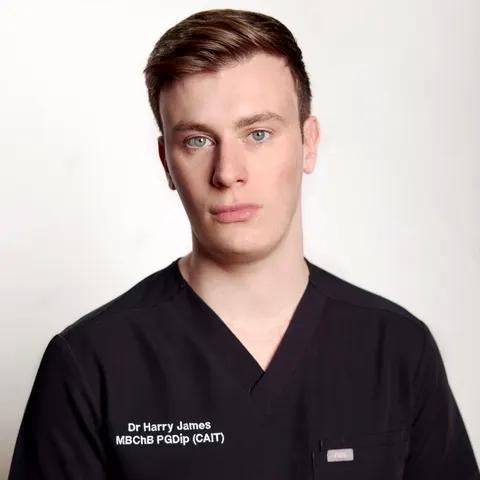
Aesthetic doctor and clinical director of Dr Harry Clinic, Chiswick and Covent Garden. ACE Group World faculty. GMC 7528423. About Dr Harry